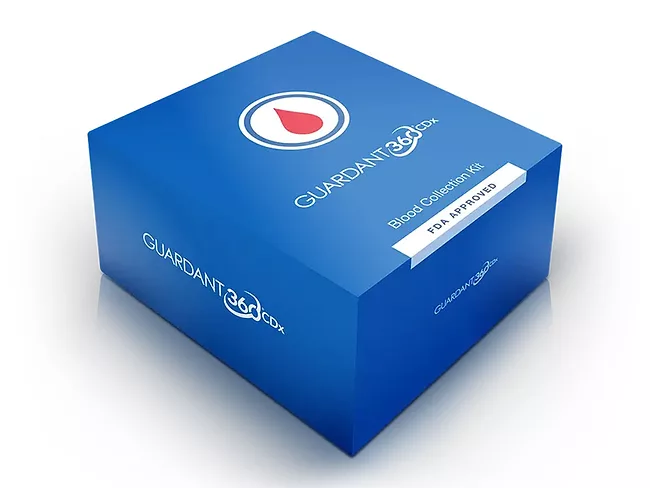
The evolution of cancer diagnostics continues with the FDA’s May 20 approval of Guardant Health Inc.’s Guardant360 Liquid cDx. The new blood-based comprehensive genomic test assesses a 100-times wider genomic footprint than the previously approved Guardant360 cDx to deliver comprehensive tumor profiling results, according to the company. It noted that the seven companion diagnostic indications already approved for the older test will transfer to the new one.
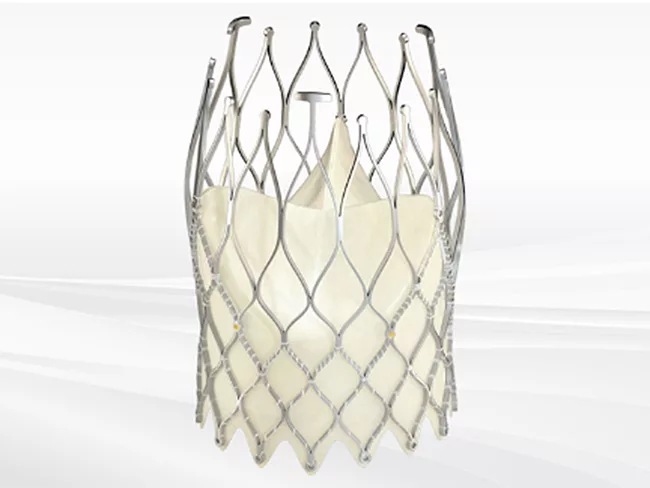
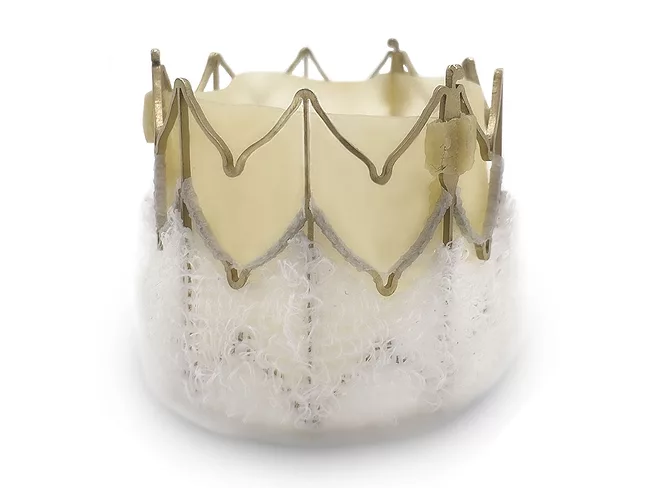
Data from the All Women clinical trial, which looked at the Allegra transcatheter aortic valve replacement (TAVR) system compared to balloon-expandable valves (BEV) in women with aortic stenosis, showed that Allegra delivered lower mean gradients and less prosthesis-patient mismatch than BEVs. The data presented at the EuroPCR conference in Paris was the first randomized head-to-head comparison of different TAVR platforms conducted exclusively in women.
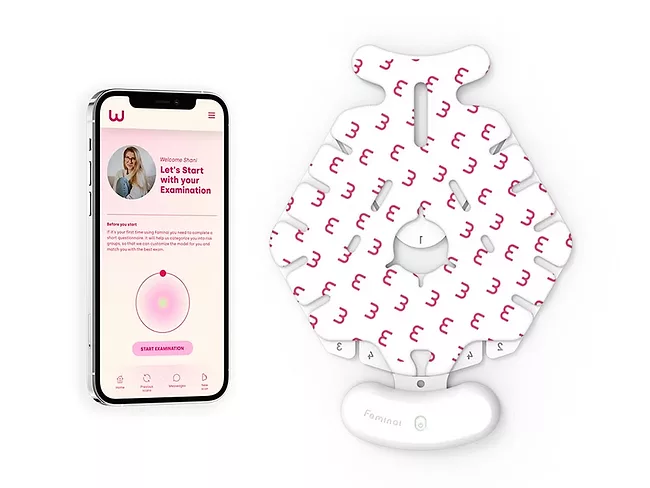
The convergence of robotics, sensors and AI is reshaping how medical devices interact with patients, clinicians and healthcare systems. Across the field, from oncology to cardiology and women’s health, companies are integrating software, connectivity, data analytics and biological information into their products. And although traditional devices, such as screws for orthopedics or valves for cardiology, remain essential, the shift underway is leading to much more personalized medicine, which is more effective and safer, Eran Lerer, managing partner, at Shoni Health Ventures, told BioWorld.
Of all the issues that could be on the table at the talks between U.S. President Donald Trump and China President Xi Jinping, the life sciences sector is the “sweet spot” for collaboration between the two countries in a way that would benefit the world, Sen. Thom Tillis, R-N.C., said in a Brookings Institution webinar in advance of the two-day summit that starts May 14.
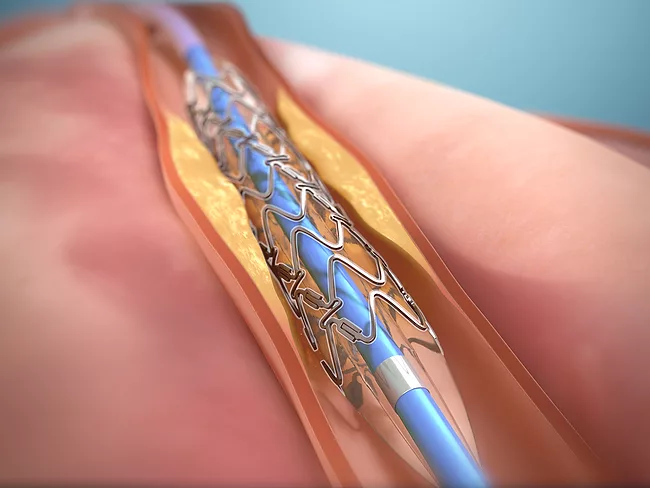
Elixir Medical Corp. reported four-year data from the Bioadaptor randomized controlled trial presented at the EuroPCR conference in Paris, which showed that patients with coronary artery disease treated with its Dynamx coronary drug-eluting bioadaptor system experienced significantly lower event rates compared to those treated with Medtronic plc’s Resolute Onyx drug-eluting stent, including reduction in cardiovascular death.
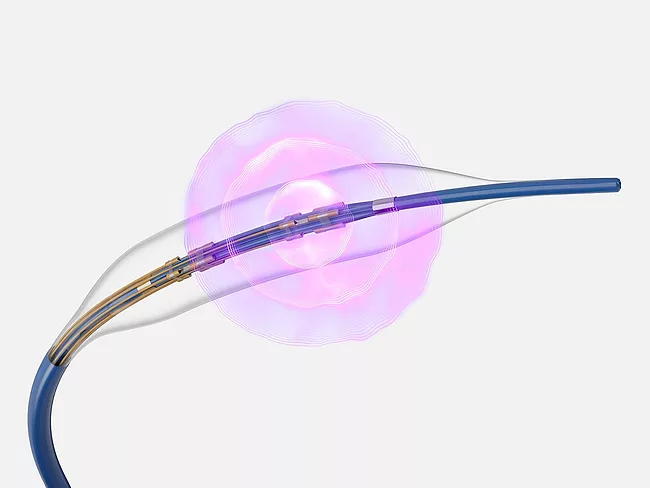
Boston Scientific Corp. reported positive results from the Fracture investigational device exemption trial which evaluated its Seismiq 4CE coronary intravascular lithotripsy (IVL) catheter in patients with severely calcified coronary artery disease. Late-breaking data presented at the EuroPCR conference in Paris showed that the pivotal study met its primary safety and effectiveness endpoints, with high rates of freedom from major adverse cardiac events at 30 days and strong procedural success.
Med-tech M&A value through the first four months of 2026 reached $62.01 billion, the highest total for the period since 2022’s $73.58 billion and a dramatic step up from 2025’s $20.03 billion and 2024’s $5.74 billion over the same period.
Boston Scientific Corp. has invested $1.5 billion for a 34% equity stake in Mirus LLC in a deal under which it is also gaining an exclusive option to acquire the Siegel balloon expandable transcatheter aortic valve replacement (TAVR) system.
On the heels of the ouster of Marty Makary as the U.S. FDA commissioner and the serial leadership vacancies at the CDC and the FDA’s drugs and biologics centers, the government’s adherence to science took another blow May 16 when Sen. Bill Cassidy, R-La., lost the Louisiana primary, ending his bid for re-election.
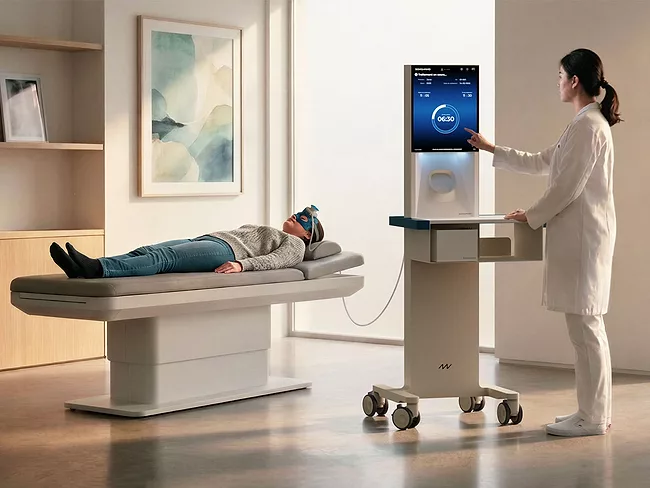
Sonomind SAS raised €20 million (US$23 million) in a series A funding round for its ultrasound-based neuromodulation technology for depression. The funds will be used for clinical trials of the non-invasive device, which uses a custom-made acoustic lens to precisely target deep regions within the brain to bring relief to patients suffering from treatment-resistant depression.
 RSS
RSS