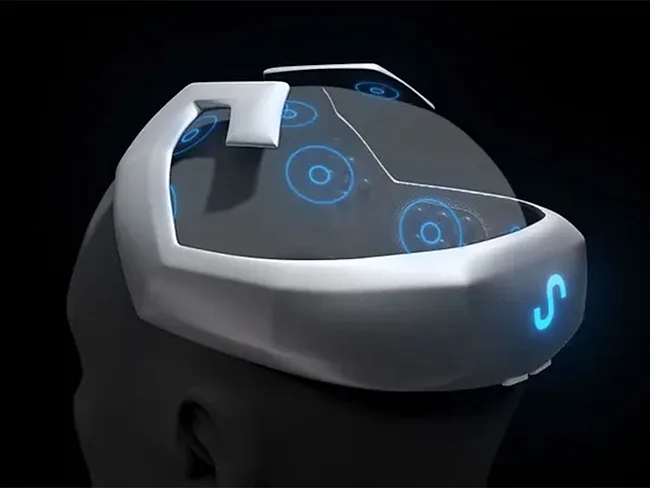
Ready or not, the future has arrived. Novel AI and brain-computer interface (BCI) systems are no longer confined to the realm of science fiction. As an increasingly intertwined human-machine model moves closer to adoption in real-world clinical and military practice, technological advances are sparking concerns over public health, ethics and national security.
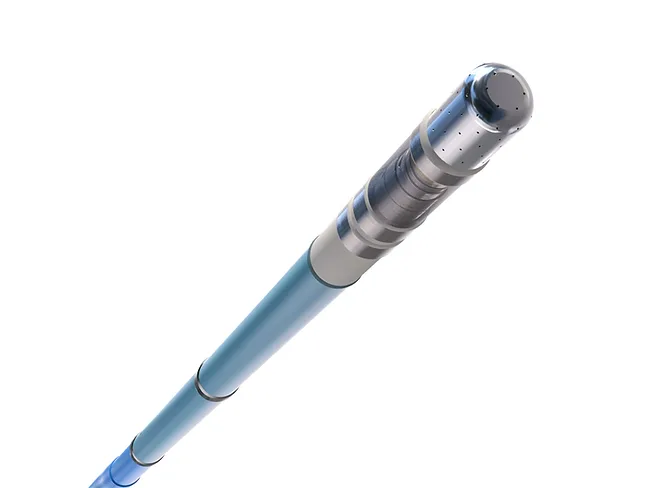
Johnson & Johnson this week launched its dual-energy Thermocool Smarttouch SF platform in Europe bringing another option to physicians looking to enhance their electrophysiology procedures. The system combines radiofrequency (RF) and pulsed field ablation in one device to treat atrial fibrillation, entering what is becoming an increasingly crowded market for cardiac ablation technology.
An estimated $2 billion has been invested in the brain-computer interface (BCI) space in the last two years and the level of funding is expected to continue. Investors are betting that a deeper understanding of the brain will allow BCI systems to address the significant unmet need affecting millions of people with neurological disorders. They are also chasing an opportunity where the market for BCIs could reach $400 billion – in the U.S. alone.
Adhesives innovator H.B. Fuller Co. is offering £2.85 per share in cash to buy Advanced Medical Solutions Group plc, expanding its technologies, commercial footprint and manufacturing capabilities across the globe.
Merck KGaA has agreed to buy Bio-Techne Corp. for an enterprise value of approximately $11.3 billion, in a bid to strengthen its life sciences business. The company is offering $73 per share in cash, a 36% premium to Bio-Techne's one-month volume-weighted average trading price, and a 24% premium to the company’s previous close on June 24. The deal will expand Merck’s position in multi-omics, spatial biology, cell and gene therapy, precision diagnostics and advanced research tools.
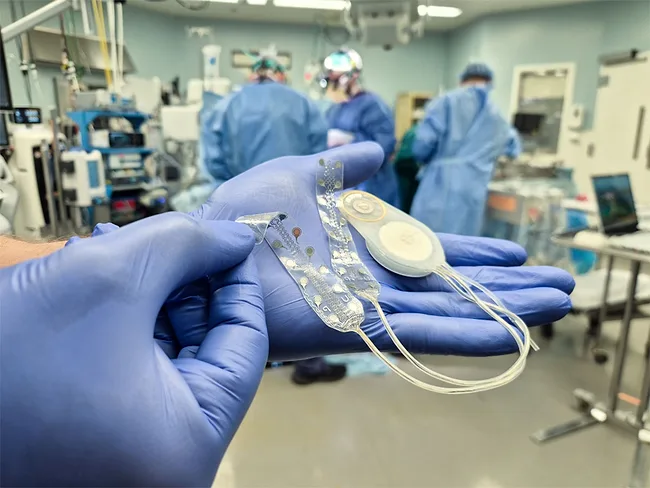
With the pace of neurotechnology development accelerating, a wave of brain-computer interface (BCI) companies is emerging on the heels of the pioneers. In the latest installment of BioWorld’s series on the BCI field, Rotem Kopel, CEO of Ability Neurotech SA, explains that following in the footsteps of the established players has its advantages. “It's not too bad to be a fast follower to a company like Neuralink.” Ability and its peers are either building more complete systems, or exploring different approaches from electrodes with newer materials to nanoparticles, while addressing technical and clinical challenges identified by earlier entrants and targeting different indications.
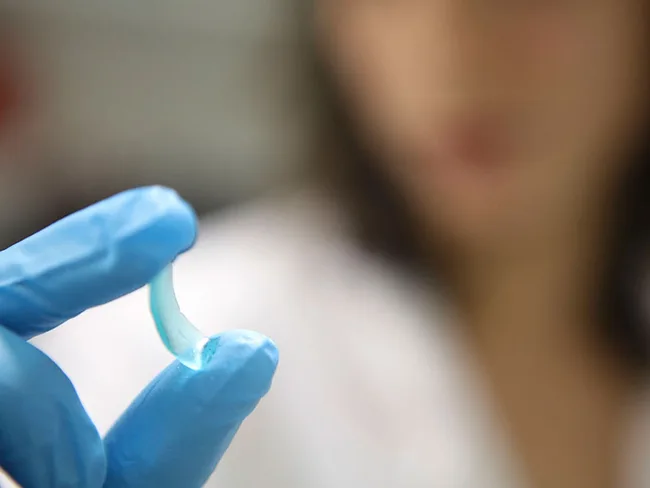
Tissium SA secured €60 million (US$68 million) in a financing package, which includes €30 million in a series D2 round and a €30 million facility from the European Investment Bank. The funds will be used to support the company's commercial and clinical activities, as well as its pipeline development and expansion of its platform technology, which removes the need for sutures and leads to better nerve repair.
The field of BCI is continually evolving; as such, companies are increasingly highlighting the potential of their technologies to transform care. For advanced players, with fully developed BCI systems, the sector is approaching an inflection point as the technology transitions from early feasibility studies into pivotal trials. The focus now for many is on generating the long-term safety, efficacy and real-world usability data needed to support regulatory approval and broader clinical adoption.
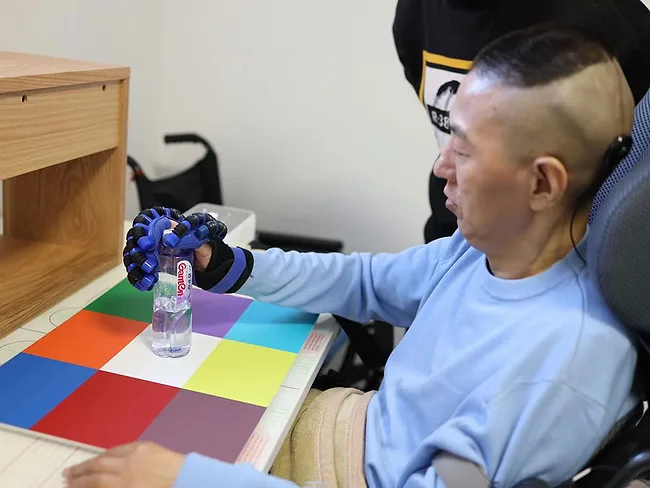
Decades of research are helping unravel the “black box” of the brain. The second article in BioWorld’s series on the Brain-Computer Interface (BCI) field looks at how simultaneous breakthroughs in AI technology are pushing the BCI field from a theoretical concept to a potential real-world, clinical option for individuals, particularly in China where the National Medical Products Administration greenlighted the world’s first invasive BCI system – Neuracle Medical Technology Co. Ltd.’s Neural Electronic Opportunity – for clinical use in March 2026.
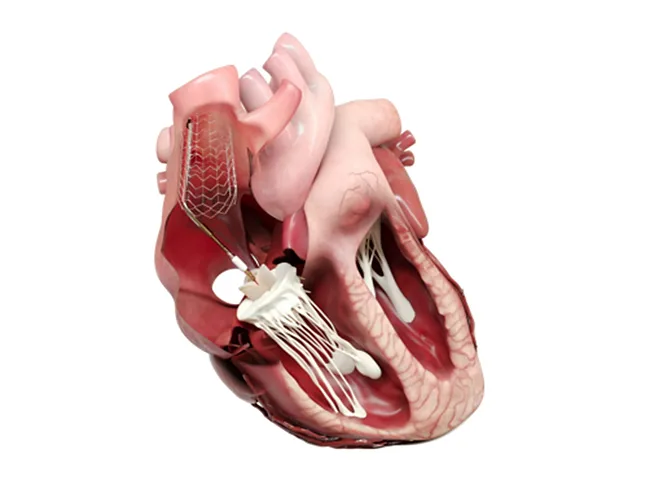
Croívalve Ltd. secured a further $20 million in series B financing for its Duo Adapt system, a transcatheter device that treats tricuspid regurgitation. The company also received $7 million from the European Innovation Council and the Disruptive Technologies Innovation Fund in grant financing. Croívalve will use the funds to expand its clinical study, which is evaluating the safety and performance of the Duo Adapt system in patients with severe or greater symptomatic tricuspid regurgitation.
 RSS
RSS