Med-tech happenings, including deals and partnerships, grants, preclinical data and other news in brief: Attralus, Bayer, Boston Sci, Caris Life, Distalmotion, Everlywell, Haemonetics, Hydrix, Medicines360, Neuraxis, Orchestra Biomed, Syncardia, Valencia Technologies, Vivasure.
Regulatory snapshots, including global submissions and approvals, clinical trial approvals and other regulatory decisions and designations: Medtronic, Neurolief, Oxford Nanopore.
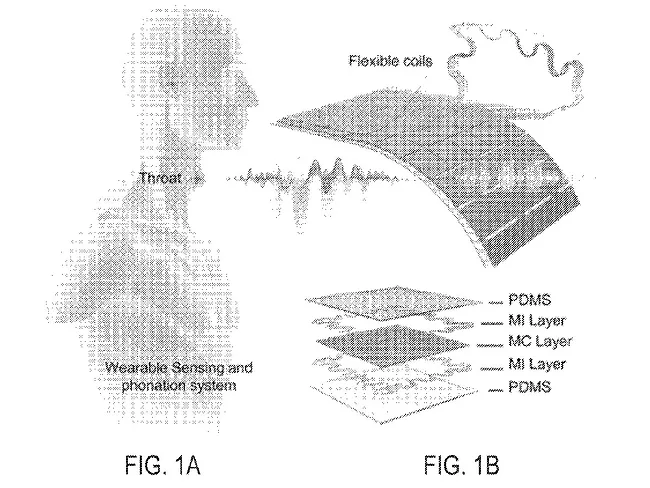
Jun Chen, a tenured associate professor of bioengineering at the Samueli School of Engineering at the University of California Los Angeles (UCLA), leads a team developing a speech-sensing wearable patch. The technology translates the intricate muscle movements of the larynx into discernible speech.
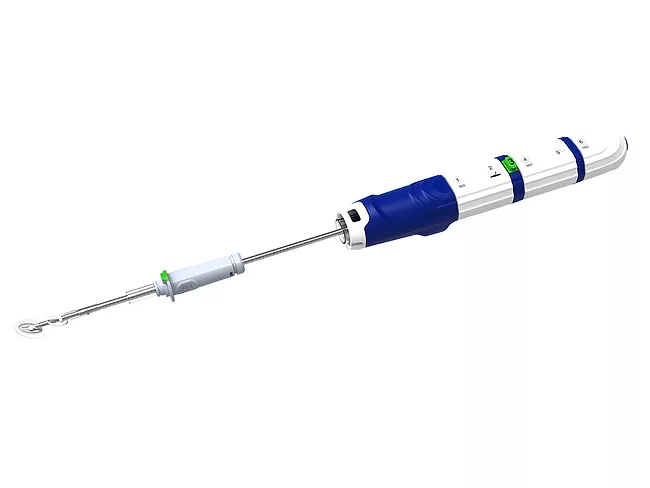
Haemonetics Corp. acquired Vivasure Medical Ltd. for €100 million (US$116 million) cash plus up to an additional €85 million (US$99 million) in contingent payments based on sales and other milestones. The deal continues nearly four years of increasing investment in Vivasure by Haemonetics in support of its latest version of the Perqseal vessel closure device.
Investors poured a further $13 million into Vicentra BV for Kaleido, its insulin patch pump system, taking the total raised in the company’s series D financing round to $98 million. The funds come amid significant changes across diabetes technology, particularly the acceleration of patch pumps. Kaleido is one of the smallest, lightest, and most precise insulin patch pumps available.
Generative AI has largely escaped the U.S. FDA’s regulatory purview up to now, but OpenAI seems poised to create a new source of regulatory angst for the agency. The company unveiled its ChatGPT Health Jan. 7, a large language model that when used professionally could land the company in the FDA’s regulatory crosshairs.
Beginning Jan. 1, 2026, China will apply provisional import tariff rates lower than the most-favored-nation rates on 935 items, the State Council announced. The move aims to boost collaboration between domestic and international sectors, and to leverage resources of both to expand the supply of high-quality goods.
Med-tech financing activity rebounded sharply in 2025, with total reported capital raised climbing to $39.55 billion, nearly doubling from $25.35 billion in 2024 and approaching pre-pandemic norms. The increase was driven largely by a surge in IPO activity, which reached $13.01 billion. In December, financing value reached $8.23 billion across 36 transactions, up from $4.73 billion in November.

 RSS
RSS