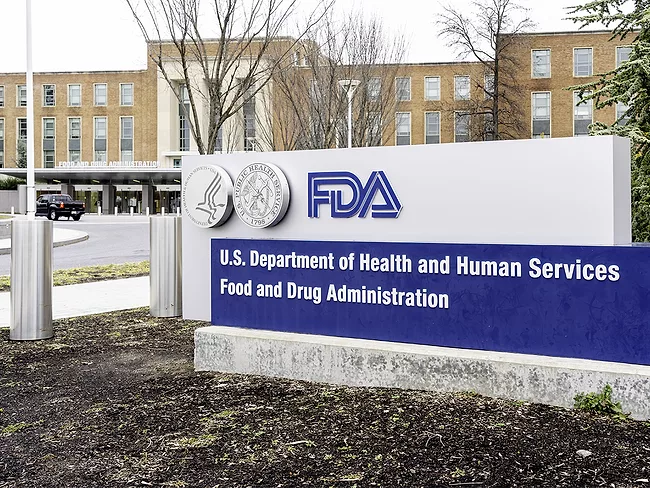
2024 was a critical year for the FDA’s Center for Devices and Radiological Health and included a smooth transition in leadership, but it was not without controversy. The agency triggered not one but two lawsuits over the final rule for regulation of lab-developed tests, a problem that promises to distract the agency throughout 2025 and potentially beyond.
The U.S. FDA’s draft guidance for reporting of deviations from clinical study protocols lends some insight as to the definition of a deviation, but the agency highlights some concerns about related compliance activities.
Among the most profound results presented at the 2024 European Society for Medical Oncology Congress were the 10-year data from the Checkmate-067 and Keynote-006 trials of Opdivo and Keytruda as first-line agents in advanced or metastatic melanoma in which 10-year overall survival topped 40%. The success of checkpoint blockade, however, has not extended to all tumor types, but in 2024, molecular studies have led to advances in gene therapies and a multitude of approaches that have opened the door to hope.
Artificial intelligence (AI) is no novelty for medical technology, but 2024 saw an interesting series of events in this area from across the globe. While some of these developments portend immediate regulatory clarity, some are harbingers of continued regulatory flux in 2025 and beyond.
The U.S. FDA has issued a second report in connection with device software functions, which includes surveillance data for clinical decision support (CDS) tools. While the report lists three events that qualify as adverse events, the FDA offered no information that would provide an adverse event rate for CDS products.
 RSS
RSS