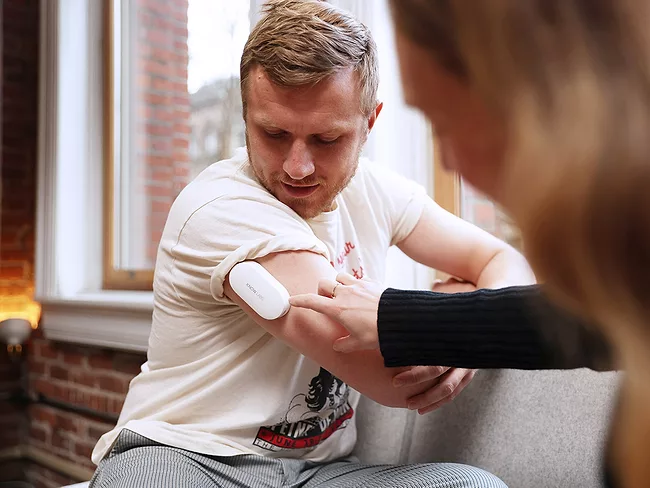
Know Labs Inc.’s radiofrequency sensor accurately classified blood glucose levels more than 93% of the time, a study published in Diabetes Technology & Therapeutics found. That’s good news for people with diabetes, who may be able to use the non-invasive technology to avoid not just the needle sticks that used to be the hallmark of diabetes management, but even the microneedles used in current continuous glucose systems.
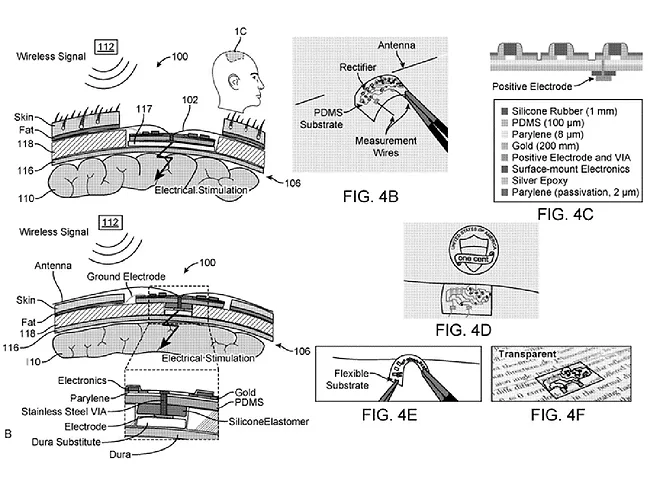
Researchers from Arizona State University and Mayo Clinic have filed for protection of wireless, battery-free brain implants which may be used in the monitoring, stimulation, and treatment of epilepsy, tumors, neurodegenerative disorders, neuroinflammatory conditions and trauma.
Regulatory snapshots, including global submissions and approvals, clinical trial approvals and other regulatory decisions and designations: Immersivetouch, Inspira .
In the recently cast shadow of the U.S. Supreme Court’s Loper Bright decision that unraveled Chevron deference for federal agencies, the FTC’s broad rule banning noncompete employment clauses is on shaky ground. The first tremor hit July 3 when the U.S. District Court for the Northern District of Texas temporarily enjoined the FTC Noncompete Rule that is scheduled to go into effect Sept. 4 on the grounds that the agency overstepped its authority.
Illumina Inc. wasted no time in returning to the M&A front, closing the acquisition of Fluent Biosciences Inc. on July 9 with cash on hand, just a fortnight after freeing itself of Grail Inc. Fluent’s single-cell analysis technology expands Illumina’s presence in the life sciences, possibly marking a turn away from the diagnostics focus that led to the Grail debacle. The acquisition price was not disclosed.
The draft version of the U.S. Medicare hospital outpatient rule for 2025 carries more than a dozen applications for a new technology pass-through payment next year, but Boston Scientific Corp.’s Agent balloon for treatment of in-stent restenosis might not be eligible for NTPT payment because of a debate over whether the device can be assigned to an existing Healthcare Common Procedure Coding System code.
 RSS
RSS