TORONTO – What do ER doctors want most for their patients? Never to return to the ER, said Giovanni Ferrara, a professor at Edmonton’s University of Alberta Hospital's Division of Pulmonary Medicine. Ferrara is heading a feasibility project to see if a wearable device developed by Rochester, N.Y.-based Heath Care Originals Inc. can predict with scientific certainty when the condition of a patient with lung disease is worsening and requires another visit to the hospital.
PARIS – The French government reported setting up the “Artificial Intelligence and Cancer” association, a public-private partnership that brings together the French National Cancer Institute (INCA), the Health Data Hub and the Health Industry Alliance for Research and Innovation (ARIIS), along with eight commercial firms. The eight commercial firms, whose identities have not yet been released, are drawn from a large consortium of pharmaceutical and information technology firms and health care insurers, that has been around since 2019.
Med-tech happenings, including deals and partnerships, grants, preclinical data and other news in brief: Abbott, Alere, Beckman Coulter, Eyenuk, Gamidor Diagnostics, Pixcell Medical, Quidel, Speedx, Sqi Diagnostics.
Clinical updates, including trial initiations, enrollment status and data readouts and publications: Caredx, Johnson & Johnson Vision, Medtronic, Neurometrix.
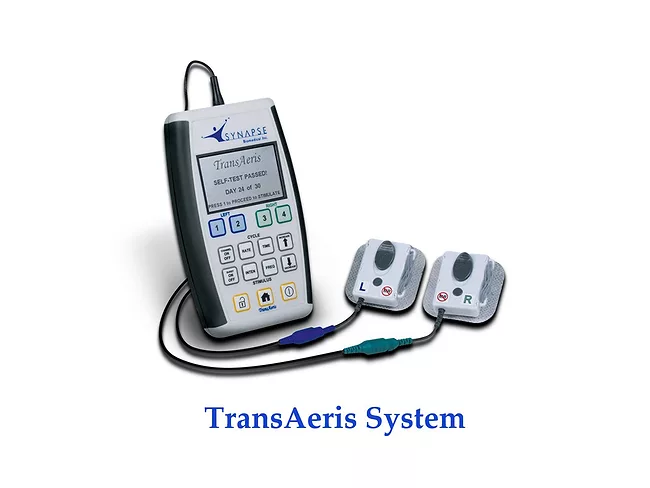
Synapse Biomedical Inc. has won breakthrough device designation from the FDA for its Transaeris system, a diaphragm pacing system (DPS) for use in weaning patients off mechanical ventilation. The minimally invasive device has been in use during the COVID-19 pandemic under an emergency use authorization to prevent ventilator-induced diaphragm dysfunction – a condition that occurs following mechanical ventilation, which leaves the diaphragm weak from disuse.
PARIS – Royal Philips NV is working with the Spanish National Center for Cardiovascular Research (CNIC) on an ultrafast cardiac magnetic resonance imaging (MRI) protocol that could reduce scanning times to just a few minutes.
PERTH, Australia – Australia’s Therapeutic Goods Administration (TGA) is proposing refinements to the regulation of devices that consist of substances introduced into the human body via a body orifice or applied to the skin.
 RSS
RSS