LONDON – Memed Diagnostics Ltd. has adapted the point-of-care test it developed to distinguish bacterial from viral infections to enable rapid assessment of the severity of COVID-19 infections in patients being admitted to the hospital. The triaging tool, Memed COVID-19 Severity, has received a CE mark in Europe and is ready for commercial rollout. After securing the CE mark, Memed is now pursuing emergency use authorization for the test from FDA.
PERTH, Australia – Australia was one of the first nations to slam its borders shut during the pandemic, praising its efforts in containing COVID-19 infections.
Regulatory snapshots, including global submissions and approvals, clinical trial approvals and other regulatory decisions and designations: Cytrellis, Lifesignals, Luxsonic.
Clinical updates, including trial initiations, enrollment status and data readouts and publications: Aesculap Implant Systems, Arquer Diagnostics, Posit Science, Pulmonx.
Med-tech firms raising money in public or private financings, including: Acutus Medical, Elos Medtech, EM Intressenter, Microport, Signifier Medical Technologies.
Researchers from Finland and Italy published a biomarker-based algorithm for the diagnosis of dementia in the journal Diagnostics. The algorithm enables clinicians to distinguish between various neurodegenerative diseases with shared clinical presentations and select appropriate treatment. The algorithm relies primarily on blood biomarker measurements to diagnose the type of dementia much earlier than is possible with the diagnostic tools in use today.
Medtronic plc launched the newest product in its coronary portfolio, the Prevail drug-coated balloon (DCB) catheter, in Europe following CE mark approval. The device is intended for use during minimally invasive procedures to open narrowed or clogged arteries in patients with coronary artery disease.
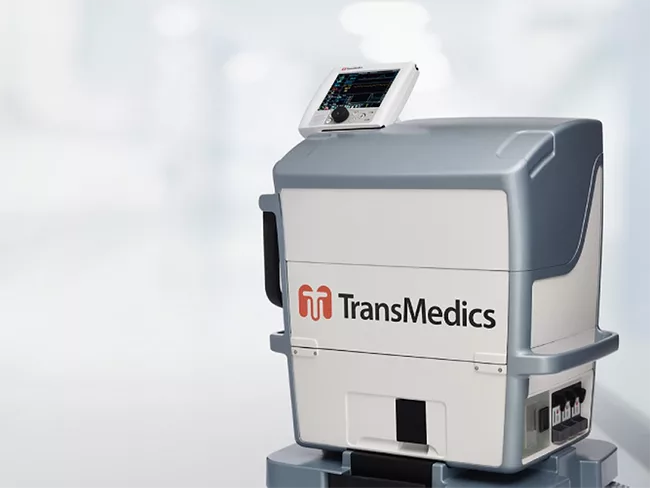
The FDA advisory hearing for the Transmedics Organ Care System (OCS) resulted in a unanimous vote in favor of the OCS’s safety and efficacy numbers, although there will be a considerable post-approval study requirement. The company was able to overcome a number of problems with the pivotal study that might otherwise have tanked the application, such as the lack of blinding of transplant surgeons, which the FDA said could have biased the determination of whether a liver was acceptable for transplant.
 RSS
RSS