The latest global regulatory news, changes and updates affecting medical devices and technologies, including: Nuclear Regulatory Commission issues advisory letter to INIS; HHS authorizes pharmacy interns to test for COVID-19.
Keeping you up to date on recent developments in neurology, including: MIT develops wearable sensor for ALS patients; Cord blood DNA can hold clues for early ASD diagnosis and intervention; ENIGMA consortium offers hope for improving treatment of brain injuries.
Drug and medical device manufacturers have several compliance matters to deal with under the False Claims Act (FCA), only one of which is the Anti-Kickback Statute (AKS). Nonetheless, the AKS might be a good area for members of industry to emphasize, given that it accounted for the vast majority of federal enforcement actions in fiscal year (FY) 2019, according to a new report by Gibson, Dunn & Crutcher LLP.
Patient engagement is increasingly the order of the day in the device development process as the U.S. FDA has made clear, a consideration that drove the Oct. 22 FDA advisory hearing. A patient representative said patients want to take part as early as possible in the development process for software as a medical device (SaMD), and Pat Baird, director of global software standards for Royal Pillips NV, said industry is very much open to ideas about bringing the patient perspective on board earlier in that process.
Edwards Lifesciences Corp. reported good news this week, with its third-quarter results exceeding expectations. Sales came in at $1.1 billion, an increase of 4%, and CEO Mike Mussallem highlighted the success of transcatheter aortic valve replacement (TAVR), with the Sapien valve platform performing well. Mussallem noted that TAVR sales were $745 million, up 6%, with Europe showing strength.
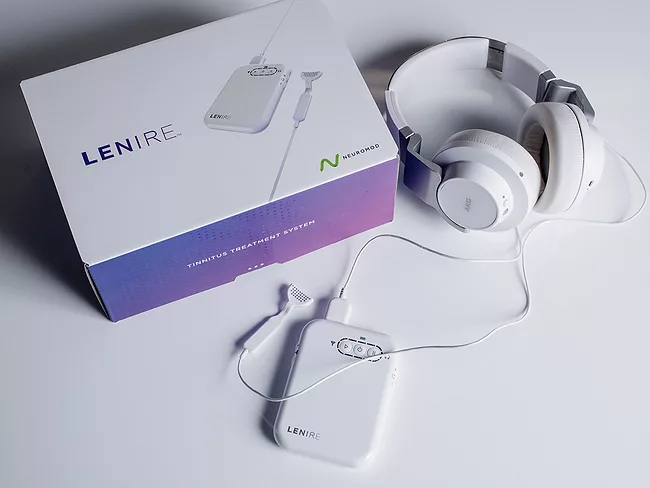
Neuromod Devices Ltd., which is developing an at-home, self-managed treatment for tinnitus, closed a €10.5 million (US$12.4 million) series B financing led by majority investor Fountain Healthcare Partners. The funds are earmarked for expanding European commercialization of the Lenire tinnitus treatment device, to scale up manufacturing, progress U.S. FDA regulatory approval and pursue opportunities with the U.S. Department of Veterans Affairs (VA).

 RSS
RSS