It’s one thing for the scientific community to propose a fundamental change to the way obesity is defined and diagnosed. But it’s another for that proposal to be adopted by regulators, especially when the current definition that relies primarily on the body mass index is entrenched in guidance and obesity drug development and approval.
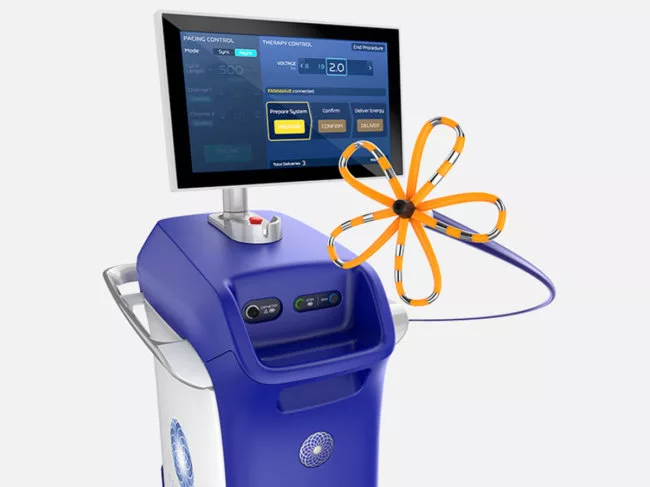
Boston Scientific Corp. reported positive data for two key atrial fibrillation therapies at AF Symposium 2025 on January 17. In late-breaking data presentations, the ADVANTAGE AF trial for the Farapulse PFA system met its primary endpoints, showing a 2.3% safety event rate and 63.5% effectiveness rate in treating persistent atrial fibrillation (AF) patients, with an 85.3% symptomatic AF recurrence-free rate. Additionally, a sub-analysis of the OPTION trial demonstrated that the Watchman FLX device significantly reduced bleeding outcomes compared to oral anticoagulants.
The U.K.’s Buckinghamshire NHS Trust has partnered medical technology design experts from Team Consulting Ltd. to create a tool that can transform burn care treatment. The concept training tool incorporates mixed reality which maps ‘custom digital burns’ onto a mannequin to enable surgeons to explore a diverse range of burn types and patient profiles and deliver better outcomes.
Researchers from Cornell University are seeking protection for their invention of a low-cost artificial intelligence (AI)-based platform that analyses low resolution electrocardiogram data and/or photoplethysmography data to accurately and objectively assess pain.
Med-tech happenings, including deals and partnerships, grants, preclinical data and other news in brief: A&D Medical, Autonomix Medical, Impilo, Inspira Technologies, Namsa, Patchrx, Sandboxaq, Wuxi Apptec, Zriha Medical.

 RSS
RSS