Med-tech happenings, including deals and partnerships, grants, preclinical data and other news in brief: Alamar, Buttium, Firefly Neuroscience, GE Healthcare, Guardant, Helix, Henry Schein, Intech, Kryptos Biotechnologies, Lady Technologies, Microbix, Microsoft, My Own Med, Nextbiomedical, Nextstim, Nvidia, Pison, Resolve Surgical, Respondhealth, Sapient, Siemens Healthineers, Sinaptica, Smith & Nephew, Stmicroelectronics, Synchron, Tyber Medical, Vaxxas, Virtuoso, Visby, Viz.ai.
Regulatory snapshots, including global submissions and approvals, clinical trial approvals and other regulatory decisions and designations: Biobot Surgical, Icotec.
The Medicare coverage story of the Cardiomems device has a Homeric air about it, spanning nearly a decade starting with an adverse local coverage determination in 2016. Abbott Park, Ill.-based Abbott Laboratories finally brought the story full circle with a successful national coverage determination that gives the device nationwide coverage for Medicare patients without the need to wrangle with Medicare administrative contractors.
Med-tech firms have gnashed their teeth for decades over the use of the term “recall,” given that some recalls are mere corrections to product labels while others entail a full product withdrawal. The U.S. FDA recently provided a glossary of terms under the heading of recall – a move that comes short of industry’s preference that the term be jettisoned altogether.
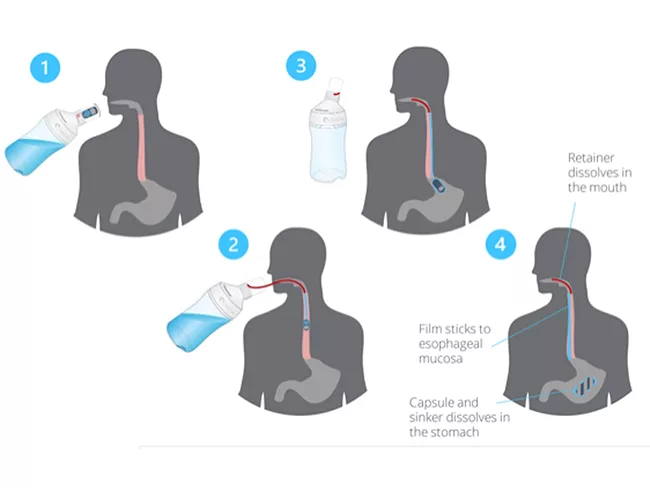
Esocap AG aims to transform the treatment of eosinophilic esophagitis with its drug delivery technology, ESO-101, designed to increase mucosal contact time and drug deposition in the esophagus. Data from the recent ACESO study showed that ESO-101 was safe and well tolerated and improved both histologic and endoscopic outcomes in patients with active eosinophilic esophagitis.
In a move that the company said demonstrates its commitment to investing in higher growth areas, Zimmer Biomet Holdings Inc. reported its plans to buy foot and ankle orthopedic specialist Paragon 28 Inc. for an upfront payment of $13 a share in cash, corresponding to an equity value of approximately $1.1 billion and an enterprise value of approximately $1.2 billion.
The sedate uptake of pulsed field ablation (PFA) in Europe failed to presage the enthusiasm that drove the technology’s extraordinarily rapid adoption in the U.S. in 2024. Used to treat atrial fibrillation, PFA received its first U.S. FDA approval in Dec. 2023. At the time, Clarivate estimated that PFA had 7% of the global cardiac ablation market. By year-end 2024, it had 20% and Boston Scientific Corp. projected that PFA would represent up to half of the market by the close of 2025.
As 2025 makes its debut, one of the topics gaining momentum in health care is the diagnosis and potential treatment of neurodegenerative diseases, a scourge that threatens to overwhelm society and drain treatment budgets around the world. One company looking to find solutions to the oncoming neurodegenerative disease tsunami is privately held Sunbird Bio Inc., which is developing blood-based diagnostic platform for neurological diseases like Alzheimer’s and Parkinson’s disease.
Qaelon Medical SAS partnered with Caresyntax GmbH, aiming to build the first real-world evidence platform to tackle problems associated with surgical leaks. The companies hope their solution will provide real-time information to surgeons, improving outcomes and making surgery safer for patients.

 RSS
RSS