Generative AI has largely escaped the U.S. FDA’s regulatory purview up to now, but OpenAI seems poised to create a new source of regulatory angst for the agency. The company unveiled its ChatGPT Health Jan. 7, a large language model that when used professionally could land the company in the FDA’s regulatory crosshairs.
Beginning Jan. 1, 2026, China will apply provisional import tariff rates lower than the most-favored-nation rates on 935 items, the State Council announced. The move aims to boost collaboration between domestic and international sectors, and to leverage resources of both to expand the supply of high-quality goods.
Med-tech financing activity rebounded sharply in 2025, with total reported capital raised climbing to $39.55 billion, nearly doubling from $25.35 billion in 2024 and approaching pre-pandemic norms. The increase was driven largely by a surge in IPO activity, which reached $13.01 billion. In December, financing value reached $8.23 billion across 36 transactions, up from $4.73 billion in November.
New hires and promotions in the med-tech industry, including: Delfi Diagnostics, Enhanced Genomics, Illumina, Merit Medical Systems, Pulse Biosciences.
Med-tech happenings, including deals and partnerships, grants, preclinical data and other news in brief: Accustem, Daisy Genomics, Elucid, Heartflow, Illumina, Koelis, Labcorp, New Day Diagnostics, Precision Medicine Asia, Quest, Sanara, Sophia, Surf Therapeutics, Visby, Vizient, Welldoc.
Regulatory snapshots, including global submissions and approvals, clinical trial approvals and other regulatory decisions and designations: Siemens Healthineers.
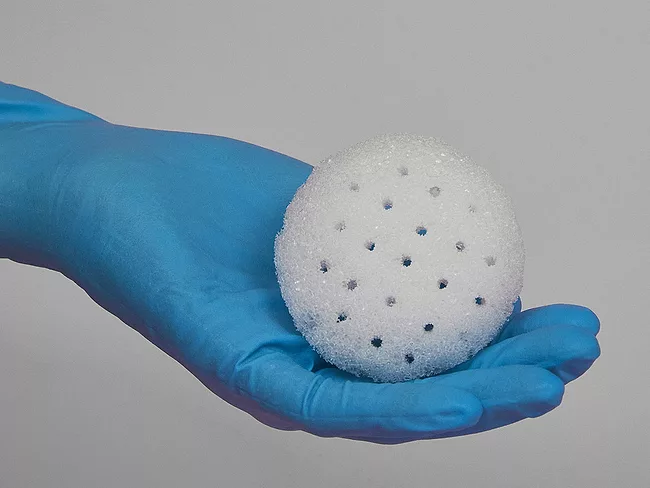
Tensive Srl reported positive data from its pivotal trial confirming the safety profile of Regenera, its bioabsorbable breast implant, and its potential to transform breast reconstruction. The pivotal trial, evaluating the Regenera in patients undergoing lumpectomy, found it to be safe, biocompatible and feasible for volume replacement in breast-conserving surgery.
 RSS
RSS