The U.S. Medicare program’s final rule for fiscal year 2025 inpatient care retains several controversial proposals, but some device makers fared well in their new technology add-on payment (NTAP) applications, including Dublin-based Medtronic plc, which won NTAP payments for two devices.
The med-tech industry has seen a significant boost in fundraising, amassing $16.13 billion in the first seven months of this year, a nearly 38% increase from the $11.73 billion raised during the same period last year.
The U.S. FDA’s device center is working to refine its regulation of artificial intelligence algorithms, but the agency is recommending that industry be more forward-thinking in a blog that urges device makers to fully adopt a life cycle management mindset for these systems.
Immunovia AB significantly increased the accuracy of its test for the early detection of pancreatic cancer, achieving an 85% sensitivity and a specificity of 98%.
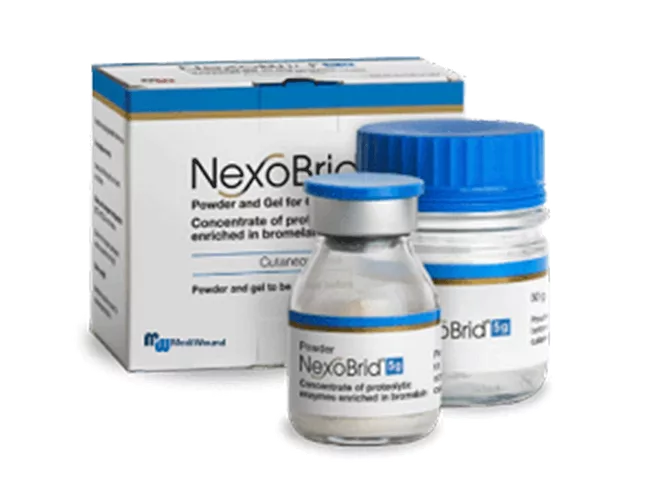
Mediwound Ltd. reported that the Nexobrid expanded treatment access protocol achieved complete debridement in 94.9% of adults and all children treated and removed all eschar within 24 hours. The results put more power behind a partnership with Vericel Corp. that introduced Nexobrid, an enzymatic debridement agent for severe thermal burns, into the U.S. in the fourth quarter of 2023 and increases the likelihood of an indication expansion into pediatrics.
The recent €15 million (US$16.3 million) deal that Affluent Medical SAS signed with Edwards Lifesciences Inc. for its heart products does not take away from its ambitions of creating a European med-tech company, Sébastien Ladet, CEO of Affluent Medical, told BioWorld, but was part of the company’s broader strategy to expand the markets for its products.
Neurotech startup Synchron Inc. connected its brain implant to Apple’s Vision Pro headset, enabling patients with limited physical mobility to control the device using only their thoughts. Synchron is building an endovascular brain-computer interface designed to help patients with paralysis operate technology like smartphones and computers with their minds.
The U.K. National Institute for Health and Care Excellence endorsed the use of testing for the CYP2C19 genotype for management of clopidogrel usage after ischemic stroke and heart attack, but the agency is specific about the use of tests by Genedrive plc and Genomadix Inc. in point-of-care settings as alternatives to lab testing.

 RSS
RSS