The granting of emergency use authorization by the U.S. FDA to Roche AG for its four-in-one molecular test for SARS-CoV-2, Influenza A/B viruses and respiratory syncytial virus will allow the company to quickly bring the test to near-patient care environments ahead of the flu season, to address a real need in the marketplace, Ian Parfrement, head of the point of care customer area, at Roche Diagnostics, told BioWorld.
Sherlock Biosciences Inc. is on the case of the missing tests – the lack of diagnostic testing for sexually transmitted infections, that is. Sherlock’s over-the-counter molecular, disposable tests combine CRISPR and synthetic biology chemistries to provide results in 30 minutes in the privacy of the user’s home.
The U.S. FDA is keen to develop tools for oversight of artificial intelligence (AI) as demonstrated by a batch of research projects designed to inform the review of medical applications of AI. The agency’s concern is that there is a dearth of “robust evaluation methods” for evaluating AI products, thus the need for tools that will allow the agency to clear or approve such products with an assurance that these algorithms are safe and effective for their intended use.
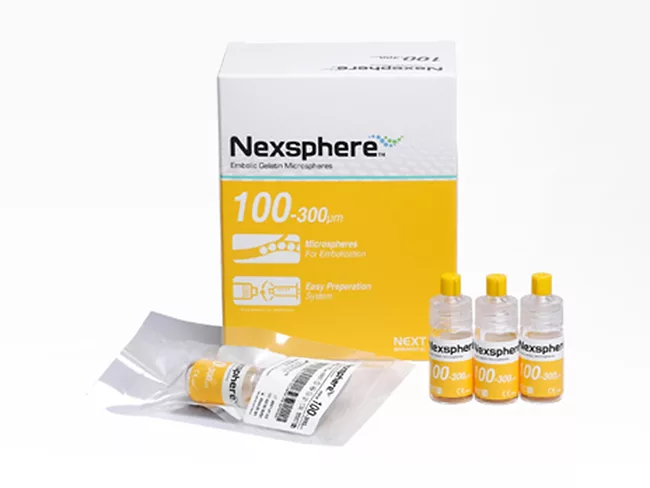
Incheon, South Korea-based Next Biomedical plans to offer one million shares on the Korea Exchange at a price band of ₩24,000 (US$17.42) to ₩29,000 per share. The IPO is scheduled for August 2024 and expected to raise ₩24 billion to ₩29 billion.
The U.S. National Institutes of Health has jumped into the artificial intelligence pool with a prognostic that predicts a patient’s response to immune checkpoint inhibitors as cancer therapies.
Med-tech happenings, including deals and partnerships, grants, preclinical data and other news in brief: Neusoft, Osteotec, Positron, Revelai, Trimmed, Zimmer Biomet.
Regulatory snapshots, including global submissions and approvals, clinical trial approvals and other regulatory decisions and designations: Accuray, Avicenna.ai, Getinge.
Dublin-based Medtronic plc. has issued an urgent device correction letter to customers using the company’s Stealthstation robotic surgical system due to a software error that may provide inaccurate information about the location of the system’s surgical tip in the cranial anatomy.
 RSS
RSS