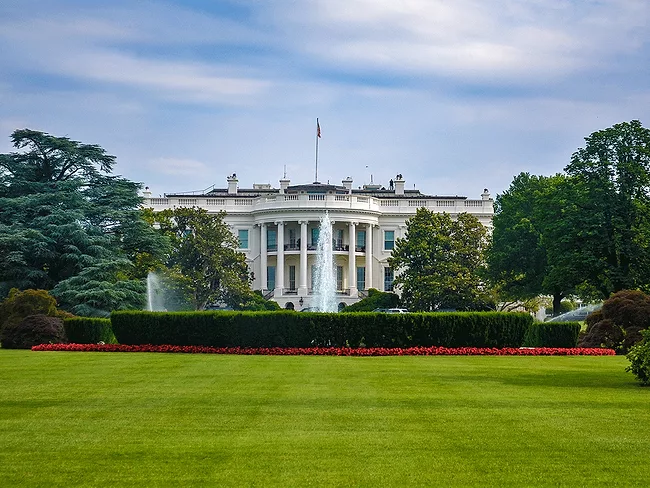
With an eye on increasing U.S. competitiveness and expanding the opportunities of technology hubs beyond those already established on the country’s two coasts, the Biden administration designated 31 communities, out of more than 370 applicants, as Regional Innovation and Technology Hubs.
The U.S. FDA is once again revising its guidance on how drug and device makers can share scientific reprints and reference texts with health care providers regarding off-label uses of their approved or cleared products.
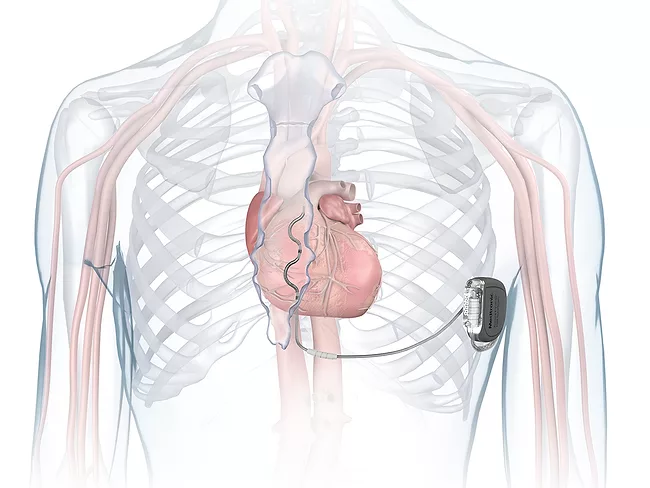
Medtronic plc got a jump on its cardiology competitors with big news ahead of the Transcatheter Cardiovascular Therapeutics (TCT) conference that starts on Oct 24 in San Francisco, with U.S. FDA approval of its Aurora extravascular implantable cardioverter-defibrillator (EV-ICD). The system delivers defibrillation and heart pacing without placing wires in the heart or vasculature. That puts it in direct competition with Boston Scientific Corp.’s Emblem S-ICD, currently the only player in the market.
Med-tech happenings, including deals and partnerships, grants, preclinical data and other news in brief: Elekta, Icad, Invo Bioscience, Naya Biosciences.
Regulatory snapshots, including global submissions and approvals, clinical trial approvals and other regulatory decisions and designations: Insulet, Huizhou Jinghao, Ludica Medical, Medtronic, Vuno.
Regulatory snapshots, including global submissions and approvals, clinical trial approvals and other regulatory decisions and designations: Pleural Dynamics.
 RSS
RSS