Developers of combination products face an unusual dilemma in their interactions with the U.S. FDA, given that the data for the constituent products reside in multiple product centers. Some of the related clunkiness may soon be a thing of the past thanks to a new four-year proposal to overhaul the FDA’s information technology infrastructure, which among other things will emphasize a more seamless sharing of data across centers, precisely the kind of initiative that would facilitate reviews of combination products.
Regulatory snapshots, including global submissions and approvals, clinical trial approvals and other regulatory decisions and designations: Airamed, Inbrain Neuroelectronics, Natural Cycles, Spectrawave, T2 Biosystems, Tasso.
Proteome analysis with artificial intelligence has made it possible to create a catalog of all possible missense mutations in the human genome to predict diseases.
Apple Inc., of Cupertino, Calif., has prevailed over Masimo Corp., in a ruling at the U.S. Court of Appeals for the Federal Circuit, an outcome that invalidated several Masimo patents for physiological monitoring. However, the two companies are not finished with each other yet as the International Trade Commission has yet to rule on a similar case that could foreclose importation of Apple devices on grounds of patent infringement.
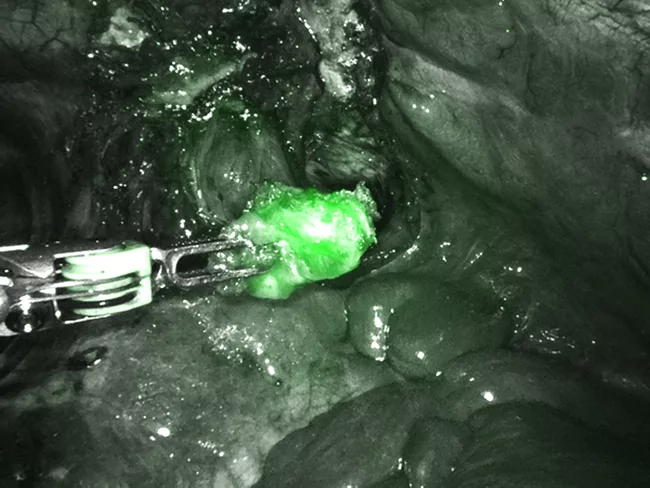
A fluorescent imaging agent developed by Vergent Bioscience Inc. enables visualization of elusive and previously undetected tumors, a phase II study presented last week at the 2023 World Conference on Lung Cancer (WCL23) demonstrated. The ability of the tumor-targeting agent, Vgt-309, to illuminate tumors could help surgeons more precisely locate tumors, better ensure clean margins and guide care decisions. In 10% of cases, the agent revealed unknown tumors in lymph nodes, which could affect which nodes are biopsied as well as when or whether a systemic therapy is recommended.
Stimvia s.r.o. (previously Tesla Medical s.r.o.) is in the process of securing $10 million in investment in a series A financing round that will allow the company to conduct a pivotal clinical study addressing overactive bladder, using Uris, its neuromodulation system, CEO Lukas Doskocil told BioWorld.

 RSS
RSS