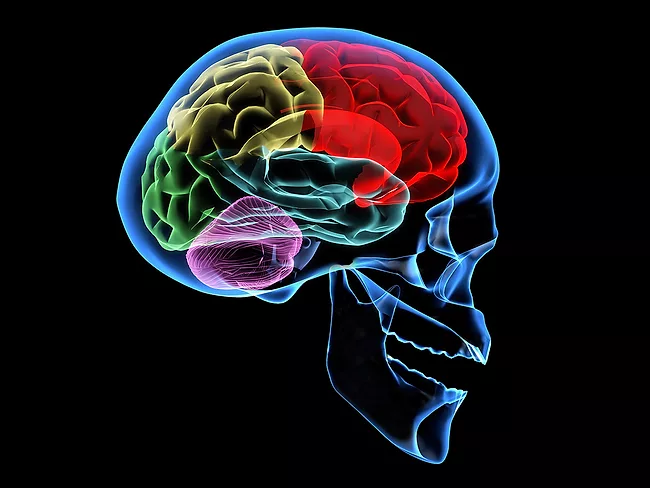
The composition of the skull bone is unique and plays a direct role in influencing brain health through small channels in the bone and immune cell expression pathways, reported researchers based at the Helmholtz Center and Ludwig-Maximilians University Munich.
Med-tech happenings, including deals and partnerships, grants, preclinical data and other news in brief: Ainos, Bluejay Diagnostics, Imperative Care, Inabata, Kandu Health, Nisshinbo Micro, Surgalign, Telos Health, Xtant Medical.
Dermasensor Inc.’s elastic scattering spectroscopy device appears to have solved one of the more challenging issues in dermatology—early detection of skin cancers in individuals with darker skin tones. The device demonstrated very high sensitivity across all skin cancer types compared to histopathological exams with minimal variation between Fitzpatrick skin type groups in an analysis of the DERM-SUCCESS trial.
Enochian Biosciences Inc.changed its name toRenovaro Biosciences Inc. and reported a deal to merge part of the company with Gedi Cube Intl Ltd. in an effort to move on from recent controversies. “Renovaro, Latin for ‘renewal,’ represents our company’s mission,” said Mark Dybul, CEO of the company.
Developers of medical technology have many concerns about the U.S. Centers for Medicare & Medicaid Services’ (CMS) handling of coverage and reimbursement, but those controversies have typically revolved around process. A new report sponsored by industry steers a somewhat different tack, however, arguing that while there are issues of process, one key issue is that of funding, a problem that only Congress can remedy.
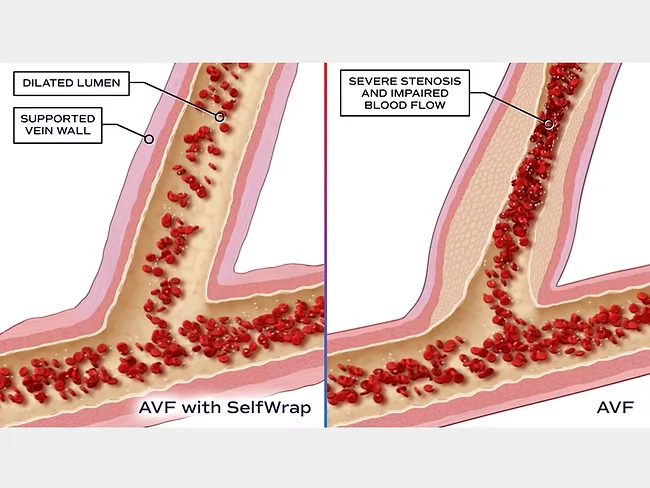
Venostent Inc. has completed $16 million in series A financing to support a U.S. pivotal trial for bioabsorbable wraps designed to improve outcomes for hemodialysis patients suffering from end-stage renal disease (ESRD). This comes after Venostent was granted an FDA investigational device exemption (IDE) to begin its U.S. Selfwrap-assisted arteriovenous fistula study and breakthrough device designation of its technology awarded last year.
Histoindex Pte Ltd.'s’s artificial intelligence (AI)-enabled tissue imaging technology more accurately measures the change in fibrosis than current pathology tests, the company said.
 RSS
RSS