U.S. Medicare coverage for breakthrough devices has been a hot topic for several years now, but industry is one step closer to making this policy dream a reality thanks to another new proposal from the Centers for Medicare & Medicaid Services (CMS). The agency released a new version of the Transitional Coverage for Emerging Technologies (TCET) program that seems to satisfy most of what med-tech trade associations sought, but the catch is that manufacturers must notify CMS of their intent to take part in TCET a year before the FDA will decide whether to grant market authorization to the device.
The near $50 million cash injection Nvision Imaging Technologies GmbH recently received is “instrumental” as it will allow the company to take its hyperpolarized magnetic resonance imaging (MRI) technology to labs worldwide, CEO Sella Brosh told BioWorld. The German startup’s quantum technology makes MRI imaging up to 100,000 times more precise which will allow for the earlier diagnosis of cancer, better assessment of the risks involved and the ability to assess in a matter of days, whether treatment is working.
Dexcom Inc. rolled out its plans for 2024 and 2025 at an Investor Day event held at the beginning of the American Diabetes Association Annual Meeting in its hometown of San Diego on June 23. The company is looking to expand from diabetes into metabolic health more broadly and previewed several new products designed to appeal to a wider market.
Regulatory snapshots, including global submissions and approvals, clinical trial approvals and other regulatory decisions and designations: Imagebiopsy.
Med-tech happenings, including deals and partnerships, grants, preclinical data and other news in brief: Clario, Echonous, Laerdal Medical, Simx, Sleepiz, Surgalign, Ultrasight.
The U.S. FDA reported a pilot program for validation of lab-developed tests (LDTs) used as companion diagnostics, a move that seems an implicit recognition that test kits as CDx products are not the darlings of test developers. The program arrives as the agency is considering rulemaking for regulation of LDTs, however, a combination of developments that promises to roil the already strained relationship between the FDA and clinical labs.
A method for manufacturing graphene which significantly increases its electrochemically active surface area holds the potential to reduce the cost and increase the accuracy of biosensors and could provide the basis for amplification-free, label-free and enzyme-free in vitro diagnostics.
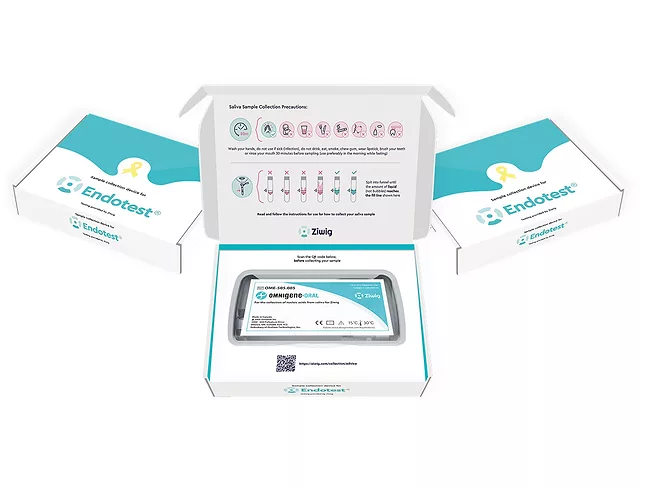
Difficulty in obtaining an accurate diagnosis and treatment for endometriosis leaves many women spitting mad, but they may soon find that saliva is the key to escaping the diagnostic maze. A recent study published in the New England Journal of Medicine validated the Endotest developed by Ziwig SAS based on results from a study involving 200 symptomatic patients monitored in five hospital units and specialized centers in France since November 2021. The findings demonstrateda sensitivity and specificity of more than 95%.
As it develops a new metastasis-on-a-chip device based on microfluidic chip technology that provides a platform to capture and study highly metastatic cancer cells, Mettactics Ltd. is in the process of raising financing to develop its product to empower precision medicine. Founded in 2019, Hong Kong-based Mettactics developed a microfluidic device that can capture metastatic cells and carry out clinical tests to predict the drug response of patients based on the cells’ genetic signature.
 RSS
RSS