Largely underserved pediatric surgery patients in the U.S. could benefit from a new digital laparoscopic surgery solution said its developer Asensus Surgical Inc. Granted a pediatric indication by the U.S. FDA for the Senhance system in late March, the company plans to enter a market that has been largely ignored because of the difficulty performing digital laparoscopic surgery on smaller body patients.
The Ministry of Health and Prevention has just published a decree introducing the anticipated coverage by the National Health Insurance Fund of digital medical devices and remote medical monitoring activities.
The €13.8 million (US$15.25 million) Kiro SAS recently raised in its series A financing led by Sofinnova Partners will enable the company to further develop its artificial intelligence (AI) platform, which standardizes and analyzes laboratory test results, making them more relevant to doctors and easier for patients to understand. The funding will also allow the company to prepare the groundwork to enter the U.S. market where, Alexandre Guenoun, CEO at Kiro, told BioWorld, there is a huge “opportunity” for the AI platform following changes to regulations which require laboratories to communicate test results directly to patients.
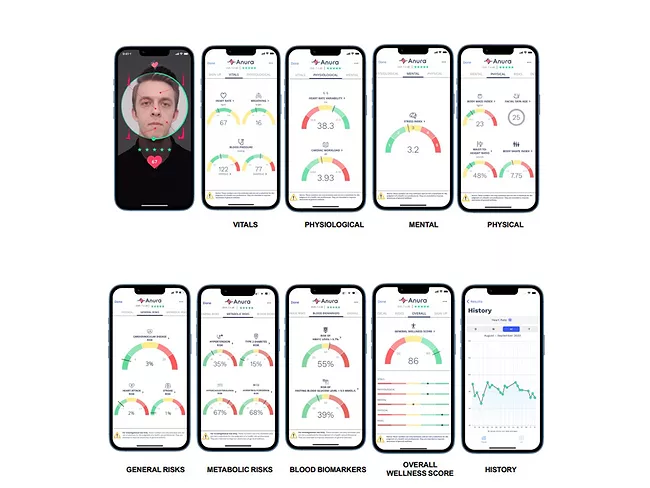
Nuralogix Corp.’s Anura health platform has expanded its capabilities to predict health risks using transdermal optical imaging (TOI) technology to include fatty liver disease (FLD), which affects an estimated quarter of the U.S. population. The platform uses facial blood flow patterns to provide medical-grade assessments of more than 30 health vital signs using any video-enabled device.
Med-tech happenings, including deals and partnerships, grants, preclinical data and other news in brief: Abbott Laboratories, Bio-Techne, Bracco Imaging, Dexcom, Excellus Communications, Fresenius, Livecare, Lunaphore, Quest Diagnostics, Radiopharm, Sonothera, Terthera.
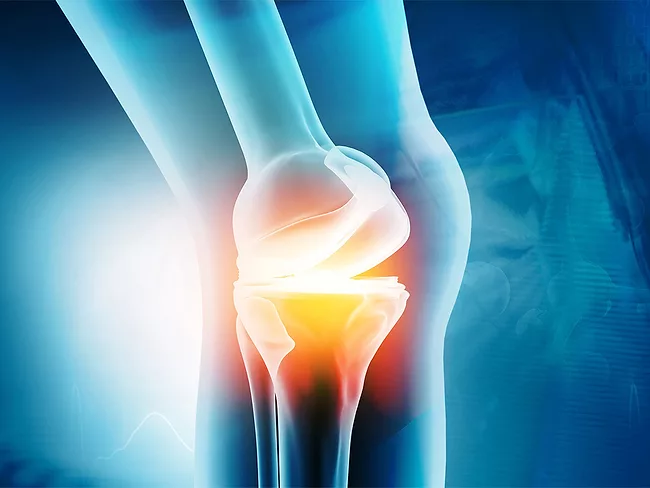
New York-based Apos Medical Assets Ltd., doing business as Aposhealth, has been developing a shoe that provides some relief from pain and disability in patients who are candidates for total knee arthroplasty (TKA), and the Apos shoe seems to have gained a toehold in the U.K. market. The National Institute for Health and Care Excellence (NICE) has provided a guarded recommendation for the use of the Apos shoe in the U.K., although the agency still has questions as to how long use of the shoe can delay the need for TKA.
The U.S. FDA has cleared Aroa Biosurgery Ltd.’s 510(k) for its Enivo pump and catheter, which are key components of the company’s new Enivo tissue apposition platform. The device applies negative pressure to a surgical site, helping to reduce fluid accumulation following surgery. It has been cleared for use in removing surgical and bodily fluids from a closed wound for hematoma and seroma prophylaxis following plastic surgery or other general surgeries where large flaps are formed.
 RSS
RSS