Payers are known to have a significant burden in crafting coverage and reimbursement policies for in vitro diagnostics, but Gillian Hooker, chief scientific officer at Concert Genetics Inc., of Nashville, Tenn., told an audience at the Next Generation DX Summit that the dilemma may be more expensive than commonly appreciated. Hooker said administrative costs may add as much as $125 per administered test, an artifact of a fragmented value chain that seems to enjoy few, if any prospects of improvement in the near term.
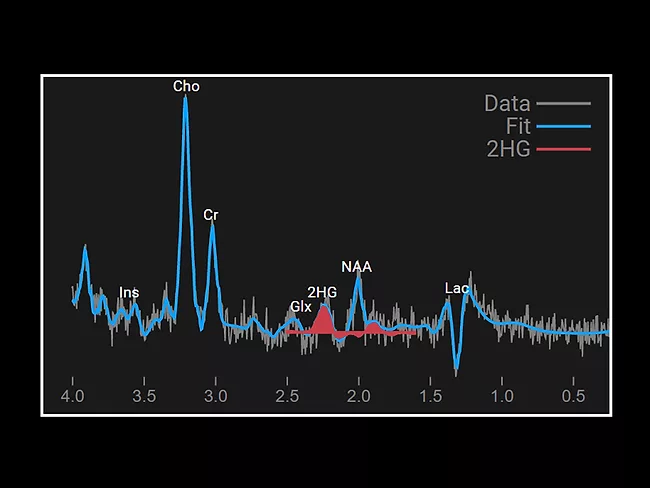
The U.S. FDA granted breakthrough device designation to startup Brainspec Inc. for its non-invasive virtual brain biopsy system. The company uses standard magnetic resonance imaging equipment to measure brain chemistry rather than to create images, providing a more detailed view of pathophysiology involved in a range of neurological disorders.
Regulatory snapshots, including global submissions and approvals, clinical trial approvals and other regulatory decisions and designations: Brain Scientific, Brainspec, Cordx.
Med-tech happenings, including deals and partnerships, grants, preclinical data and other news in brief: Bluerock, Biocardia, Cue Health, Fresenius, Glaukos, Incarda, Iveena, Labcorp, Physiq.
Clinical updates, including trial initiations, enrollment status and data readouts and publications: Imperative Care, Tokyo Institute of Technology, Zetroz Systems.
The recall of CPAP, BiPAP and ventilator devices made by Philips Respironics Inc., of Murrysville, Pa., is now in its second year, but the rate of reported adverse events was exceedingly low prior to the onset of the June 2021 recall. Those numbers continued to climb in May, June and July of 2022, however, reaching 48,000 medical device reports and 44 deaths said to be associated with the recalled devices, a pace that would easily overwhelm the volume of reports seen in the 12 months ending April 30, 2022.
Akadeum Life Sciences Inc. is rolling out a new dead cell removal kit using its patented microbubble technology. The research-use-only Dead Cell Removal Microbubble Kit (DCR kit) is currently available via direct sales to the U.S. market and on the company’s website. Akadeum’s DCR kit is designed to resolve current challenges in dead cell removal, which can hamper elimination of dead cells and the salvage of viable ones for research use.
A research team at the Korea Advanced Institute of Science and Technology (KAIST) has developed tattoo ink made of liquid metal and carbon nanotubes that can work as a bioelectrode. This technology could translate to a tattoo that can function as a health-monitoring device.
 RSS
RSS