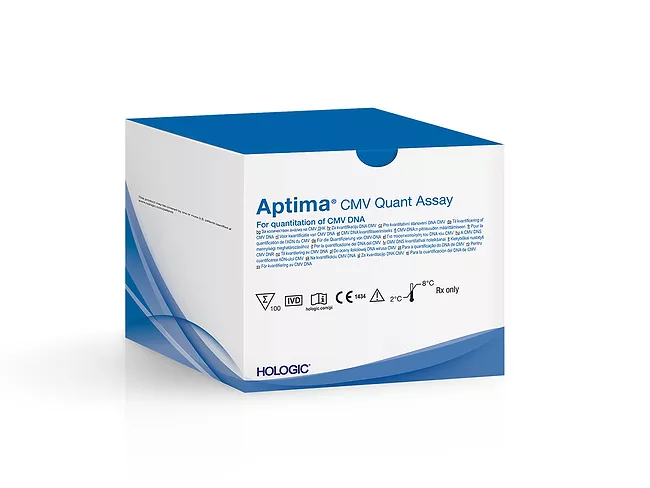
Hologic Inc. received FDA premarket approval for its Aptima CMV Quant assay, which enables monitoring of viral loads of transplant patients with cytomegalovirus (CMV). While CMV typically poses little risk to adults with healthy immune systems, it can cause organ rejection and death in transplant patients if untreated. The assay gained a CE mark in June 2021.
Jenavalve Technology Inc. presented first real-world data for a study evaluating the safety and efficacy of its Jenavalve Trilogy transcatheter aortic valve implantation (TAVI) system for the treatment of severe aortic regurgitation (AR). The data, presented at the EuroPCR meeting on May 18, met the primary safety and efficacy endpoints with no major adverse events and no moderate or severe AR at discharge.
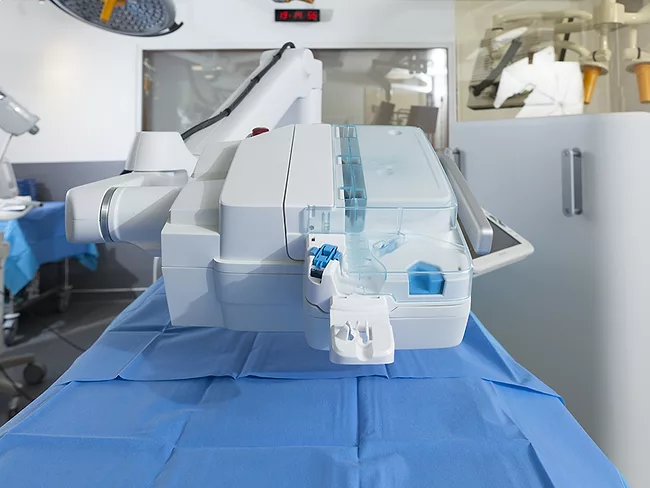
Robocath SAS presented results from the R-Evolution European clinical study assessing the safety and efficacy of its R-One robot for coronary angioplasty procedures. The study, which included 62 patients across six European centers, met all three primary endpoints, showing 100% clinical success, >95% technical success, and 84.5% average reduction in physician radiation exposure.
A year after the World Health Organization's (WHO) Independent Panel for Pandemic Preparedness and Response called for reforms to make COVID-19 the last pandemic, the panel remains solidly frustrated in its lack of progress.
Regulatory snapshots, including global submissions and approvals, clinical trial approvals and other regulatory decisions and designations: Icad, Olympus, Robocath.
Med-tech happenings, including deals and partnerships, grants, preclinical data and other news in brief: CND Life Sciences, Bodimetrics, Canary Speech, Conextions, Diagnostics for the Real World, Lazurite, Lifescan, Medtronic, Metis Therapeutics, Minnetronix, Somnology, Sorenson.
Clinical updates, including trial initiations, enrollment status and data readouts and publications: CTL Amedica, Bonesupport, Linear Health Sciences, Xact Robotics.
The Senate Health, Education, Labor and Pensions (HELP) Committee has posted its version of U.S. FDA user fee legislation, a bill that echoes many of the primary features of the version already at play in the House of Representatives. One critical difference is that the Senate bill includes legislation that would enable the FDA to regulate lab-developed tests (LDTs), the so-called Verifying Accurate, Leading-edge IVCT Development (VALID) Act, the omission of which from the House bill ruffled a few feathers. The American Clinical Laboratory Association (ACLA) responded to the Senate bill with a May 17 statement applauding the inclusion of the VALID Act in the Senate user fee bill.
The European Commission (EC) has proposed new legislation directed toward formation of a European Health Data Space (EHDS), which is nominally intended to address some perceived gaps in the General Data Protection Regulation (GDPR). While this legislative proposal seems to interact with both the GDPR and pending EU legislation on artificial intelligence, the EHDS takes on the massive challenge of compulsory interoperability of electronic health records (EHRs). The EC unveiled the proposal with an emphasis on health data accessibility, although both the European Council and the European Parliament will now have their say over how the legislation will ultimately read.
 RSS
RSS