Regulatory snapshots, including global submissions and approvals, clinical trial approvals and other regulatory decisions and designations: Avita Medical.
The Vanta device by Medtronic plc, provides relief from pain for thousands of patients, but the Vanta might also feel the pain when the patient is undergoing cardioversion. According to a field safety notice from Dublin-based Medtronic, two patients in Europe have undergone explant procedures for the device due to damage sustained during cardioversion, but the company urges physicians to pay heed to the labeled indication, which recommends that the device be temporarily reprogrammed to reduce the risk of damage to the device, an action that Medtronic indicated should ward off any such issues.
Artificial intelligence (AI) faces a number of interesting hurdles in the EU, such as the still-developing Artificial Intelligence Act (AI Act), which seems destined to treat health care uses as high-risk propositions. Corinne Dive-Reclus, director of global lab insights at Roche Diagnostics, said there are possible solutions, such as overwriting the AI Act’s risk classifications with the risk category provided by existing regulations, but there is an open question as to whether a fix will be in place to prevent a potentially disastrous risk framework for AI in health care.
Saturating bioactive glass with silver sustains the metal’s antimicrobial properties and reduces biofilm formation, researchers at the University of Birmingham, U.K., found. Their study, published in Biofilm, demonstrated that specific preparation, storage and application techniques minimize the transformation of silver ions to silver chloride that typically reduces silver’s healing properties over time.
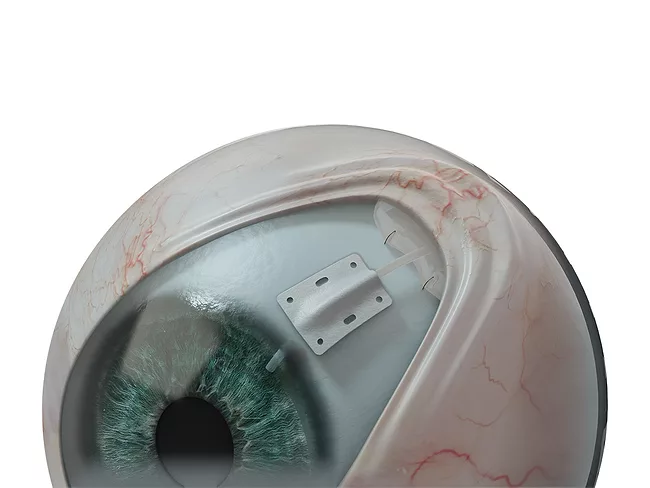
The U.S FDA 510(k) clearance for Corneat Vision Ltd.’s Everpatch is a “safety stamp” for the product, and the “first step’ in the deployment of Corneat’s synthetic tissue substitute technology, which could displace the use of donor and processed tissue, Almog Aley-Raz, CEO of Corneat, told BioWorld. The Corneat Everpatch, for use in ophthalmic surgeries, is the first non-degradable material that seamlessly embeds itself with surrounding tissue avoiding foreign body response often triggered by implanted devices, Aley-Raz claimed.

 RSS
RSS