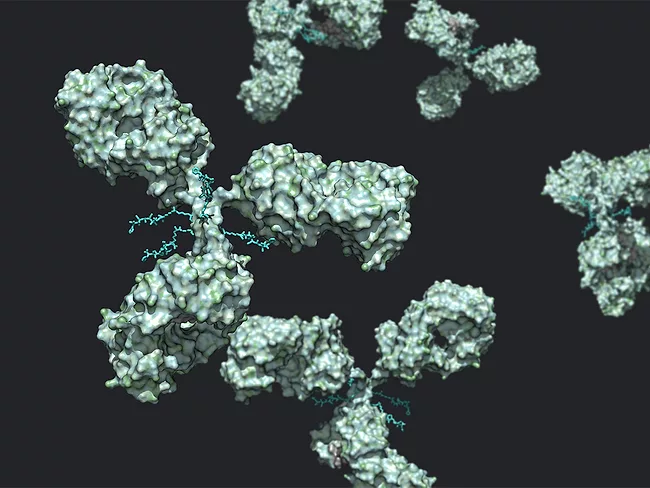
Alteogen Inc. completed a merger between two subsidiaries – Altos Biologics Inc. and Alteogen Healthcare Inc. – branding the new entity as Alteogen Biologics Inc.
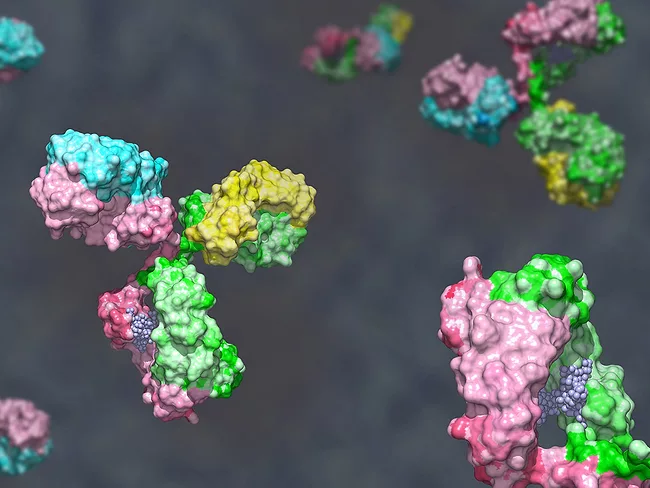
Although HER2-targeted therapies have become a mainstay in cancer treatment, some tumors evade them by stripping away the portion of the HER2 receptor that most therapies are built to recognize and bind to, but Taiwan’s AP Biosciences Inc. is developing bispecific antibody AP-402 to address treatment-resistant HER2+ cancers.
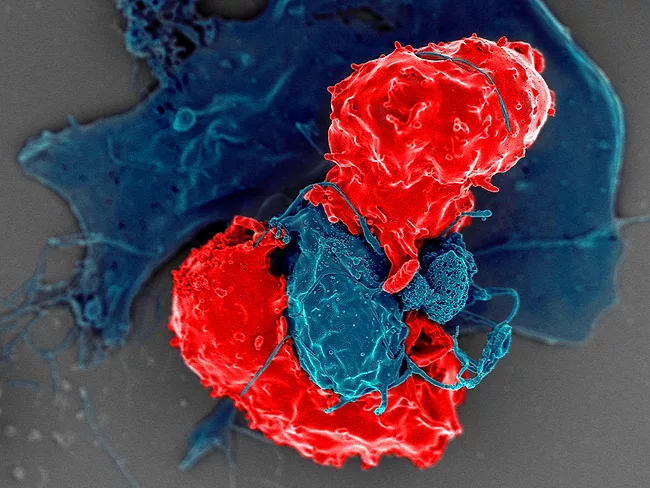
Japanese-founded Regcell Inc. has raised $45.8 million and is redomiciling to the U.S. to accelerate clinical development of its pioneering regulatory T-cell (Treg) platform for autoimmune diseases and transplantation.
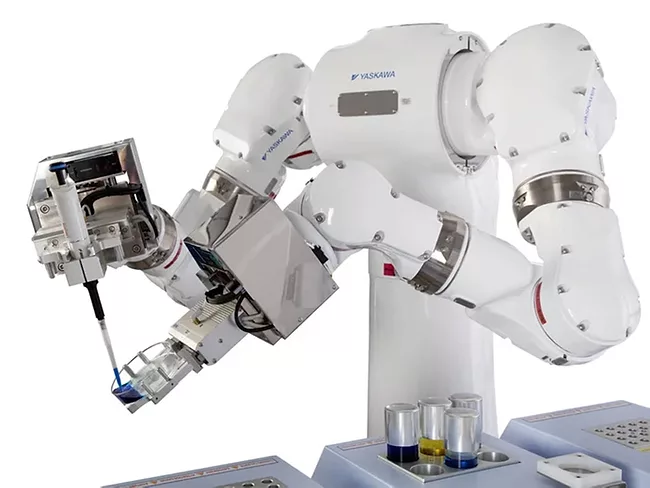
Astellas Pharma Inc. is setting up a joint venture with Yaskawa Electric Corp. to develop a new cell production platform using Yaskawa’s dual-arm humanoid robot called Maholo.
HBM Alpha Therapeutics Inc. signed a potential $395 million licensing deal Feb. 26 with an unnamed “business partner” for its endocrine asset, HAT-001, adding another contender to the congenital adrenal hyperplasia space.
Antibody-drug conjugate (ADC)-focused Callio Therapeutics debuted on March 3 with the closing of a $187 million series A financing round based on cancer drug technology and assets in-licensed from Hummingbird Bioscience Pte Ltd.
Biomissile Pharmaceuticals Co. Ltd. is developing multispecific antibodies that overcome resistance associated with antibody-drug conjugates via its next-generation natural killer (NK) cell engagers. “ADCs are very efficacious, but they do have a drawback with side effects and resistance, because ultimately ADCs are similar to chemotherapy because you bring toxins to the tumor site,” Biomissile co-founder and CEO Chao Tu told BioWorld.
Ligachem Biosciences Inc. landed another exclusive licensing deal to develop and commercialize antibody-drug conjugates (ADCs), this time with T-cell receptor therapy specialist Daan Biotherapeutics Inc. for a cancer-targeting antibody.
George Medicines, a new spinout from Australia’s George Institute for Global Health, could offer patients better control of their blood pressure as well as fewer side effects thanks to an ultra-low-dose triple combination.
To realize the promise of cell therapy for neurodegenerative disorders, S.Biomedics Co. Ltd. is looking to expand clinical trials of TED-A9, its stem cell therapy for Parkinson’s disease (PD), to the U.S., having reaped positive results from a domestic phase I/IIa trial in November 2024.
 RSS
RSS