Luye Pharma Group has received marketing approval from China’s NMPA for the triple monoamine reuptake inhibitor Ruoxinlin (toludesvenlafaxine hydrochloride) to treat patients with major depressive disorder, a condition that “has become one of the most prevalent mental disorders in China, causing a heavy burden on patients, their families and the entire society,” said Luye President Yang Rongbing.
Shanghai’s State Medical Products Administration announced that GSK plc has been banned from participating in volume-based procurement tenders until April 29, 2024, after failing a good manufacturing practices (GMP) inspection at a contract manufacturing plant in Poland that makes products for China.
The potential for psychedelics to deliver long-lasting benefits for people with anxiety, depression, post-traumatic stress disorder and addiction is being put to the test in Australia, where new research and discovery centers are adding to a global enterprise of nearly 100 clinical trials underway in the space.
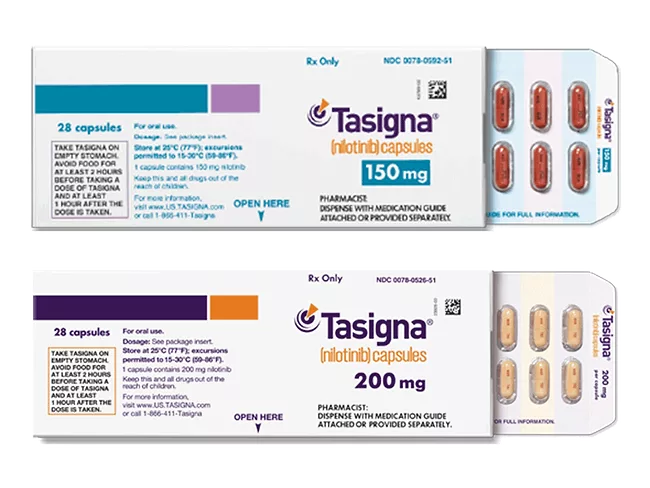
Expanding its mandate to accelerate access to essential medicines to people in low- and middle-income countries, the Medicines Patent Pool signed its first voluntary licensing agreement for a cancer treatment, Novartis AG’s Tasigna (nilotinib).
A vaccine for dengue fever, an advanced therapy for a complication after transplants, and a potential first-in-class drug for a form of psoriasis were among medicines recommended for approval by European regulators on Oct. 14.
South Korea’s drug regulator should consider revising orphan drug definitions or allow more new innovative drugs to be excluded from pharmacoeconomic assessments, which are required for new drugs to be reimbursed under Korea’s single-payer system, the European Chamber of Commerce in Korea said.
A review of Australia’s National Medicines Policy was begun in August 2021 but was paused until after the federal election in May to allow stakeholders more time to provide feedback.
Hua Medicine Ltd. has received marketing approval from China's NMPA for its glucokinase activator (GKA), Huatangning (dorzagliatin tablets), for two indications: as a monotherapy to improve blood glucose control for drug-naïve type 2 diabetes patients and in combination with metformin in metformin-tolerated type 2 diabetes patients to control blood glucose level. It marks the first GKA drug to gain approval in any market, according to Hua.
The U.S. FDA has approved Taiho Oncology Inc.’s Lytgobi (futibatinib) for adults with previously treated, unresectable, locally advanced or metastatic intrahepatic cholangiocarcinoma harboring fibroblast growth factor receptor 2 (FGFR-2) gene fusions or other rearrangements. The approval arrived on its Sept. 30 PDUFA date.
Japan’s Ministry of Health, Labor and Welfare (MHLW) approved a slew of new drugs in the last week of September, including Japan’s first sustained release GIP/GLP-1 receptor agonist for type 2 diabetes from Eli Lilly and Co. and Mitsubishi Tanabe Pharma Corp.; a self-administered injectable drug for rheumatoid arthritis from Eisai Co. Ltd. and Nippon Medac Co. Ltd.; a CAR T from Legend Biotech Corp. and Janssen Pharmaceutical KK; and two drugs from Astrazeneca plc, one in asthma and the other in pediatric plexiform neurofibromas in neurofibromatosis type 1.
 RSS
RSS