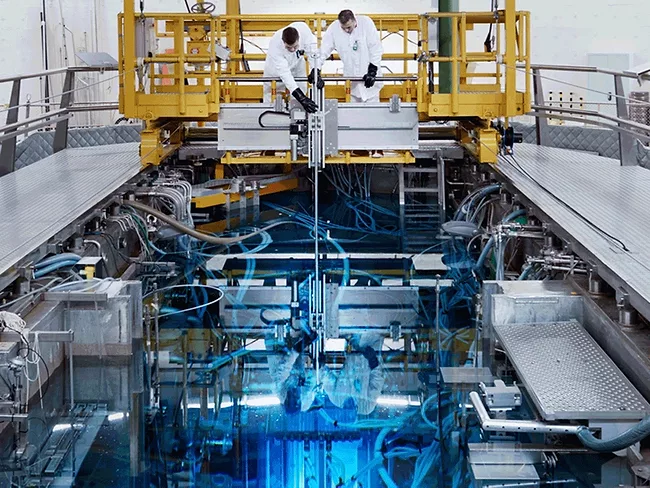
The possibilities of cures for cancer and other tough-to-treat diseases and the ability to further personalize medicine are creating a lot of excitement about the future of radiopharmaceuticals as both therapy and diagnostics. To reach that future, industry and researchers will have to overcome a lot of challenges, not the least of which stem from the multiple government agencies involved in regulating the source material, development, distribution and use of radioactive drugs and devices.
Radiopharmaceuticals require sophisticated infrastructure, with just-in-time radioactives delivered to patients who must isolate while receiving the therapy. Quality control and numerous layers of regulation makes for a daunting space to enter.
Supply issues are a “major concern for the whole industry and for the medical community as well, because they see targeted radiotherapy as a very promising field with very interesting results in the clinic, but they are concerned that drugs may not be available for a large number of patients, and it is a legitimate concern,” Orano Med SAS CEO Julien Dodet said.
It all goes to show how a good idea can’t be kept down. Madam Curie started radiopharmaceuticals in the late 1800s and now it’s a multibillion-dollar industry. BioWorld’s eight-part series on a new era of radiopharmaceuticals reveals their increasing importance as part of cancer treatments because they have fewer side effects and cause far less damage to tissue than previously. The big idea is taking the hallmarks of two cancer therapies – radiology and chemotherapy – and merging them. That’s what makes this evolving technology a disrupter.
Regulatory snapshots, including drug submissions and approvals, clinical trial approvals and other regulatory decisions and designations in Asia-Pacific: Aim Immunotech, Astellas, Brim, Edesa, Everest Medicines, Gennova, Hutchmed, Inflarx, Seagen, Shionogi.
Global interest in radiopharmaceuticals is growing, and some big deals in the space have sparked interest in the last few years. Novartis AG has spent about $6 billion in acquisitions and is seen as the global leader.
Regulatory snapshots, including drug submissions and approvals, clinical trial approvals and other regulatory decisions and designations in Asia-Pacific: Athos, Huidagene, Hutchmed, Immvira, Incyte, Samsung Bioepis, Transcenta.
Clinical updates from Asia, including trial initiations, enrollment status and data readouts and publications: Actinogen Medical, Bioxytran, Dxvx C., Eisai, Immutep, Invivyd, Kintor, Olix, Takeda, Vacmedix UK, Yishengbio.
 RSS
RSS