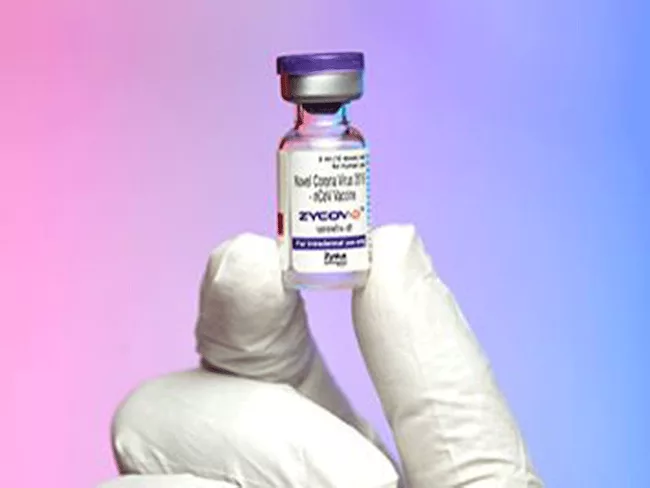
Zydus Cadila Group could make history after applying for approval for the first ever human DNA vaccine in India. But that could be just the start for a technology that could treat a vast array of diseases, including cancer, infectious diseases and chronic diseases.
Rapid changes, a traditionally conservative approach and a chronic lack of regulatory transparency could undo a lot of the progress that Japan has made in the past few years to speed up approvals and all but eliminate a punishing drug lag that, for decades, held back the development of the country’s biopharma sector.
China’s National Health Commission has just released a new set of regulations to evaluate the clinical value of both approved drugs and those still in trials as part of its efforts to improve the market standards.
Antengene Corp. Ltd. has gained the first greenlight in Asia for the oral exportin 1 (XPO1) inhibitor selinexor, in-licensed from Karyopharm Therapeutics Inc., after South Korea’s Ministry of Food and Drug Safety gave the thumbs up for its NDA.
Zentera Therapeutics Inc. completed a $75 million series B financing round to help further its candidates in China, as it paves the way for a listing in Hong Kong next year.
In a deal that could be worth up to $565 million, Simcere Pharmaceutical Group Ltd. licensed in glutaminyl cyclase inhibitor varoglutamstat (PQ-912) and monoclonal N3pE-antibody PBD-C06, which target the neurotoxic amyloid species N3pE (pGlu-Abeta), from Vivoryon Therapeutics AG to develop and commercialize for Alzheimer’s disease in greater China.
Sinocelltech Group Ltd. won market approval from China’s NMPA for SCT-800, a B-domain deleted recombinant human coagulation factor VIII, for the prophylactic treatment of severe hemophilia A in adolescent and adult patients. This marks the first homegrown drug for treating hemophilia A in China.
 RSS
RSS