While U.S. policymakers are scaling back funding on mRNA vaccine research, Australia is accelerating investment in the technology. At the center of this effort is Moderna Inc., which is establishing an mRNA research and manufacturing footprint in the country and banking on decades of local expertise to bring new therapies to the clinic and serve as a regional hub for Asia Pacific.
The first new U.S. FDA-approved therapeutic option for PTSD in more than 20 years will have to wait. A supplemental NDA seeking approval of Rexulti (brexpiprazole) combined with sertraline, filed by one of Japan’s biggest pharmas, Otsuka Pharmaceutical Co. Ltd., received a complete response letter (CRL) from the agency.
The unsettling impact that the Trump administration’s health care and tariff initiatives are having on M&A activity and financing is highlighted in a new survey of CEOs and investors, who say uncertainty related to the U.S. policy environment is the top challenge they face when it comes to executing deals.
Regulatory snapshots, including drug submissions and approvals, clinical trial approvals and other regulatory decisions and designations in Asia-Pacific: Akeso, Alteogen, Alvotech, Biocon, Celltrion, Daiichi Sankyo, Eisai, Esperioin, Henlius, Innovent, Ipsen, Nuvation, Polyrizon, Verrica.
Clinical updates from Asia, including trial initiations, enrollment status and data readouts and publications: Asceltis, Carsgen, Corestemchemon, Hightide Therapeutics, MagicRNA, Prota, QL Biopharmaceutical, Sagimet.
Biopharma happenings in Asia-Pacific including deals and partnerships, grants, preclinical data and other news in brief: Axceled, Adagene, Austrianova Avant, Biocytogen, Cadrenal, Exelixis, Exithera, Haisco, Kalexo, Klothonova, Kwangdong, Mabwell, Ocugen, Tubulus, Xforest.
Drug developer stocks rebounded over July and August, with 23 companies on the BioWorld Drug Developers Index posting gains and only seven declining. The two-month upswing marks a reversal from the February-through-June period, when the index remained in the negative.
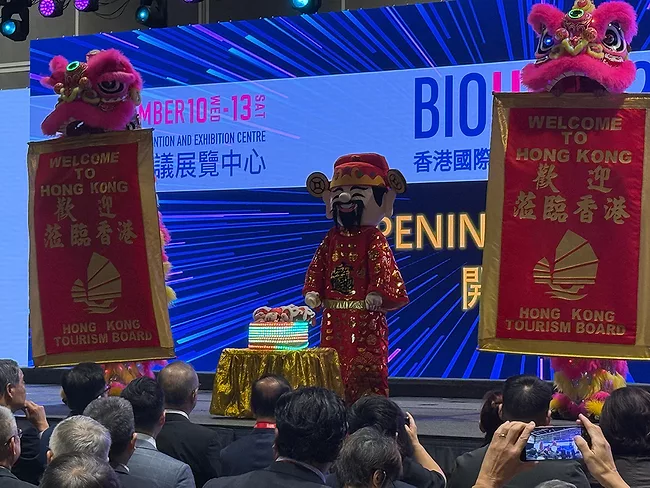
Artificial intelligence is no longer just a supporting tool in biotechnology – it is beginning to define the way drugs are discovered, tested and advanced into the clinic, speakers said during the Bio Hong Kong conference Sept. 10 to 13.
The Hong Kong biotech sector saw record growth this year, expanding 13%, fueled largely by investment in innovation ranging from CRISPR gene editing tools, cell therapies and artificial intelligence in drug discovery, speakers at the BIO Hong Kong conference said Sept. 10.
 RSS
RSS