Biopharma partnerships involving nonprofits have declined sharply since peaking during the pandemic. Deal value surged from $5.18 billion in 2019 to $21.44 billion in 2021, driven by COVID-19 collaborations and vaccine-related funding, before falling to $7.99 billion in 2022 and $754.6 million in 2024. So far in 2025, nonprofit deal value totals $126 million through the third quarter.
In 2025, the biopharma industry has undergone a wave of workforce reductions that surpasses previous years’ trends. Multiple major pharma companies have announced sizeable job cuts, driven by a convergence of shifting regulatory terrain, vaccine slowdowns and cost-structure rationalization.
Transthera Sciences Inc. is out-licensing one of its preclinical NLRP3 inhibitors to Neurocrine Biosciences Inc. under a collaboration agreement worth $881.5 million. Under deal terms, Nanjing, China-based Transthera will receive an undisclosed up-front payment and is eligible to receive research and development and sales-based milestone payments up to $881.5 million.
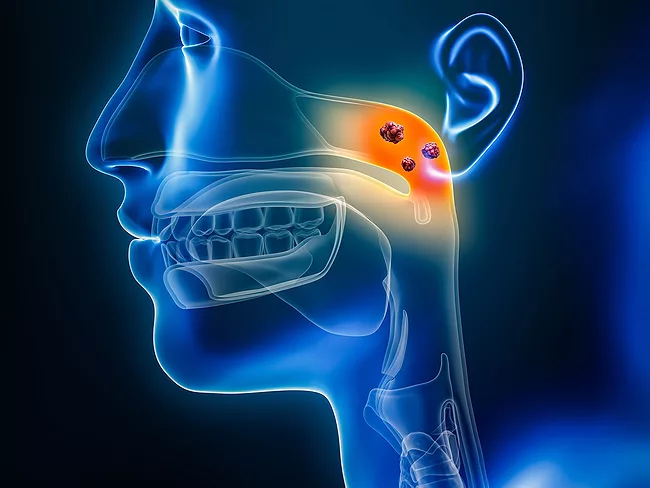
Lepu Biopharma Co. Ltd. said Oct. 30 it won Chinese approval of a novel antibody-drug conjugate (ADC), Meiyouheng (becotatug vedotin injection), making it China’s first epidermal growth factor receptor (EGFR)-directed ADC for advanced nasopharyngeal cancer (NPC).
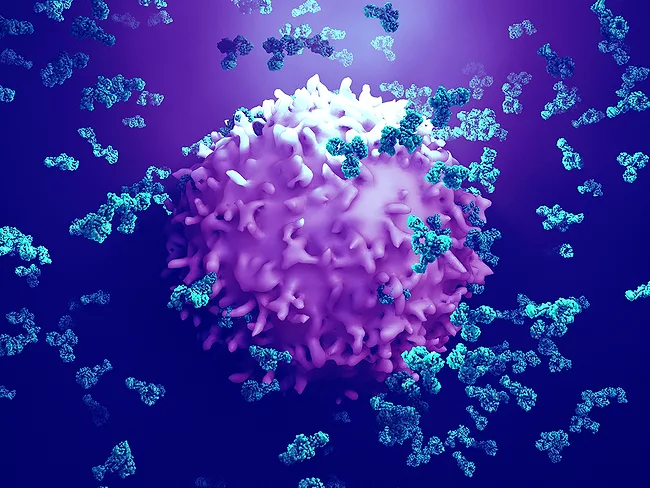
For 75 years, the standard tools for autoimmune disease have consisted of steroids, cytotoxics and broad biologics that tamp down the entire immune system. They can help, but they are rarely curative. “They’re blunt instruments,” Regcell Inc. CEO Mike McCullar told BioWorld. “They can’t distinguish good immune cells and bad immune cells,” which is why many carry black-box warnings and must be taken for years, sometimes for life.
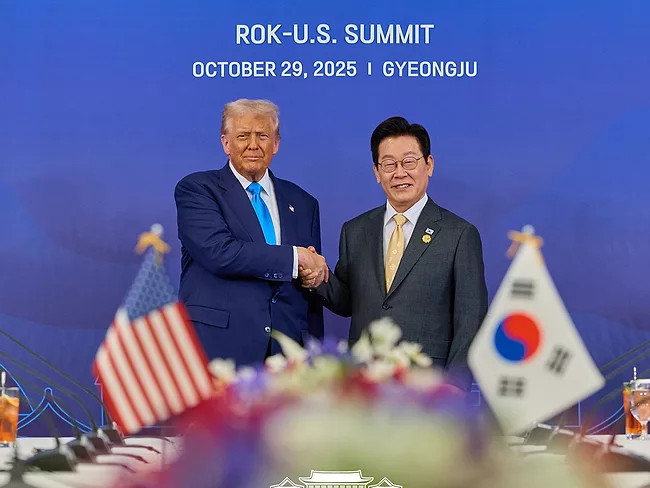
The Korea Biotechnology Industry Organization on Oct. 30 welcomed the bilateral trade deal between the U.S. and South Korea announced during U.S. President Donald Trump’s state visit alongside the Asia-Pacific Economic Cooperation forum in Gyeongju, South Korea.
In September 2025, BioWorld recorded 230 clinical trial updates spanning phases I through III, up sharply from 95 in August, 140 in July and just below 254 in June. Among these, 22 phase III trials reported positive outcomes, while four ended in failure and another three produced mixed results.
Takeda Pharmaceutical Co. Ltd. agreed to codevelop and commercialize up to three of Innovent Biologics Co. Ltd.’s immuno-oncology (I-O) and antibody-drug conjugate (ADC) candidates with the signing of a $11.4 billion deal, including $1.2 billion paid up front.
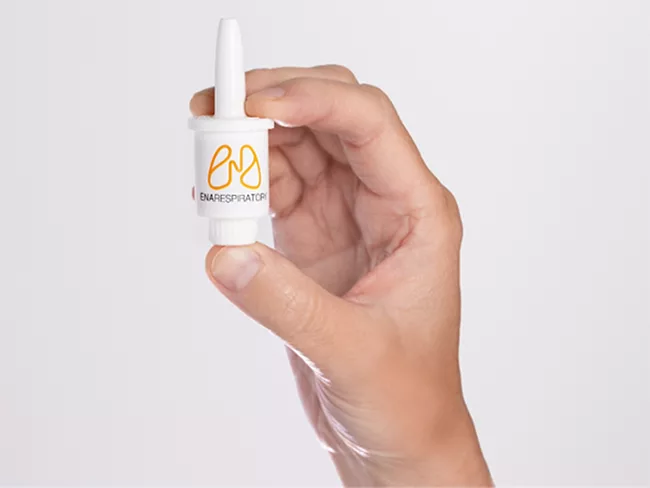
Ena Respiratory Pty Ltd. raised an AU$34 million (US$22.4 million) series B round to advance INNA-051, its nasal spray for symptomatic viral respiratory infections, to phase II trials. New investors in the Melbourne-headquartered company include the Gates Foundation and Flu Lab. Existing investors Brandon Capital, Uniseed and Stoic Venture Capital also participated in the round.
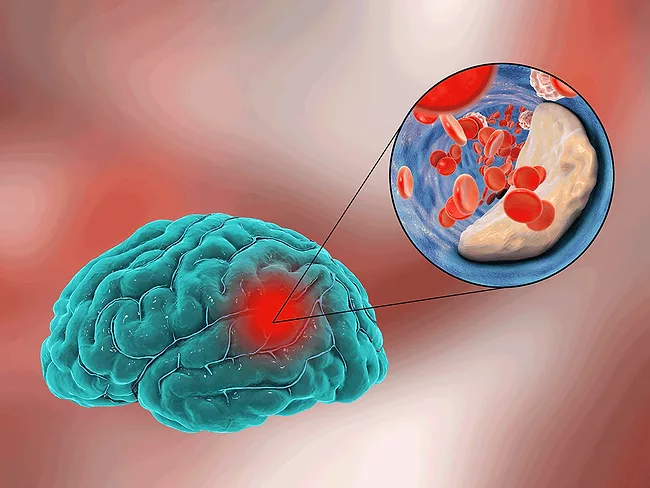
Although Argenica Therapeutics Ltd.’s stroke drug, ARG-007, saw mixed results in top-line phase II data, new data in functional outcomes studies showed signs the drug helped patients think more clearly, regain independence, and enjoy a better quality of life after stroke.

 RSS
RSS