Neither of Cynata Therapeutics Ltd.’s pivotal trials for its Cymerus stem cell platform met the primary endpoints, with no statistically significant differences between active and control groups on primary or key secondary efficacy measures, CEO Kilian Kelly told investors during a June 22 conference call.
Chinese peptide therapeutics developer Shaanxi Micot Pharmaceutical Technology Co. Ltd. is seeking up to HK$1.22 billion (US$155 million) in a Hong Kong IPO to advance its lead phase III chronic kidney disease candidate, MT-1013, and next-generation obesity therapies.
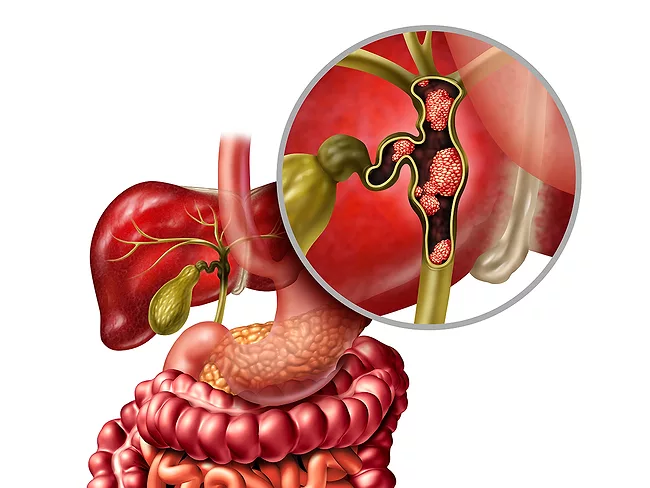
J-Pharma Co. Ltd. is progressing the most clinically advanced L-type amino acid transport 1 (LAT1) inhibitor, nanvuranlat (JPH‑203), in a global phase III Beacon-BTC study of biliary tract cancer following U.S. FDA alignment.
China’s National Medical Products Administration approved Carsgen Therapeutics Holdings Ltd.’s NDA for satricabtagene autoleucel (satri-cel, CT-041), marking the first global approval of a CAR T therapy for solid tumors. The autologous Claudin18.2-targeted CAR T was approved for patients with Claudin18.2-positive, HER2-negative advanced gastric/gastroesophageal junction adenocarcinoma who have failed at least two prior lines of therapy.
SK Biopharmaceuticals Co. Ltd. is doubling down on AI-powered drug discovery through a new collaboration with Insilico Medicine Inc. valued at more than $2.5 billion. The milestone-heavy deal, announced at the BIO International Convention in San Diego June 22, will pair Insilico’s Pharma.AI platform with SK Biopharm’s central nervous system (CNS) drug development and commercialization capabilities, underscoring Korean and global biopharma efforts to embed AI across the entire R&D lifecycle.
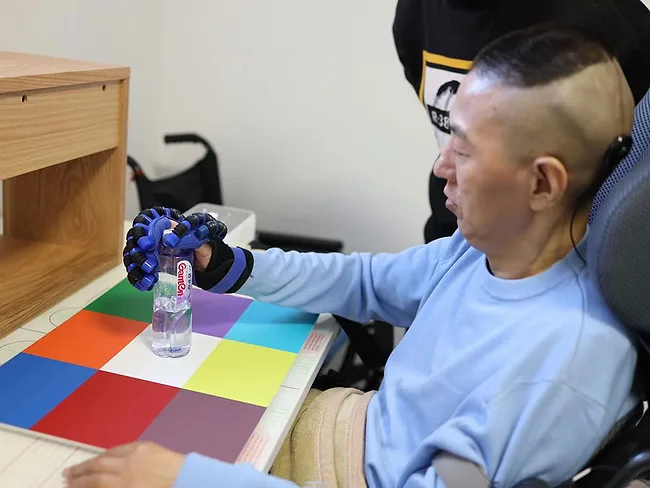
Decades of research are helping unravel the “black box” of the brain. The second article in BioWorld’s series on the Brain-Computer Interface (BCI) field looks at how simultaneous breakthroughs in AI technology are pushing the BCI field from a theoretical concept to a potential real-world, clinical option for individuals, particularly in China where the National Medical Products Administration greenlighted the world’s first invasive BCI system – Neuracle Medical Technology Co. Ltd.’s Neural Electronic Opportunity – for clinical use in March 2026.
MPM Bioimpact-spawned K2 Therapeutics Inc. inked a license deal plus option agreement, worth $980.5 million apiece, to gain ex-China rights to two of Antengene Corp. Ltd.’s preclinical anticancer bispecific T-cell engager (TCE) assets. The deal, announced June 21, will grant Singapore-based K2 exclusive rights to develop and commercialize Antengene’s ATG-106 outside of mainland China, Hong Kong, Macau and Taiwan.

 RSS
RSS