In a deal that could reach nearly $2 billion, Jiangsu Hengrui Pharmaceuticals Co. Ltd. has licensed a small molecule for treating cardiovascular disease to Merck & Co. Inc., dropping the China-based company into a space with lots of competitors in varying stages of development.
The U.S. FDA’s approval of Telix Pharmaceuticals Ltd.’s kit for preparing prostate-specific membrane antigen-PET imaging for prostate cancer widens the opportunities for patients who live far away from large hospitals. The FDA’s nod for the imaging agent, TLX007-CDx, now branded as Gozellix, has a long shelf life and needs less equipment and preparation compared to some other agents.
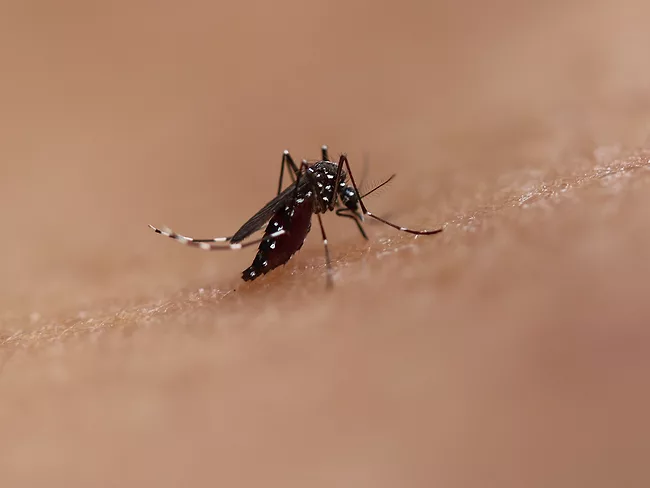
Dengue virus (DENV) is a member of the flavivirus family causing dengue fever, a mosquito-borne disease that can be life-threatening. Despite DENV’s widespread presence in over 80 countries and the significant health burden posed by the infection, there is still a critical need for therapeutics and vaccines, with current treatment options only providing supportive care.
Regulatory snapshots, including drug submissions and approvals, clinical trial approvals and other regulatory decisions and designations in Asia-Pacific: Alvotech, Eisai, Glenmark, Henlius, Hutchmed, Telix.
Ono Pharmaceutical Co. Ltd. struck a licensing deal with Ionis Pharmaceuticals Inc. for sapablursen, which is in phase II trials for polycythemia vera. Under terms, Osaka, Japan-based Ono gains an exclusive license to develop and commercialize sapablursen worldwide. Carlsbad, Calif.-based Ionis will be responsible for completing the ongoing phase II Imprssion study, while Ono will be responsible for subsequent development, regulatory filings and commercialization.
Celltrion Inc. is on a biosimilar roll with the U.S. FDA this month, having gained clearance of Stoboclo and Osenvelt as products referencing Amgen Inc.’s biologic, denosumab (Prolia, Xgeva), along with Omlyclo becoming the first and only interchangeable biosimilar to omalizumab (Xolair, Genentech Inc. and Novartis AG).
 RSS
RSS