Outlook Therapeutics Inc. is forging onward with plans to resubmit the BLA for ONS-5010, an ophthalmic version of Avastin (bevacizumab, Roche AG), after a missed endpoint in phase III with the VEGF binder for wet age-related macular degeneration (AMD).
Wall Street began comparing and contrasting what’s available after Amgen Inc. rolled out phase II data with weight loss candidate Maritide – a disclosure that led shares of the biotech heavyweight (NASDAQ:AMGN) to close Nov. 26 at $280.01, down $13.99.
The Alzheimer’s disease (AD) space took another blow along with the shares of Cassava Sciences Inc. (NASDAQ:SAVA), which plummeted by 83.8%, or $22.19, to end Nov. 25 at $4.30 after the firm unveiled top-line data from the phase III Rethink-Alz study with simufilam. The study tested simufilam in mild to moderate AD, where results fell short of each of the prespecified co-primary, secondary and exploratory biomarker endpoints.
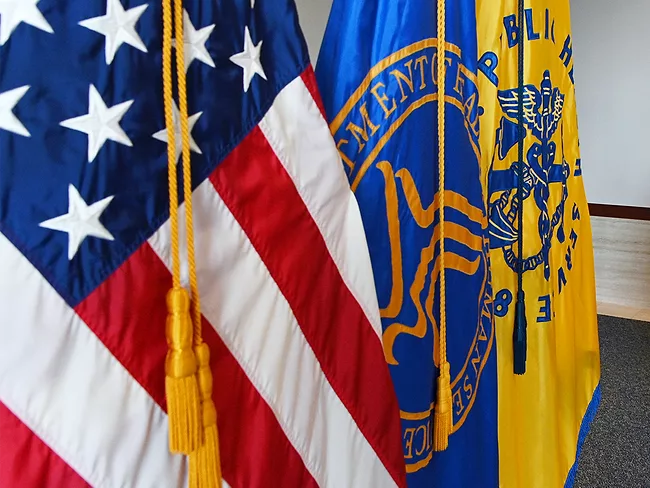
President-elect Donald Trump’s nomination of Robert F. Kennedy Jr. as U.S. Secretary of Health and Human Services (HHS) grabbed headlines globally, but the political jostling to come will determine whether Kennedy can secure the seat.
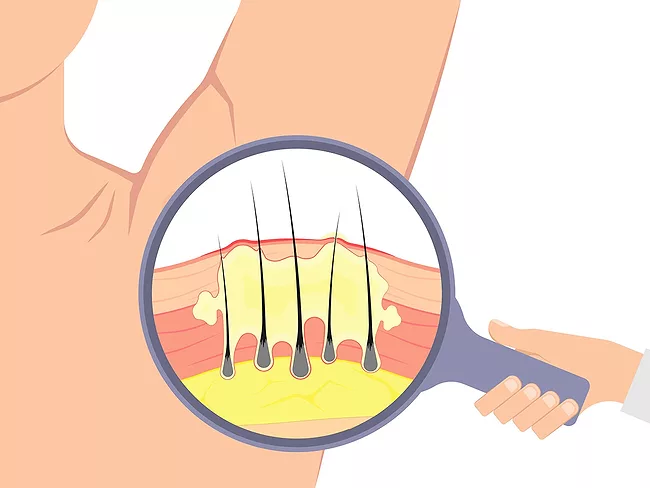
The U.S. FDA added hidradenitis suppurativa to the label for UCB SA’s Bimzelx (bimekizumab-bkzx), throwing renewed light on the indication, a chronic disease that causes painful, boil-like lumps that appear under the skin. Regulators cleared the humanized IL-17A and IL-17F antagonist for adults with moderate to severe HS, marking the drug’s fifth approval.
Syndax Pharmaceuticals Inc. won U.S. FDA approval – the company’s second this year – for menin inhibitor Revuforj (revumenib) with a black box warning for differentiation syndrome. “We’ve long expected that would be the case,” said CEO Michael Metzger. For “the last six years or so” the agency has had a “heightened awareness” of the problem, and he predicted all drugs in the class would bear similar cautionary language. But there’s also a warning about QT prolongation and a requirement for monitoring.
President-elect Donald Trump’s nomination of Robert F. Kennedy Jr. as U.S. Secretary of Health and Human Services (HHS) grabbed headlines globally, but the political jostling to come will determine whether Kennedy can secure the seat.
PTC Therapeutics Inc.’s accelerated go-ahead from the U.S. FDA for Kebilidi (eladocagene exuparvovec-tneq), a recombinant adeno-associated virus serotype 2-based gene therapy to treat aromatic L-amino acid decarboxylase (AADC) deficiency, came with a priority review voucher (PRV) that the company intends to monetize.
Syros Pharmaceuticals Inc.’s phase III failure with oral retinoic acid receptor alpha agonist tamibarotene in myelodysplastic syndrome (MDS) meant not only severe stock damage but also defaulting on the loan facility with Oxford Finance LLC, which means an obligation may be accelerated for the company of about $43.6 million, including principal, interest, and other amounts, according to an SEC filing.
The competitive menin-inhibitor space chalked further data from Syndax Pharmaceuticals Inc., which disclosed positive top-line results from the pivotal phase II portion of the Augment-101 study, designed to test oral small-molecule revumenib for safety and efficacy. But shares of the firm (NASDAQ:SNDX) closed Nov. 12 at $16.21, down $5.57, or 26%, after the Augment-101 numbers were disclosed.