B cells that expressed a constellation of checkpoint inhibitors could be spurred into antitumor activity by deleting or blocking the checkpoint molecule T-cell immunoglobulin and mucin domain 1 (TIM-1). The findings, which were published online in Nature on June 21, 2023, suggest ways to bring B cells into the antitumor fight. More broadly, Lloyd Bod told BioWorld, his laboratory aims to “break the dogma that B cells only produce antibodies.”
Back-to-back papers in the June 22, 2023, issue of Nature have identified separate molecular mechanisms underlying sex-specific cancer outcomes. Researchers from The University of Texas MD Anderson Cancer Center showed that increased expression of the epigenetic enzyme KDM5D, which is located on the Y chromosome, contributed to cancer progression in KRAS-mutated tumors. In the same issue of Nature, a team from Cedars-Sinai reported new insights into the consequences of losing the entire Y chromosome.
Part of the reason for CAR T cells’ astonishing success in B-cell cancers is that B cells are astonishingly easy to replace. CAR T cells are specific, yes. But they are not specific to tumor cells. They are specific to their target antigens. In the case of Yescarta (axicabtagene ciloleucel, Gilead Sciences Inc.) and Kymriah (tisagenlecleucel, Novartis AG), the first two clinically approved T cells, that target is CD19, which is expressed on B-cell precursors. And when it is successful, the treatment leaves patients without any B cells at all.
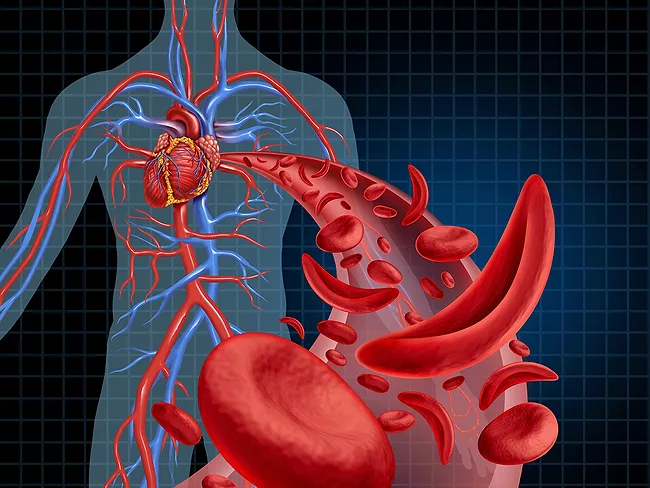
Barring truly major surprises, exagamglogene autotemcel (Exa-cel, Vertex Pharmaceuticals Inc.) is on track to become the first approved CRISPR-based gene editing therapy. It is partly in expectation of Exa-cel’s approval that the European Hematology Association (EHA) and the European Society for Bone Marrow Transplantation hosted a session on “transplantation versus gene therapy in sickle cell disease.”
Researchers have ameliorated both monogenic and complex inflammation-driven diseases through transplantation of hematopoietic stem cells with an inserted IL-1 receptor antagonist (IL-1RA) gene. The team showed that in animal models the transplanted cells worked better than monoclonal antibodies to reduce symptoms in systemic autoinflammatory diseases (SAIDs), a group of childhood-onset, lifelong diseases that vary in severity depending on the underlying mutation, but can be life-threatening.
“One of the many reasons we don’t have effective therapies for AD at the moment ... is that we don’t understand the beginnings of the disease,” Constanze Depp told BioWorld. Understanding those beginnings is likely to be a necessary prerequisite for truly turning the tide on Alzheimer’s disease (AD). “The brain is so bad at repairing itself, and once a neuron is lost, it will most likely not regenerate,” she elaborated. Now, Depp and her colleagues have reported on a contributor to those beginnings.
By interfering with mitochondrial plasticity, researchers have succeeded in attenuating brain metastases of HER2-expressing breast tumors. The authors wrote that their findings “highlight targeting mitochondrial dynamics is a viable therapeutic opportunity to limit both brain tumors and metastasis.”
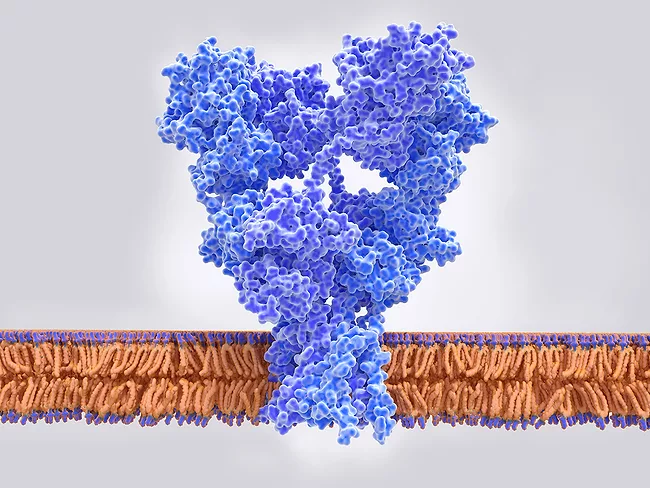
Researchers have discovered that a subunit of the ubiquitin-proteasome system acted independently of the proteasome machinery to regulate AMPA receptors, a type of glutamate receptor, at multiple steps of their life cycle. Published in the May 26, 2023, issue of Science, the findings could point to ways to target AMPA receptors. They are responsible for the majority of excitatory transmission in the central nervous system, and current drugs seeking to influence AMPA-based transmission are “good but they are not great,” Erin Schuman told BioWorld. “This regulatory particle is watching the glutamate receptor at each step.” Schuman is the director of the Max Planck Institute for Brain Research and the paper’s senior author.
Researchers have used cell culture experiments to understand how gene expression was affected in a patient with a rare pain insensitivity syndrome, and have identified a network of hundreds of genes whose expression was changed compared to sex-matched controls. Published online in the journal Brain on May 23, 2023, the research is one step toward translating a rare mutation into medications that could provide benefits for common ailments.
Long-term brain recordings from four patients with chronic pain have led investigators at the University of California at San Francisco to identify brain signals that could serve as biomarkers for each individual patients’ pain. The study, which was published online in Nature Neuroscience on May 22, 2023, demonstrated that “chronic pain can successfully be tracked, can successfully be predicted, in the real world while patients are ... going about their lives,” lead author Prasad Shirvalkar told reporters at a press conference announcing the findings. Shirvalkar is a neurologist at the University of California at San Francisco.