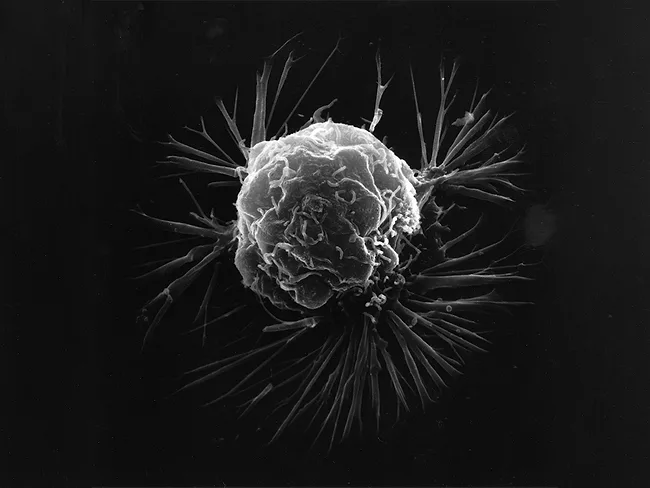
Australian biopharma Immutep Ltd. saw its stock price jump 165% Dec. 10, as the company reported that adding its eftilagimod alpha (IMP-321, “efti”) to paclitaxel resulted in what the company called a “promising and improving” trend toward increased overall survival in women with metastatic hormone receptor-driven breast cancer.
Keeping you up to date on recent developments in diagnostics, including: Predicting breast cancer recurrence, Comparing SARS-CoV-2 PCR tests, Paying attention to the little guy in proteomics, Increasing biomarker reproducibility
Data presented at the 2020 San Antonio Breast Cancer Symposium (SABCS) – held, of course, in cyberspace and not San Antonio this year – added to the evidence that adding Verzenio (abemaciclib, Eli Lilly and Co.) to endocrine therapy for up to two years benefited women with high-risk, early stage hormone receptor-driven and HER2-negative breast cancer.
Keeping you up to date on recent developments in oncology, including: New theranostic nanoparticle design combines DNA wireframe and Sgc8c aptamer; Bolting TLR agonist to antibody converts cold tumors; Rule-based screening for degraders; How stress disrupts tumor cell sleep; Combo treatment shows efficacy in treatment of ALL.
Keeping you up to date on recent developments in diagnostics, including: Quantum nanodiamonds could improve disease detection; Field-friendly approach could aid in malaria control; Equine encephalitis’ entry elucidated.
Keeping you up to date on recent developments in oncology, including: New assay may aid in the use of proteases as diagnostic for a range of cancers; New vulnerability in ‘KL’ KRAS subtype; Ferropoptosis gains new credibility as cancer treatment.
BioWorld looks at translational medicine, including: Overfeeding slows down liver’s response to glucose changes; Oncolytic virus combines best of both immune worlds.