It’s been a year since U.S. FDA Commissioner Robert Califf first started talking about reforming the agency’s advisory committee process. Now the FDA is moving beyond talking about it to listening. The agency has scheduled an all-day listening session June 13 to get feedback on optimizing the use of adcoms and the processes involved.
Looking beyond the U.S. biopharma industry, Sen. Bernie Sanders (I-Vt.) is now pushing the International Federation of Pharmaceutical Manufacturers and Associations to get on board with the World Health Organization’s proposed Pandemic Accord aimed at making diagnostics, treatments and vaccines available to everyone who needs them.
Looking beyond the U.S. biopharma industry, Sen. Bernie Sanders (I-Vt.) is now pushing the International Federation of Pharmaceutical Manufacturers and Associations to get on board with the World Health Organization’s proposed Pandemic Accord aimed at making diagnostics, treatments and vaccines available to everyone who needs them.
The U.S. FDA issued a revised draft guidance, “Promotional labeling and advertising considerations for prescription biological reference and biosimilar products,” to help ensure promotional communications involving reference biologics or their follow-ons are accurate, truthful and not misleading.
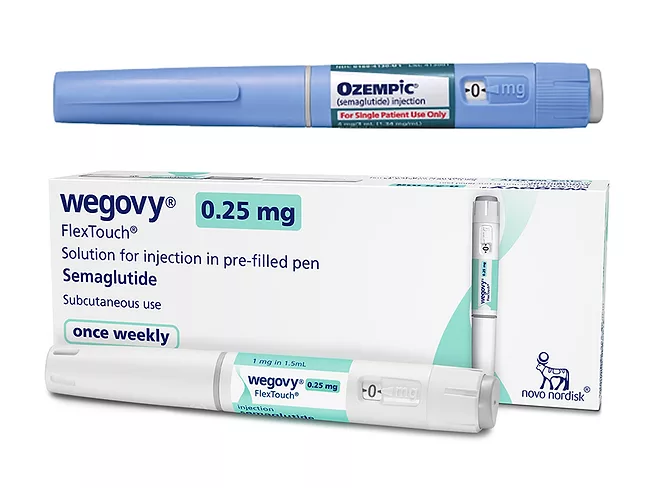
There was a time not that long ago when Merck & Co. Inc.’s Keytruda (pembrolizumab), with its multiple cancer indications, was seen as the heir apparent to Humira’s title of the biggest blockbuster drug. Not anymore. That title now belongs to Novo Nordisk A/S’ semaglutide, approved as Ozempic in 2017 to treat diabetes and as Wegovy in 2021 to help with weight loss.
Having addressed the manufacturing issues that resulted in a few complete response letters, Alvotech Holdings SA and Teva Pharmaceutical Industries Ltd.’s biosimilars partnership is now on a roll, with the U.S. FDA approving the team’s second biosimilar, Selarsdi, less than two months after approving the first one, Simlandi, as an adalimumab interchangeable.
The timing is ripe for a robust biosimilar market in China, given the rapid increase of novel biologics approved to treat cancer and inflammatory diseases in the country over the past decade and the looming patent cliffs for several established biologics. As of December, the NMPA had approved more than 20 biosimilars that were developed in China. Most of those referenced just two biologics – Roche AG’s cancer drug Avastin (bevacizumab) and Abbvie Inc.’s immunology drug Humira (adalimumab). In 2022, the oncology and immunology biosimilar market in China garnered sales of about $2 billion, according to Clarivate estimates. To reach their full potential in China though, biosimilars must win over prescribers and patients.
To take clinical trial innovation to the next level, the U.S. FDA’s Center for Drug Evaluation and Research (CDER) is opening the CDER Center for Clinical Trial Innovation. The center, known as C3TI, “will be a central hub within CDER to support the implementation of innovative approaches to clinical trial design and conduct,” said Kevin Bugin, CDER’s lead for C3TI and deputy director of operations in the Office of New Drugs.
Some gene therapies could be big winners under the changes the U.S. Centers for Medicare & Medicaid Services (CMS) is proposing to Medicare’s new technology add-on program (NTAP) for its fiscal 2025 inpatient prospective payment system.
With credit card fees taking a sizable bite of their billings, many U.S. health care providers are fighting back by offering patients cash discounts. But when a drug company covers card processing fees for its distributors to pass on to their provider clients so they can pay for so-called “buy-and-bill” Medicare Part B drugs with a credit card at cash prices, it’s fraud if those concessions aren’t figured into the drug’s average sales price – at least that’s what the U.S. Department of Justice is claiming in a complaint it released April 10 against Regeneron Pharmaceuticals Inc.