While some states are beginning to double down on the prices they pay for prescription drugs, the state of Colorado is taking it to a whole new level with its Prescription Drug Affordability Review Board that was empowered to set maximum prices of prescription drugs it considers “unaffordable.”
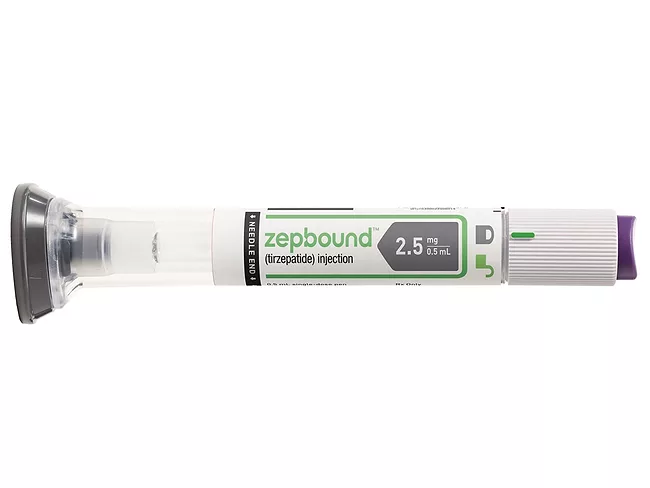
When it comes to whether Medicare Part D should cover the new anti-obesity drugs, the U.S. Centers for Medicare & Medicaid Services and lawmakers may be caught between the math and public pressure.
Kevin Dills, who the U.S. SEC said secretly controlled Oncology Pharma Inc., consented to a final civil judgment in federal district court related to a fraudulent stock-selling scheme.
Although there’s bipartisan interest in the U.S. Congress to hold pharmacy benefit managers (PBMs) accountable for their contribution to the costliest drug prices in the world, the Biden administration ignored PBMs when it again focused on drug companies as the bad guys of pricing in its proposed 2025 budget.
An MHRA investigation that began in the U.K. 16 years ago has concluded with Kamlesh Vaghjiani, a former director of Kappin Ltd., being sentenced to concurrent prison sentences of eight and seven months, both of which are suspended for a year and a half.
Real life economics, not functionality, is the standard for determining a relevant antitrust market for distinct versions of a prescription drug, the U.S. Court of Appeals for the Second Circuit said as it schooled a lower court and handed Regeneron Pharmaceuticals Inc. a win in its ongoing litigation with Novartis AG and Vetter Pharma International GmbH over the prefilled syringe market for eye drugs Eylea (aflibercept) and Lucentis (ranibizumab).
The U.S. Court of Appeals for the Third Circuit may have ruled last year that the Department of Health and Human Services doesn’t get to fill in the gaps in the law that created the 340B prescription drug discount program, but some states and lawmakers are coming up with their own workarounds to force drug manufacturers to give the discounts to an unlimited number of contract pharmacies.
At first glance, the number of drugs that received accelerated approval from the U.S. FDA’s Center for Drug Evaluation and Research (CDER) in 2023 was nothing to write home about. Yes, CDER granted nine accelerated approvals last year, up from six in 2022. But the proportion of novel drugs with accelerated approval was 16% both years. And when compared with the 12 drugs in 2020 and the 14 that received accelerated approval in 2021, last year’s crop was a little lackluster. However, a deeper look at the 2023 class of accelerated approvals shows a historic milestone. For the first time since the path was created in 1992, the number of novel biologics getting accelerated approval at CDER outpaced the number of small-molecule drugs.
After hearing two conflicting presentations of the safety and efficacy of Geron Corp.’s imetelstat, the U.S. FDA’s Oncology Drugs Advisory Committee (ODAC) voted 12-2 March 14 that the drug’s benefit outweighed its risks as a treatment for transfusion-dependent anemia in adults with low- to intermediate-1 risk myelodysplastic syndromes in patients who have failed or no longer respond to erythropoiesis stimulating agents (ESAs), or who are not eligible for ESA treatment.
There’s no denying that Johnson & Johnson’s Carvykti (ciltacabtagene autoleucel) and Bristol Myers Squibb Co.’s Abecma (idecabtagene vicleucel) show clinical benefit as they seek to move up in the line of treatment for relapsed or refractory multiple myeloma. But the question that will be put to the U.S. FDA’s Oncology Drugs Advisory Committee March 15 is whether the benefit outweighs a risk of early deaths seen with both CAR T therapies.