The U.S. biopharma and med-tech industries are adding their voice to that of Gilead Sciences Inc. in urging the California Supreme Court to review the Gilead Tenofovir Cases, which seek to hold the drug company liable for how and when it developed its pipeline of HIV drugs.
Novo Nordisk A/S is the latest drug company to be challenged by U.S. Sen. Bernie Sanders (I-Vt.), who has made tilting at prescription drug prices one of the hallmarks of his tenure as chair of the Senate Health, Education, Labor and Pensions (HELP) Committee.
Thanks to technological advances, the U.S. FDA is reducing the quantity of reserve drug samples that must be retained from bioavailability and bioequivalence studies.
While some states are beginning to double down on the prices they pay for prescription drugs, the state of Colorado is taking it to a whole new level with its Prescription Drug Affordability Review Board that was empowered to set maximum prices of prescription drugs it considers “unaffordable.”
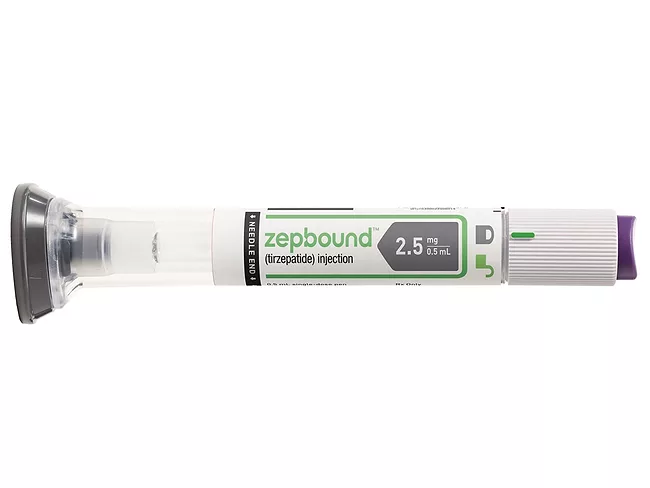
When it comes to whether Medicare Part D should cover the new anti-obesity drugs, the U.S. Centers for Medicare & Medicaid Services and lawmakers may be caught between the math and public pressure.
Kevin Dills, who the U.S. SEC said secretly controlled Oncology Pharma Inc., consented to a final civil judgment in federal district court related to a fraudulent stock-selling scheme.
Although there’s bipartisan interest in the U.S. Congress to hold pharmacy benefit managers (PBMs) accountable for their contribution to the costliest drug prices in the world, the Biden administration ignored PBMs when it again focused on drug companies as the bad guys of pricing in its proposed 2025 budget.
An MHRA investigation that began in the U.K. 16 years ago has concluded with Kamlesh Vaghjiani, a former director of Kappin Ltd., being sentenced to concurrent prison sentences of eight and seven months, both of which are suspended for a year and a half.
Real life economics, not functionality, is the standard for determining a relevant antitrust market for distinct versions of a prescription drug, the U.S. Court of Appeals for the Second Circuit said as it schooled a lower court and handed Regeneron Pharmaceuticals Inc. a win in its ongoing litigation with Novartis AG and Vetter Pharma International GmbH over the prefilled syringe market for eye drugs Eylea (aflibercept) and Lucentis (ranibizumab).
The U.S. Court of Appeals for the Third Circuit may have ruled last year that the Department of Health and Human Services doesn’t get to fill in the gaps in the law that created the 340B prescription drug discount program, but some states and lawmakers are coming up with their own workarounds to force drug manufacturers to give the discounts to an unlimited number of contract pharmacies.