Hoping its drug, daprodustat, can succeed in the U.S. where two other hypoxia-inducible factor prolyl hydroxylase inhibitors (HIF-PHIs) have failed so far, GSK plc will present its case Oct. 26 to the FDA’s Cardiovascular and Renal Drugs Advisory Committee for the drug's potential use as a treatment for anemia in patients with chronic kidney disease regardless of dialysis dependency.
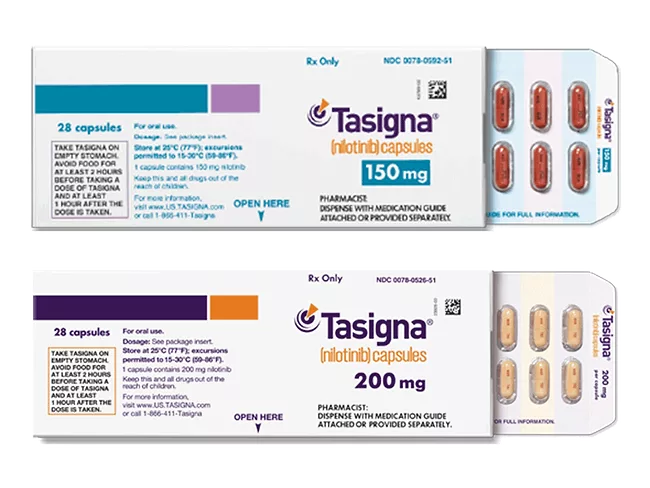
Expanding its mandate to accelerate access to essential medicines to people in low- and middle-income countries, the Medicines Patent Pool signed its first voluntary licensing agreement for a cancer treatment, Novartis AG’s Tasigna (nilotinib). A twice-daily oral drug, Tasigna is a tyrosine kinase inhibitor included on the World Health Organization’s Model List of Essential Medicines as a second-line treatment for adult and pediatric chronic myeloid leukemia.
Expanding its mandate to accelerate access to essential medicines to people in low- and middle-income countries, the Medicines Patent Pool signed its first voluntary licensing agreement for a cancer treatment, Novartis AG’s Tasigna (nilotinib). A twice-daily oral drug, Tasigna is a tyrosine kinase inhibitor included on the World Health Organization’s Model List of Essential Medicines as a second-line treatment for adult and pediatric chronic myeloid leukemia.
In a bit of déjà vu, the U.S. FDA’s Obstetrics, Reproductive and Urologic Drugs Advisory Committee once again voted that Makena (hydroxyprogesterone caproate) should be withdrawn from the U.S. market while a second confirmatory trial is designed and conducted. But this time around, the committee’s 14-1 vote was much more decisive than its 9-7 vote in 2019.
The White House laid out several timelines Oct. 18 as part of a national biodefense strategy for countering biological threats and enhancing global pandemic preparedness.
The FDA’s Center for Drug Evaluation and Research (CDER) came out punching Oct. 17 at the start of a three-day hearing before the Obstetrics, Reproductive and Urologic Drugs Advisory Committee on whether Covis Pharma BV’s Makena (17-hydroxyprogesterone caproate), a branded version of a drug that’s been used since 1956 to prevent preterm births, should be withdrawn from the market.
Prescription drug names are generally invented words that are often easier to spell than they are to pronounce. And, for the most part, they’re meaningless until they’ve been associated with a drug.
Many industry watchers are looking to 2023’s Humira biosimilar launch in the U.S. as a portent of the future of biosimilars. While it should help raise awareness of biosimilars in general and produce savings in the immunology sector, its distinctness could make it an outlier in the world of current and future biosimilar competition.
Upheaval at the Biotechnology Innovation Organization (BIO) has resulted in a sudden leadership change. Rachel King, a longtime member of the organization’s leadership and co-founder and former CEO of Glycomimetics Inc., will serve as interim president and CEO.
Even though the EU had approved more than a dozen biosimilars by 2012, the follow-on biologics were still in their embryonic stage around the world when BioWorld published The Biosimilars Game: A Scorecard for Opportunities, Threats and Critical Strategies in early 2013. Now, nearly a decade later, the global biosimilar landscape has matured with many more biosimilars approved across the globe, but the uptake, and thus the savings, is not what some policy makers and people in industry had hoped for or expected.