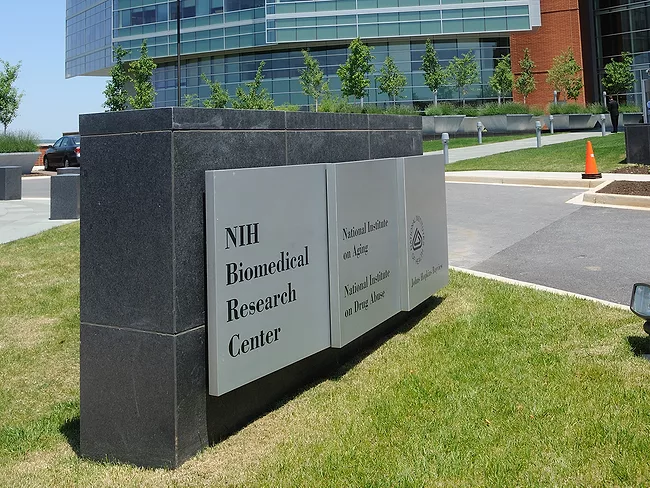
Driven by prescription drug prices and oft-repeated claims that nearly every drug developed in the U.S. owes its origins to taxpayer-funded research, watchdog groups and some lawmakers have led demands over the years for price to be considered a “reasonableness” factor in determining whether the government can march in on patents under the Bayh-Dole Act.
With CE-marked products accounting for about 90% of medical devices currently used in Great Britain, the Medicines and Healthcare products Regulatory Agency (MHRA) is considering proposals for a path forward that would help the U.K. achieve its goal of becoming a leading country for med-tech access by 2030.
More than a decade after it was first proposed, the U.S. Precision Medicine Initiative that grew into the NIH’s All of Us dataset has reached its target of collecting genetic and health-related data from 1 million Americans representative of the diversity across the country.
Undeterred by all the unsuccessful biopharma suits challenging the U.S. Medicare price negotiations, Abbvie Inc. filed its own complaint Feb. 11 in the U.S. District Court for the District of Columbia, seeking to undo CMS’ selection of Botox in the third round of the negotiations.
Novo Nordisk A/S’ television ad introducing the tablet form of its weight-loss drug, Wegovy (semaglutide), to American consumers didn’t pass regulatory muster.
True to its word, Novo Nordisk A/S filed a patent infringement lawsuit in U.S. district court against Hims & Hers Health Inc. over compounded versions of Novo’s semaglutide products.
Trumprx.gov launched with much fanfare late Feb. 5, and the online tool brings promise for the “world’s lowest prices” on prescription drugs. Alongside the website hoopla came word from Hims & Hers Health of its own steep discounts on what’s to be the compounded version of a Trumprx-featured therapy: oral Wegovy (semaglutide) for obesity. Novo Nordisk A/S, Wegovy’s originator, vowed to fight.
In keeping with the congressional practice of passing major NIH reform legislation every 10 years, the U.S. Senate Health, Education, Labor and Pensions (HELP) Committee took the first step in looking at what can be for the NIH while unburdening it from what has been over the past few years.
In a one-two-punch to pharmacy benefit managers (PBMs), the U.S. FTC announced Feb. 4 what it’s calling a “landmark settlement” with the Cigna Group’s Express Scripts Inc. and its affiliates that will require fundamental changes to the company’s business practices.