The U.S. path forward is narrowing for Vanda Pharmaceuticals Inc.’s tradipitant as a treatment for gastroparesis, a serious disorder for which there’s been no new treatment in several decades.
What do a patent dispute over a CRISPR/Cas system, a rejected whistleblower case involving lab tests and a vaccine injury claim parading as multidistrict tort litigation have in common? All three were denied cert in the U.S. Supreme Court’s latest orders list.
Introduced last year as a pilot program, the U.S. FDA Commissioner’s National Priority Voucher (CNPV) could be here to stay – at least for the duration of Marty Makary’s tenure as FDA commissioner. Since the FDA unveiled the CNPV last June, it has welcomed 18 products from 16 companies into the “game-changer” program for patients, as Makary described it. The goal is to provide an “ultrafast review pathway,” one to two months instead of the standard 10 to 12 months, for drugs and biologics of strategic national importance while maintaining the FDA’s scientific and regulatory standards, according to the agency.
With all the focus of late on the U.S. CDC’s Advisory Committee on Immunization Practices (ACIP), the FDA’s 30-plus advisory committees have been flying under the radar, especially since many of them haven’t met for a few years now.
Repeated promotional claims Patrick Soon-Shiong made about Immunitybio Inc.’s Anktiva – such as “We have now discovered and developed this drug … approved for bladder cancer, but it actually can treat all cancers” – landed the Culver City, Calif., company a strongly worded warning letter from the U.S. FDA.
Chaos continues at the U.S. CDC and its Advisory Committee on Immunization Practices (ACIP) with the resignation of ACIP member Robert Malone and the impending deadline for the president to nominate a new CDC director following the dramatic exit last year of Susan Monarez and months of acting directors.
A five-year reauthorization of the U.S. Small Business Innovation Research (SBIR) and Small Business Technology Transfer programs is just the president’s signature, or a few days, away.
Crushing the hopes of drug and device companies, the U.S. Supreme Court’s March 23 orders list showed it denied cert in Takeda Pharmaceutical v. Painters & Allied Trades, which sought to rein in the expansion of class action lawsuits.
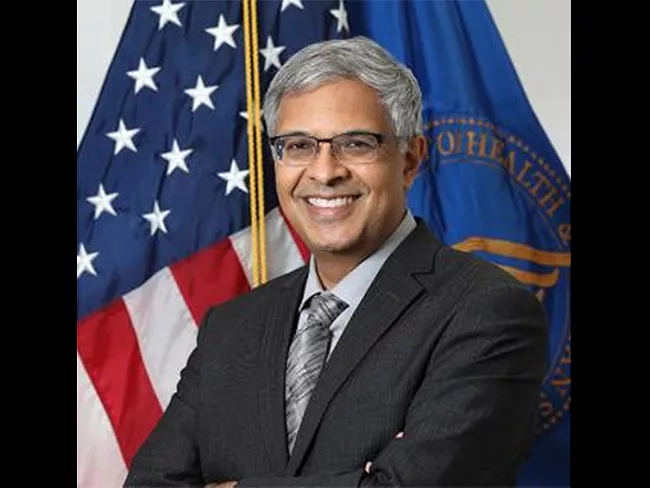
NIH Director Jay Bhattacharya is being fact-checked on his off-the cuff responses at a Senate Health, Education, Labor and Pensions Committee hearing in February. The fact-checkers are nine Democratic lawmakers from Massachusetts, only one of whom (Sen. Ed Markey) is on the committee and attended the hearing. In fact, seven of those signing the March 17 letter that questioned Bhattacharya’s veracity aren’t senators. They serve in the House.
In what the U.S. FDA has dubbed a milestone move toward fewer animal studies in drug development, the agency published a draft guidance to help sponsors validate new approach methodologies that can bring safe, effective drugs to market sooner based on human-centric data rather than starting off with nonclinical animal pharmacology and toxicology data.