Two separate insider trading tips involving a biopharma acquisition and trial results for Pfizer Inc.’s COVID-19 antiviral, Paxlovid, allegedly netted millions of dollars in “ill-gotten” trading profits, according to U.S. SEC complaints announced June 29.
One of the companies wanting to be part of the upcoming U.S. launch of Humira biosimilars is instead exploring options to raise additional capital so it can continue advancing its biosimilar pipeline in the near term. Alvotech Holdings SA, a pure-play biosimilars company based in Iceland, initially had hoped for FDA approval June 28 for AVT-02, developed as both an interchangeable and biosimilar to the high-concentration formulation (HCF) of Abbvie Inc.’s blockbuster autoimmune drug, Humira (adalimumab).
Despite imperfect data and the use of post hoc analyses to overcome a failed endpoint, the U.S. FDA’s Endocrinologic and Metabolic Drugs Advisory Committee voted 10-4 June 28 that Ipsen SA’s ultra-rare bone disease drug, palovarotene, demonstrated efficacy in treating patients with fibrodysplasia ossificans progressiva (FOP).
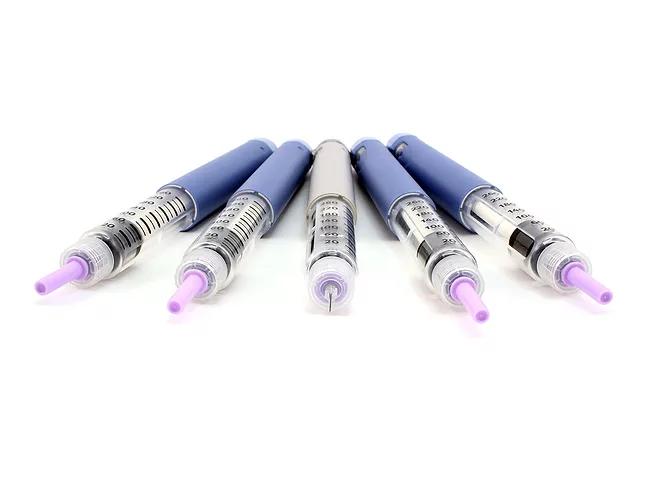
With the biggest biosimilar launch in the U.S. just days away, Humira’s (adalimumab) record-breaking ride is quickly slowing down, but the Abbvie Inc. mega-blockbuster immunology drug is nowhere near the end of its road. Meanwhile, the U.S. journey is just beginning for the eight adalimumab biosimilars that could come to market as early as July 1 through licensing agreements with Abbvie. Besides revving their engines against Humira, the new launches will be looking to overtake Amgen Inc.’s biosimilar, Amjevita, which got a five-month headstart in the U.S., thanks to the first-mover status Amgen earned for being the first to sign a licensing agreement with Abbvie.
After nearly 10 years in clinical development and just a few months after an EMA rejection, Ipsen SA will be making its case June 28 before a U.S. FDA advisory committee for its ultra-rare bone disease drug, palovarotene.
In releasing a revised guidance June 30 detailing the requirements of the new Medicare Drug Price Negotiation Program, the U.S. Centers for Medicare & Medicaid Services addressed some of the issues raised in recent constitutional challenges to the guidance and the underlying negotiation provision in the Inflation Reduction Act.
The U.S. FTC picked up six allies in its unprecedented effort to stop Amgen Inc.’s $27.8 billion acquisition of Horizon Therapeutics plc, as the attorneys general for California, Illinois, Minnesota, New York, Washington and Wisconsin joined the agency in signing onto an amended complaint filed under seal June 22 in the U.S. District Court for the Northern District of Illinois.
The floodgates have opened for challenges to the new U.S. drug price negotiation process laid out in the Inflation Reduction Act (IRA) that was narrowly passed last year.
Rather than waiting on the courts to sort out the 340B dispute between the U.S. Department of Health and Human Services (HHS) and prescription drug manufacturers, a group of senators is looking for bipartisan legislative solutions that would infuse the drug discount program with more accountability, certainty, oversight and transparency.
Bristol Meyers Squibb Co. (BMS) joined the Inflation Reduction Act (IRA) pile-on June 16, filing a third constitutional challenge to the U.S. Medicare drug price negotiations mandated in the law that was narrowly passed last year on a partisan vote.