Acting on its new promise to restore “rigorous enforcement” of the U.S. ban on unfair methods of competition, the FTC filed an amicus brief Nov. 10 supporting Avadel CNS Pharmaceuticals LLC’s motion to delist a Jazz Pharmaceuticals Inc. patent from the FDA’s Orange Book.
In addition to the Medicare inflation rebate and the other pricing reforms of the Inflation Reduction Act, manufacturers of certain Part B drugs will be subject to a refund provision tucked away in the Infrastructure Investment and Jobs Act that was signed into U.S. law last year.
The U.S. FDA hit a Phoenix-based Abraxis Biosciences LLC facility with a warning letter citing out-of-control aseptic manufacturing processes for Abraxane (paclitaxel), a key chemotherapy drug. The letter, posted Nov. 8, noted that multiple media fill failures occurred last year during simulated aseptic processing operations on the Abraxane filling line.
Election day has come and gone in the U.S., but the question of which party will control Congress remains unanswered, signaling that the country is as divided as ever politically and ideologically. While Democrats and Republicans may agree on problems in the life sciences sector, they often disagree on how to address them.
Europe is losing its innovative edge in biopharma, especially when it comes to advanced therapy medicinal products, including tissue, gene and cell therapies used to prevent, treat and cure rare conditions and some cancers.
It’s taken eight years of jury trials, court reversals and appeals for Amgen Inc. to get the nod to argue its case before the U.S. Supreme Court on what is needed to meet the enablement standard for functional patent claims that envelop a genus.
Reflecting statutory and regulatory requirements added over the past five years, the U.S. FDA is issuing a revised draft question-and-answer (Q&A) guidance on expanded access to investigational drugs. One of several guidances recently issued, the 40-page draft incorporates requirements from the 21st Century Cures Act and the 2017 FDA Reauthorization Act that took effect after the current final Q&A guidance was updated in 2017. It also answers new questions sponsors have raised over the past few years.
With only a week to go before the Nov. 8, 2022 midterm election in the U.S., speculation is growing over what the 118th Congress will look like and what it will mean for the biopharma and med-tech industries. If Republicans flip either chamber, it would prevent either party from using the reconciliation process, which requires the barest majority in the Senate, to pass legislation such as the Inflation Reduction Act with its provisions giving the federal government some control over prescription drug prices.
GSK plc may have pushed the door open Oct. 26 for the use of a new class of oral drugs to treat anemia in U.S. patients with chronic kidney disease who are dialysis dependent. The U.S. FDA’s Cardiovascular and Renal Drugs Advisory Committee voted 13-3 that the benefits of GSK’s daprodustat outweighed the risks in that population. However, the committee didn’t push the door wide enough for patients not on dialysis, voting 5-11 on the question of whether the drug’s benefits outweighed its risk in the nondialysis population, even though that group conceivably could see a greater benefit. The test now is whether the FDA will follow the committee’s lead.
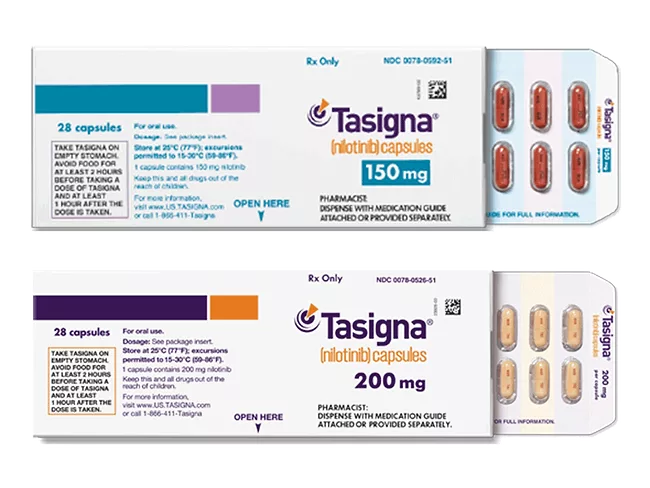
Expanding its mandate to accelerate access to essential medicines to people in low- and middle-income countries, the Medicines Patent Pool signed its first voluntary licensing agreement for a cancer treatment, Novartis AG’s Tasigna (nilotinib).