A combination of Epstein-Barr virus (EBV) antibodies and genetic factors may be linked to an increased risk of multiple sclerosis (MS), according to a study led by scientists at Karolinska Institutet and Stanford University. “The Epstein-Barr virus has been a suspect for many years for having a role in causing MS. The evidence for it has increased though one has not really reached complete proof of its role,” Tomas Olsson told BioWorld.
Researchers at the University of California San Diego have uncovered a key mechanism underlying the treatment resistance of melanoma with the BRAF V600E mutation through pathways involved in focal adhesion and extracellular matrix (ECM) remodeling. These two processes remodel the tumor cell environment in melanoma through the RAF/MEK cell signaling pathway. However, the combined use of FAK inhibitors with a RAF-MEK clamp overcame this resistance.
Multiple endogenous retroviruses (ERVs) in human DNA may be programmed to activate as cancer therapy. A recent study, led by scientists at the Dana-Farber Cancer Institute, expanded on a previously reported case of kidney cancer cure after hematopoietic stem cell transplantation attributed to the expression of an ERV driven by the hypoxia-inducible factor 2 (HIF2). The question was whether this finding might play out with different ERVs and different types of cancer through HIF.
The lung and thrombosis may play a key role in cancer and metastasis progression, according to a collaborative study led by Cornell University scientists.
A new version of Evo, the AI developed at the Arc Institute that can be used to design genomes as long as that of a bacterium, has been retrained with the DNA sequences of three domains of life – viruses, bacteria and eukaryotes.
The lung and thrombosis may play a key role in cancer and metastasis progression, according to a collaborative study led by Cornell University scientists. In the nonmetastatic lung microenvironment of several cancer types, the development of a prothrombosis niche promotes metastasis formation through the release of small extracellular vesicles loaded with an integrin protein.
Stimulating the body’s immune defenses against a tumor can reduce or eliminate it. However, in cancer immunotherapy, when immune checkpoint inhibitors unleash the immune system, severe autoimmunity can result. A hematological technique, extracorporeal photopheresis (ECP), could offer a solution. It reduces the therapy-induced inflammation without altering antitumor immunity. According to scientists at the Universities of Basel and Freiburg, the key lies in adiponectin, a hormone produced by fatty tissue.
Two simultaneous but independent studies published in Science identified, by introducing mutants into its genome, the essential and nonessential genes of Plasmodium knowlesi, one of the malaria parasites related to the dreaded Plasmodium vivax. Their results could help in the development and prioritization of antimalarial strategies.
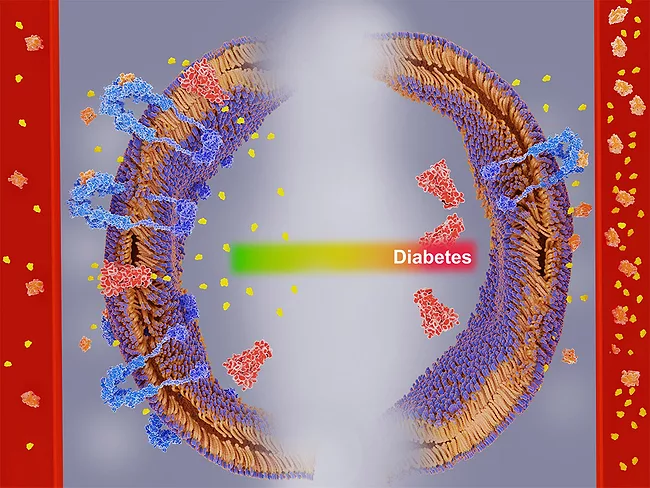
Adrenomedullin, a hormone first identified in an adrenal medullary tumor, disrupts the effect of insulin on the endothelium of blood vessels, leading to insulin resistance linked to obesity and type 2 diabetes. The clue to this discovery lies in a molecular pathway that could be blocked to restore insulin function.
Scientists at the University of Pittsburgh have tested a broadly neutralizing antibody that binds the stem of a protein against H5N1 avian influenza, which prevented severe disease in nonhuman primates and was effective for at least 8 weeks. The scientists remark on the potential of the design developed by Astrazeneca plc against a possible outbreak of the influenza A virus.