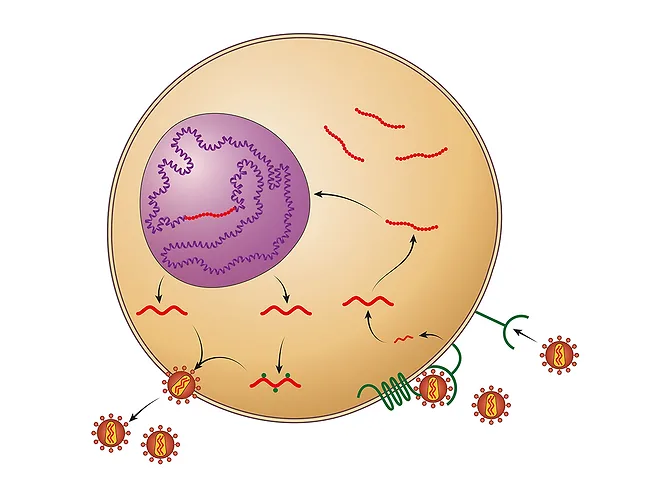
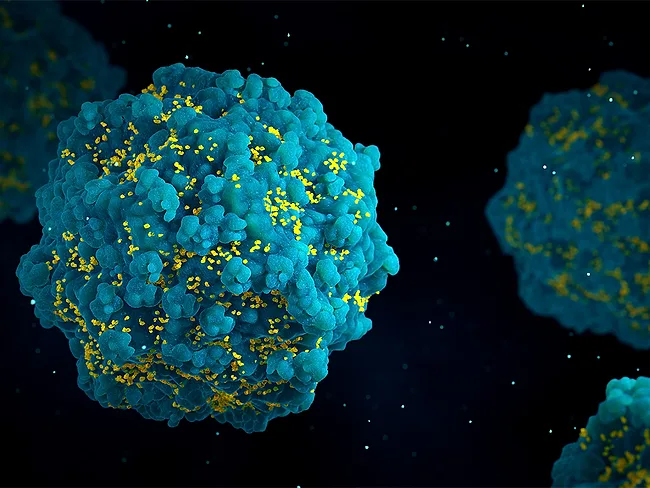
The scientific community continues to make progress at uncovering the elements that could lead to a cure for HIV. The virus remains latent in reservoirs that are difficult to eliminate, so researchers are pursuing two main strategies. The “shock-and-kill” approach aims to wake up latent virus and remove infected cells. “Block-and-lock” methods seek to silence the virus permanently. Other approaches focus on directly depleting the reservoir by making infected cells more susceptible to immune clearance or apoptosis without first reactivating viral expression.
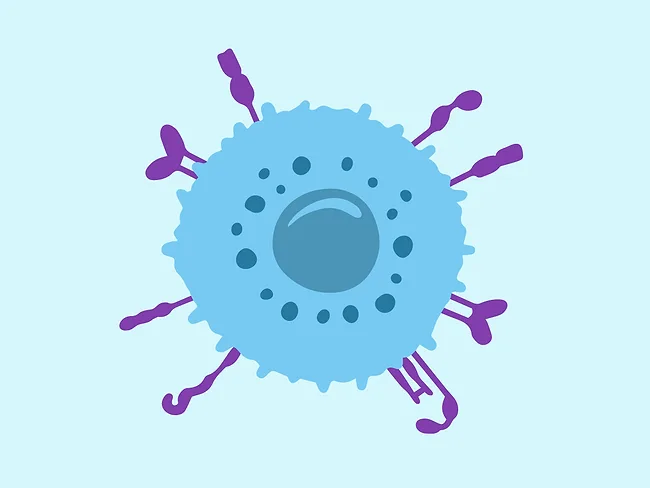
Immune-based strategies to achieve HIV remission are increasingly focusing on ways to boost the body’s ability to control persistent viral reservoirs. Among these approaches, natural killer (NK) cells could be genetically engineered to enhance their ability to recognize and eliminate HIV-infected cells and overcome viral evasion mechanisms. Researchers discussed this emerging strategy at the 26th International AIDS Conference (AIDS 2026).
Immune-based strategies to achieve HIV remission are increasingly focusing on ways to boost the body’s ability to control persistent viral reservoirs. Among these approaches, natural killer (NK) cells could be genetically engineered to enhance their ability to recognize and eliminate HIV-infected cells and overcome viral evasion mechanisms. Researchers discussed this emerging strategy at the 26th International AIDS Conference (AIDS 2026), which is taking place July 26-31, 2026, in Rio de Janeiro, Brazil.
Although antiretroviral therapy (ART) can suppress HIV to undetectable levels, a growing body of evidence suggests that the virus leaves a lasting biological imprint. At the 26th International AIDS Conference (AIDS 2026), researchers reported persistent abnormalities affecting the gut, cardiovascular system, metabolism and immune function despite effective viral control.
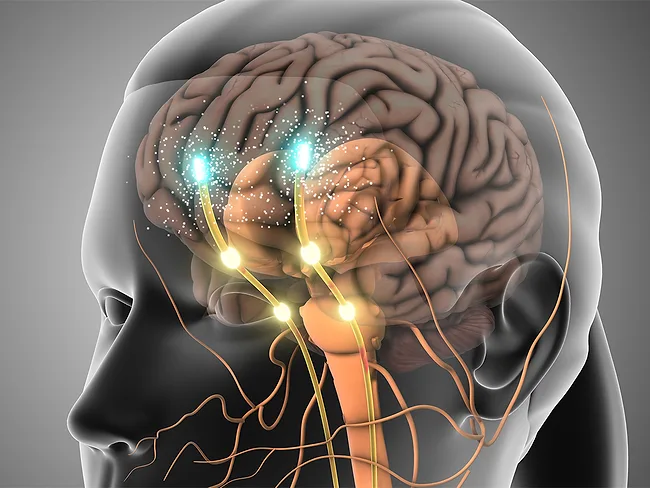
The search for better schizophrenia therapies is moving beyond dopamine toward a growing number of experimental targets. According to researchers, the repeated failures of some late-stage programs may reflect not only the complexity of the disease, but also the need to better identify the patients most likely to benefit from each approach.
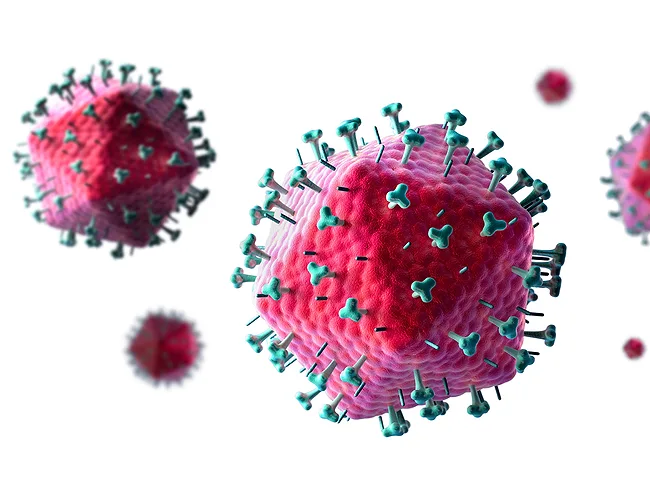
The HIV vaccine field is increasingly focusing on inducing broadly neutralizing antibodies (bNAbs) that can recognize the virus’s genetic diversity. Recent experimental approaches include germline-targeting vaccines, sequential immunization strategies, mRNA-based immunogens, and nanoparticle platforms displaying engineered HIV envelope (Env) trimers. Several studies published in 2025 and 2026 how these designs guide antibody maturation in humans and generate broad neutralizing responses in nonhuman primates, although no HIV vaccine has yet demonstrated protective efficacy in large clinical trials.
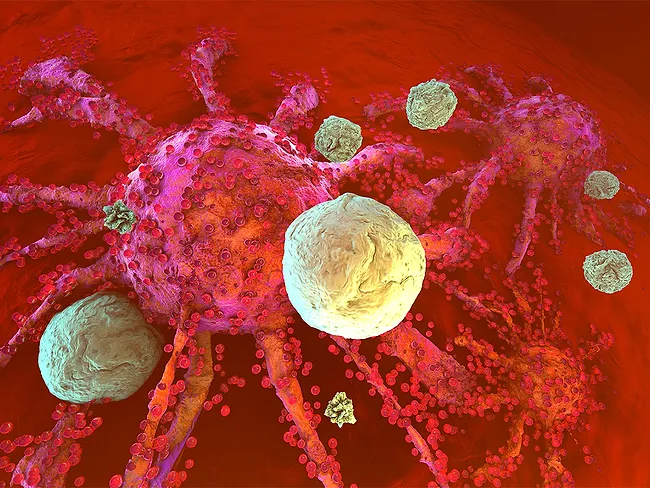
Certain cancers that contain organized clusters of immune cells known as tertiary lymphoid structures (TLS) do not respond to treatment as well as expected. Even though they have TLS that support the elimination of cancer cells, they remain resistant to immunotherapy. γ-Aminobutyric acid (GABA), better known as the brain’s major inhibitory neurotransmitter, may play a role in this lack of response by acting as an immunoregulatory metabolite, according to a study led by scientists at Sorbonne Université.
A new strategy based on regulatory T cells (Tregs) engineered with chimeric antigen receptors (CARs) has shown that cell therapies can be directed against soluble allergens to control inflammation. The findings open a potential path toward the development of antigen-specific cell therapies for allergies caused by pollen, food allergens or dust mites.
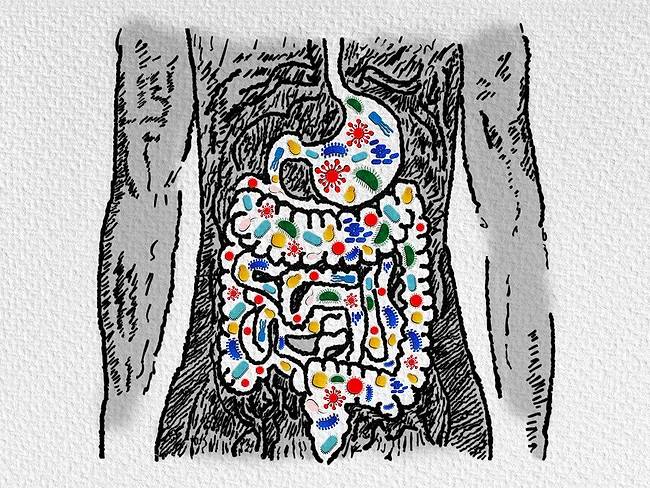
Cancer researchers are increasingly turning to the microbiome to understand why some patients respond well to treatment while others face severe complications. Gut microbial communities shift during intensive therapies such as bone marrow transplantation, and those changes influence infection risk, immune recovery and long‑term survival. New advances in microbial sequencing and engineering redefine this community as a measurable clinical parameter that can be monitored, modeled, and even therapeutically reshaped to improve outcomes in oncology and other conditions.
Cancer researchers are increasingly turning to the microbiome to understand why some patients respond well to treatment while others face severe complications. Gut microbial communities shift during intensive therapies such as bone marrow transplantation, and those changes influence infection risk, immune recovery and long‑term survival. New advances in microbial sequencing and engineering redefine this community as a measurable clinical parameter that can be monitored, modeled, and even therapeutically reshaped to improve outcomes in oncology and other conditions.