BioWorld. Link to homepage.

Clarivate
  • BioWorld
  • BioWorld Science
  • BioWorld Asia
  • Data Snapshots
    • Biopharma
    • Medical technology
    • Infographics: Dynamic digital data analysis
    • Index insights
    • NME Digest
  • Special reports
    • Infographics: Dynamic digital data analysis
    • Trump administration impacts
    • Med-tech outlook 2026
    • Under threat: mRNA vaccine research
    • BioWorld at 35
    • Biopharma M&A scorecard
    • Bioworld 2025 review
    • BioWorld MedTech 2025 review
    • BioWorld Science 2025 review
    • Women's health
    • China's GLP-1 landscape
    • PFA re-energizes afib market
    • China CAR T
    • Alzheimer's disease
    • Coronavirus
    • More reports can be found here

BioWorld. Link to homepage.

  • Sign In
  • Sign Out
  • My Account
Subscribe
BioWorld - Wednesday, April 15, 2026
Home » Authors » Mar de Miguel

Mar de Miguel

Articles

ARTICLES

PET imaging of RELN-COLBOS (H3447R) carrier brain showing limited aggregation of tau
Neurology/Psychiatric

Brain gene and cell strategies could ‘open the safe’ in neurodegenerative disorders

May 23, 2023
By Mar de Miguel
One of the challenges in designing genetic and cellular strategies is getting the therapy to the right place. This is even more complicated when it comes to the nervous system. The brain is a complex organ that contains the most differentiated and inaccessible cells in human biology. It is an impassable safe, protected by the blood-brain barrier.
Read More
Bone marrow transplant operation
Genetic/Congenital

Ex vivo autologous gene therapy risk leaves room for improvement

May 22, 2023
By Mar de Miguel
Gene therapy technology makes it possible to select diseased or mutated cells from a patient, modify them in the laboratory and reintroduce them to the body to treat different disorders. This is known as ex vivo autologous gene therapy. The difference with allogeneic cell techniques is whether the donor is oneself (autologous) or a compatible person (allogeneic), which would provide healthy cells that do not need genetic modification.
Read More
The DNA double helix overlays a field of ACGTs and binary numbers.
Genetic/Congenital

Gene editing advances progress, by moving three steps forward and two steps back

May 19, 2023
By Mar de Miguel
The discovery of DNA was a milestone in the history of science that led to a breakthrough in biomedical research. By associating disease and genetics, genome correction techniques were ultimately developed that are supposed to work in the same way that antibiotics and antivirals block pathogenic microorganisms: by directly attacking the causes of disease.
Read More
Illustration of pancreas
Endocrine/Metabolic

Gene therapy to reverse T2D shows proof of concept at ASGCT

May 18, 2023
By Mar de Miguel
The most ambitious objective of any treatment is to eradicate the disease, acting on its origin to cure it instead of treating its symptoms. This is the purpose of the gene therapy against type 2 diabetes (T2D) and obesity that Fractyl Health Inc. is developing. Scientists from the Lexington, Mass.-based company have designed a strategy based on glucagon-like peptide-1 (GLP-1) to transform pancreatic cells and reverse the disease.
Read More
Illustration showing pangenome graph
Genetic/Congenital

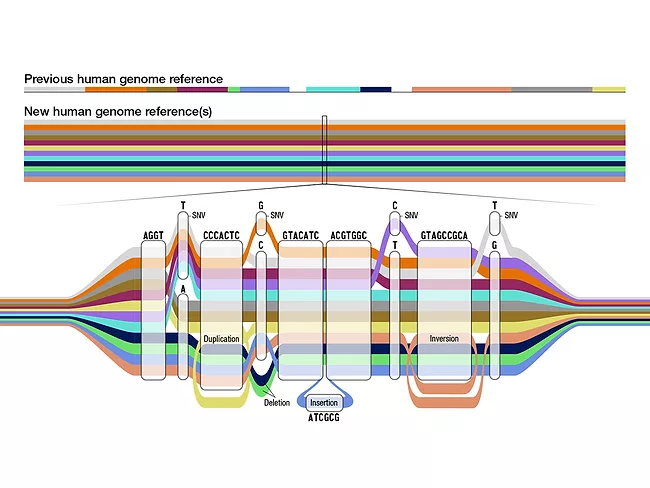
Pangenome gives more panoramic view of human diversity

May 10, 2023
By Mar de Miguel
The human genome, the sequence that represents the DNA of our species, was built with a single individual as a model. This all-in-one standard didn’t include the gene variations that make us different or explain why some people develop certain diseases. Four simultaneous studies from the Human Pangenome Reference Consortium have published a sequence based on 47 individuals, beginning to capture the genetic diversity that defines humans.
Read More
BacPROTAC degradation strategy for tuberculosis
Drug Design, Drug Delivery & Technologies

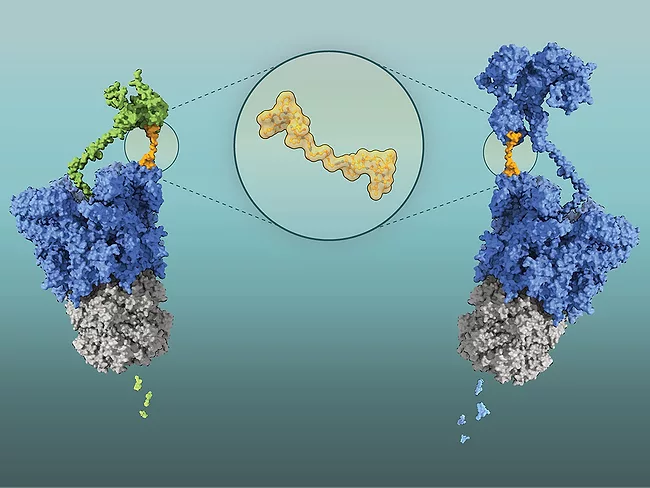
Degradation strategy prevents survival of tuberculosis bacterium

May 9, 2023
By Mar de Miguel
One way to prevent the effect of a molecule is to use the cell’s own machinery to break it down. This is what the PROTAC technology does, an acronym for proteolysis targeting chimera, or BacPROTAC, when applied to bacteria. A study led by Austrian and German scientists has demonstrated the effectiveness of this technique in eliminating the tuberculosis pathogen Mycobacterium tuberculosis (Mtb). The finding opens the door to the BacPROTAC strategy as an alternative to the development of drugs against this microorganism.
Read More
Mouse neuron.
Neurology/Psychiatric

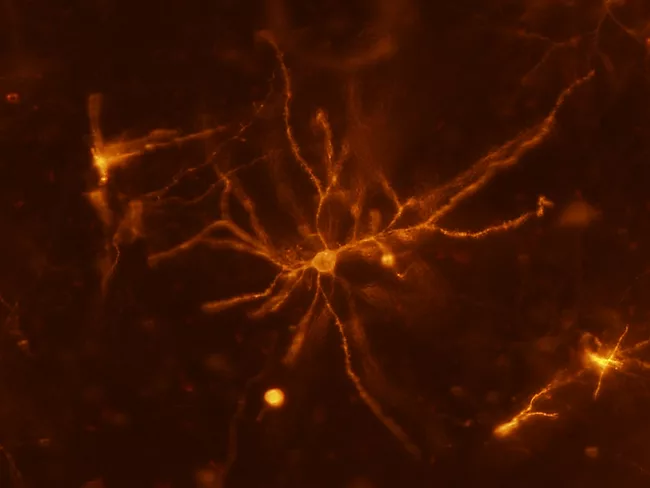
New therapeutic target for the treatment of neuropathic pain

May 5, 2023
By Mar de Miguel
Patients suffering from neuropathic pain, a chronic condition, have few treatment options and often develop tolerance to existing pain therapy that decreases its effectiveness. Now, a group of scientists from the University of Alabama at Birmingham (UAB) and the Baylor College of Medicine have described the pathophysiological mechanism of initiation, transmission and maintenance of neuropathic pain and identified a potential therapeutic target to treat it efficiently.
Read More
3D illustration of a eukaryotic cell
Endocrine/Metabolic

Giving yeast cells aging indecision increases longevity

May 4, 2023
By Mar de Miguel
Cells of Saccharomyces cerevisiae, a yeast used as a model for human mitosis, age in two ways. Both genomic instability and the decline of mitochondria cause cells to degenerate and die. The choice of one type or another depends on a network of genes that can be adjusted by bioengineering.
Read More
Neurology/Psychiatric

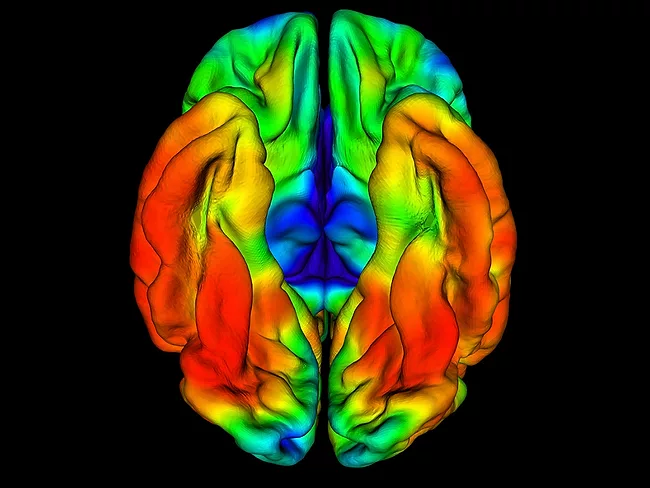
Transcriptomic atlas classifies 40 brain diseases

May 3, 2023
By Mar de Miguel
The map of the genetic activity of the risk genes that affect the central nervous system (CNS) reveals the molecular signatures associated with the neurological pathologies in this organ. A study by researchers at McGill University in Canada and the Allen Institute for Brain Science in Washington compared 40 brain diseases with this technology and classified them into five groups whose members shared the same transcriptional pattern.
Read More
Neurology/Psychiatric

Deficient synaptic pruning could explain mental health disorders during adolescence

April 27, 2023
By Mar de Miguel
The brain is plastic throughout life, but never more so than from birth to young adulthood. It increases its volume by developing dendrites and axons that connect neurons in to each other, forming new pathways to process the information that it will store. Those connections require maintenance. And if a connection is unsuccessful, better to delete it than to keep it. This is known as synaptic pruning and occurs from childhood to the age of 20. Now, a group of scientists from the University of Cambridge and Fudan University has described a neuropsychopathological (NP) factor that explains why inappropriate pruning in adolescence is related to mental health disorders.

Read More
View All Articles by Mar de Miguel

Popular Stories

  • Today's news in brief

    BioWorld
  • MMP inhibitors divulged in Accure Therapeutics patent

    BioWorld Science
    Accure Therapeutics has reported new oligopeptide derivatives acting as matrix metalloproteinase-2 (MMP-2) and MMP-9 inhibitors. As such, they are described as...
  • News in brief

    BioWorld Asia
    BioWorld Asia briefs for April 14, 2026
  • Cancer cell in the cross-hairs

    Selective CBL-B inhibitor with improved safety profile disclosed

    BioWorld Science
    CBL-B is a RING-type E3 ubiquitin ligase that acts as a negative regulator of T-cell activation, contributing to immune homeostasis by limiting excessive immune...
  • MSD discloses new HCN1/2 blockers

    BioWorld Science
    Merck Sharp & Dohme LLC (MSD) has synthesized new indazole derivatives acting as potassium/sodium hyperpolarization-activated cyclic nucleotide-gated channel 1...
  • BioWorld
    • Today's news
    • Analysis and data insight
    • Clinical
    • Data Snapshots
    • Deals and M&A
    • Financings
    • Medical technology
    • Newco news
    • Opinion
    • Regulatory
  • BioWorld Science
    • Today's news
    • Biomarkers
    • Cancer
    • Conferences
    • Endocrine/metabolic
    • Immune
    • Infection
    • Neurology/psychiatric
    • NME Digest
    • Patents
  • BioWorld Asia
    • Today's news
    • Analysis and data insight
    • Australia
    • China
    • Clinical
    • Deals and M&A
    • Financings
    • Newco news
    • Regulatory
    • Science
  • More
    • About
    • Advertise with BioWorld
    • Archives
    • Article reprints and permissions
    • Contact us
    • Cookie policy
    • Copyright notice
    • Data methodology
    • Infographics: Dynamic digital data analysis
    • Index insights
    • Podcasts
    • Privacy policy
    • Share your news with BioWorld
    • Staff
    • Terms of use
    • Topic alerts
Follow Us

Copyright ©2026. All Rights Reserved. Design, CMS, Hosting & Web Development :: ePublishing