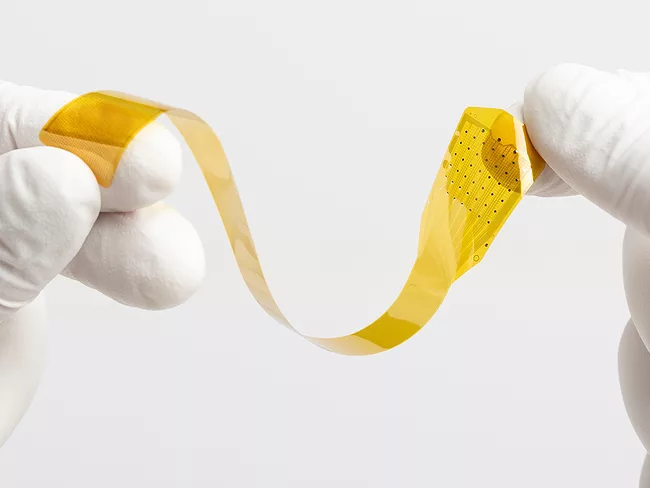
The brain-computer interface (BCI) system being developed by Precision Neuroscience Corp. is capable of capturing high-resolution brain signals and stimulating areas without damaging the cortical surface, according to a study published in Nature Biomedical Engineering.
Researchers at Heriot-Watt University received more than £475,000 ($637,000) in funding to advance clinical work on a vibroacoustic sensor which could change how eczema is diagnosed and treated.
Medtronic plc’s Brainsense adaptive deep brain stimulation system has been shown to be tolerable, effective and safe for long-term use at home in people with Parkinson’s disease. A study published in the Journal of the American Medical Association (JAMA) Neurology found that the majority of participants who received aDBS with the Percept neurostimulator achieved good ‘on-time’ without troublesome dyskinesia compared to standard continuous DBS therapy.
Convatec Group plc plans to invest more than $1 billion in the U.S. and U.K. over the next decade as it looks to accelerate its research and development (R&D) ambitions.
Roche Holdings AG reported results from its TSIX study which demonstrated that its sixth-generation Troponin T test is accurate at diagnosing heart attacks not only in men but also women. Recently granted CE mark, the Elecsys Troponin T hs Gen 6 test, demonstrated it was able to identify acute myocardial infarction (AMI) and identify those not having an AMI, with a high level of precision, ensuring that patients receive the care they need at the earliest opportunity.
Rhythm Diagnostic Systems SAS (RDS) raised €14 million (US$16.6 million) in a series A funding round for Multisense, its wearable device that continuously monitors key physiological parameters of patients in hospital or at home. Already CE-marked and deployed in approximately 15 hospitals across France, Belgium and Germany, the funds will enable RDS to expand its commercial and customer support teams and prepare reimbursement filings in key European markets, Elie Lobel, CEO of RDS, told >BioWorld.
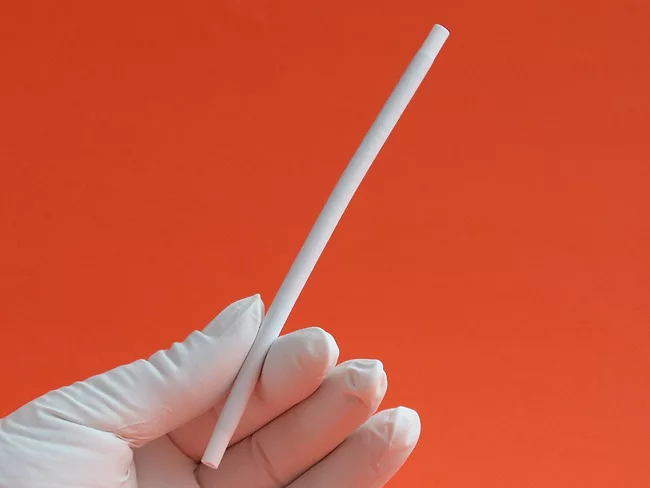
Xeltis BV reported successful clinical data from the Axess EU pivotal trial which demonstrated the transformative potential of its restorative vascular access conduit, Axess, in hemodialysis treatment.
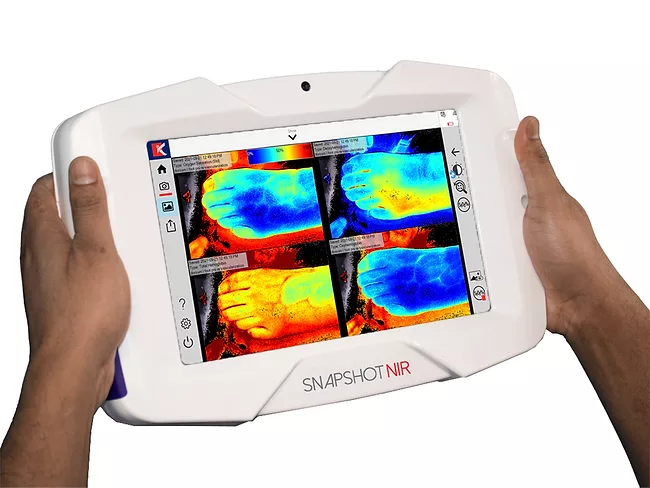
Kent Imaging Inc. received CE marking for its SnapshotNIR imaging device which uses near-infrared spectroscopy to measure oxygenated and deoxygenated hemoglobin in the microvasculature. The non-invasive point-of-care device provides real-time data to clinicians to help them make decisions which can change the trajectory of a wound, from chronic and non-healing, into a healing one, significantly improving the patient’s quality of life.
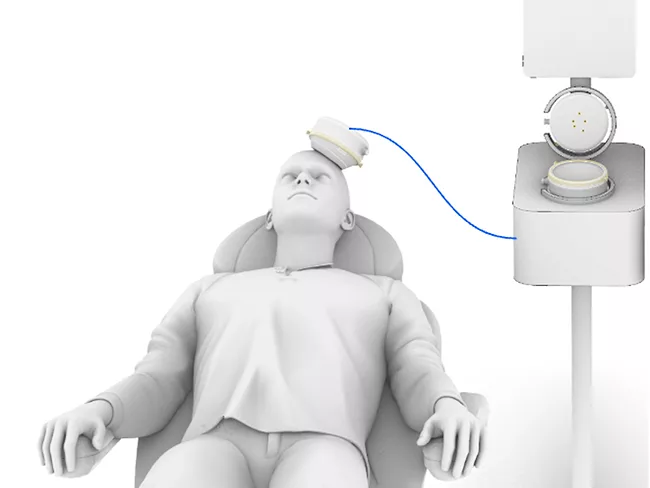
Sonomind SAS raised €3 million (US$ 3.5 million) in financing for its transcranial neuromodulation system, which targets deep regions within the brain non-invasively. The funds will go towards accelerating the development of the platform, which has already proven to be safe and effective in treating patients suffering from drug-resistant depression, after only five days of treatment.
The lack of funding available for early-stage European med-tech and AI-based companies could soon see many go under as their current backers run out of capital, and new investors fail to materialize, Hubert Birner, managing partner at TVM Capital Life Science, told BioWorld.