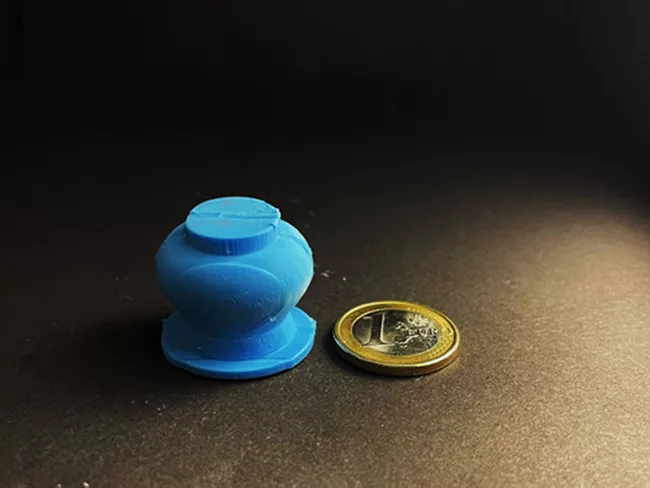
Researchers have developed a new blood collection device inspired by the behavior of a leech which attaches itself to a host, penetrates their skin with its teeth and swallows to create negative pressure drawing blood.
Dynamic Therapeutics Ltd. is looking to commercialize its U-Rhythm technology which it hopes will transform the way hormones are measured. U-Rhythm, a portable device which collects biochemical samples from the patient throughout the day, will significantly change the diagnosis and treatment of many diseases, Stafford Lightman, co-founder of Dynamic Therapeutics told BioWorld.
Lindis Blood Care GmbH recently revealed excellent data from the Remove study that showed that its Catuvab device was safe and effective in removing tumor cells from intraoperative blood during high blood loss cancer surgeries.
Despite a couple of med-tech deals transacted this year and more liquidity in the market, early-stage medical device companies in Europe continue to struggle to raise funds. To attract interest from Venture Capital (VC) funds, these companies must ensure they have a disruptive technology, be willing to change their story, and do the math to ensure that VC firms who back them can get an adequate return, investors advised at the recent LSX World Congress in London.
Precision medicine holds exciting promise for the medical device industry as it offers a range of solutions within diagnostics, digital devices and imaging, which could transform patient care, delegates heard at the LSX World Congress in London. However, there are a range of challenges ahead, including the population of clinical data, getting past the inertia of physicians and making it easier to run clinical studies.
Integra Lifesciences Holdings Corp. will not launch any new product in the EU before the U.S. because of the challenging requirements under the new Medical Device Regulation, Stuart Hart, chief medical officer at the Princeton, New Jersey-based company, told delegates at the LSX conference in London.
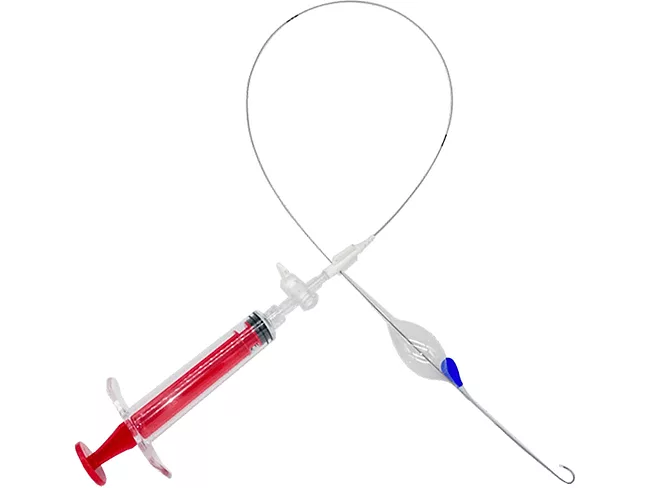
Front Line Medical Technologies Inc. recently received CE mark for its Cobra-OS, the smallest REBOA (resuscitative endovascular balloon occlusion of the aorta) device for use in emergency situations on the market. The company believes that Cobra-OS could help save the lives of patients during traumatic bleeding situations as it could buy valuable time until definitive care can be provided.
Owlstone Medical Ltd. received $6.5 million in funding from the Bill & Melinda Gates Foundation which will go towards expanding its Breath Biopsy platform as well as developing breath-based diagnostic tests to identify breath biomarkers for tuberculosis and HIV.
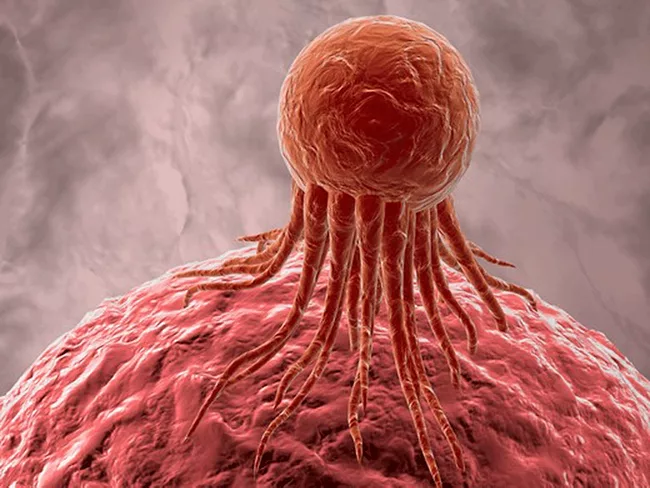
Researchers have developed and validated a new technique that allows them to measure the lipid compounds in live cancer cells, one by one, according to a study published in the journal Analytical Chemistry. The new method paves the way for analyzing cells in greater detail to better understand infection, immunity and other phenomena, and could lead to the development of new, more targeted treatments.
Neurovalens Ltd recently received U.S. FDA clearance for its Modius Stress device, a neurostimulator that treats people suffering from generalized anxiety disorder (GAD). It also closed a £2.1 million (US$2.65 million) funding round and is planning to raise up to $50 million in a series B fundraising round to be launched later this year.