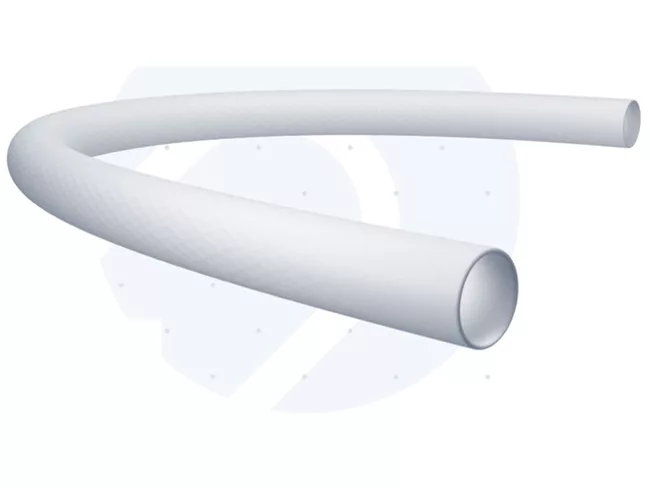
One-year data from Xeltis AG’s first-in-human Axess vascular conduit trial showed outstanding results in patients with end stage renal disease who were deemed unsuitable for arteriovenous (AV) fistula creation. The results, presented at the VEITHsymposium in New York, showed 100% secondary patency, 78% primary assisted patency and no infections were observed in data from 20 patients implanted with the Axess conduit.
Gilde Healthcare Partners BV finally closed its Venture & Growth VI fund after raising €740 million (US$803 million) in commitments. The venture capital firm added €140 million to the €600 million unveiled earlier in the year due to strong interest from institutional investors.
Senior leaders and investors in the health care sector expect mergers and acquisitions (M&A) activity to continue to pick up next year but this will be corporate led rather than private equity, according to a report by global investment bank Jefferies.
Siemens Healthineers AG appears to be committed to its Diagnostics business after Jochen Schmitz, CFO, pushed back at rumors speculating that the German company was looking at options for the underperforming segment, including a sale.
Senior leaders and investors in the health care sector expect mergers and acquisitions (M&A) activity to continue to pick up next year but this will be corporate led rather than private equity, according to a report by global investment bank Jefferies. At the same time, many executives remained concerned about the lack of funding in the sector as it was identified as the number one threat.
Researchers have for the first time used human neural stem cells to print 3D brain tissues that mimic the architecture of the brain’s outer layer, the cerebral cortex. This breakthrough technique, developed by a team from the U.K.’s University of Oxford, could one day be used to provide tailored repairs to the millions of people who suffer from severe brain injuries, for which there is no effective treatment.
The funding environment continues to be challenging for companies in the health care sector, and even more so for early-stage med-tech companies, delegates heard at the LSX Investival Showcase in London. Med-tech companies were told that they had to be lean, constantly work on building relationships with investors and not to give up because there is money out there for innovative technologies that can save people’s lives.
The U.S. FDA granted Roche Holding AG breakthrough device designation for its Elecsys Neurofilament Light Chain test for multiple sclerosis. The Elecsys NfL test can aid in the detection of disease activity in adults, 18-55 years old, with relapsing-remitting multiple sclerosis or secondary progressive multiple sclerosis. It also provides critical information for managing the disease.
Recor Medical Inc. finally received U.S. FDA approval for its Paradise ultrasound renal denervation (RDN) system for the treatment of hypertension after more than ten years of research and clinical trials. Paradise is the first RDN system to reach the U.S. market, and its approval is good news for the technology after years of disappointment in the data from trials and concerns over the efficacy of RDN devices.
The acquisition of Icad Inc.’s brachytherapy business by Elekta AB takes the company a step closer to achieving its goal of providing hope to the millions of people dealing with cancer, John Lapré, president of Elekta’s Brachy and Neuro Solutions unit, told BioWorld. Elekta paid approximately $5.5 million for Icad’s subsidiary Xoft. In addition, most of Xoft’s staff and its main facility in San José, Calif., was transferred to the company.