After a decade of research, the NIH 4D Nucleome program on July 23 delivered a wealth of new insights into how spatial changes in chromatin structure and DNA methylation regulate gene expression in health and disease. In a collection of eight papers published in Science and Science Advances, researchers describe how they have applied single-cell level multi-omics data and tools and techniques developed in the first part of the 4D Nucleome program to track changes in the noncoding part of the genome that are involved in heart disease, Alzheimer’s disease, brain aging, retinal health and immune cell development.
After a decade of research, the NIH 4D Nucleome program on July 23 delivered a wealth of new insights into how spatial changes in chromatin structure and DNA methylation regulate gene expression in health and disease. In a collection of eight papers published in Science and Science Advances, researchers describe how they have applied single-cell level multi-omics data and tools and techniques developed in the first part of the 4D Nucleome program to track changes in the noncoding part of the genome that are involved in heart disease, Alzheimer’s disease, brain aging, retinal health and immune cell development.
The EMA’s 2025 annual report highlights the pressure it is under to streamline and simplify assessment processes, and the expanded – and explicit – role the agency now has in boosting the competitive position of the EU in the development and manufacturing of drugs.
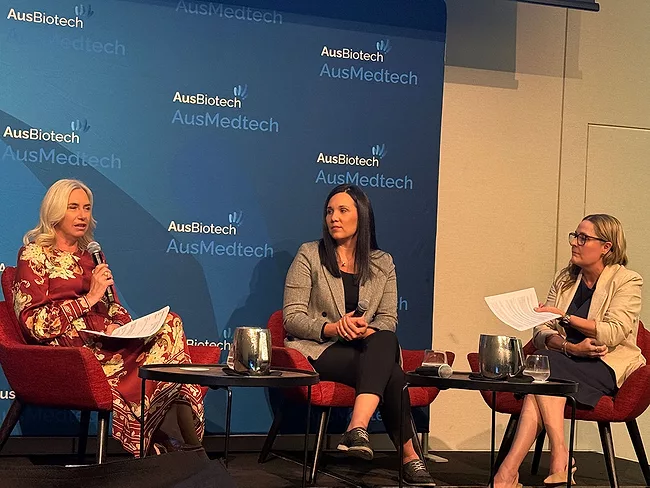
Artificial intelligence, remote monitoring and need-based innovation are beginning to reshape Australia’s medtech sector’s devices, as well as the way health care itself is delivered, according to speakers at the 2026 Ausmedtech conference in Perth May 19-20.
Artificial intelligence, remote monitoring and need-based innovation are beginning to reshape Australia’s medtech sector’s devices, as well as the way health care itself is delivered, according to speakers at the 2026 Ausmedtech conference in Perth May 19-20.
Artificial intelligence tools are springing up at multiple points along drug discovery and development, but despite the hype, as yet there is minimal return on investment (ROI). “I would say a lot of companies sort of get this big excitement about AI, but then when you look at how much ROI they get, it’s actually very little. And that’s because the workflow and the process, end-to-end, isn’t mapped to really understand where AI can truly make an impact,” said Laura Matz, chief science and technology officer at Merck KGaA.
Artificial intelligence tools are springing up at multiple points along drug discovery and development, but despite the hype, as yet there is minimal return on investment (ROI). “I would say a lot of companies sort of get this big excitement about AI, but then when you look at how much ROI they get, it’s actually very little. And that’s because the workflow and the process, end-to-end, isn’t mapped to really understand where AI can truly make an impact,” said Laura Matz, chief science and technology officer at Merck KGaA.
Eli Lilly and Co. is deepening its investment in artificial intelligence-driven drug discovery through a multibillion-dollar expansion of its collaboration with Hong-Kong listed Insilico Medicine Inc. in a move that could broaden its reach into next-generation metabolic therapies. Under the deal terms, Insilico is eligible to receive $115 million up front, plus development, regulatory, and commercial milestone payments worth $2.75 billion, in addition to sales-based royalties. In exchange, Lilly gains exclusive global rights to develop and commercialize multiple candidates generated using Insilico’s AI platform, including preclinical oral therapies.
Eli Lilly and Co. is deepening its investment in artificial intelligence-driven drug discovery through a multibillion-dollar expansion of its collaboration with Hong-Kong listed Insilico Medicine Inc. in a move that could broaden its reach into next-generation metabolic therapies.
As AI continues to storm into global life, biopharma companies are figuring out ways to incorporate it into their operations, all with the goal of bringing better therapies to patients faster. At Pharma USA, a Reuters Events meeting in Philadelphia March 16-17, numerous AI companies presented their offerings to attendees, driving interest and partnerships.