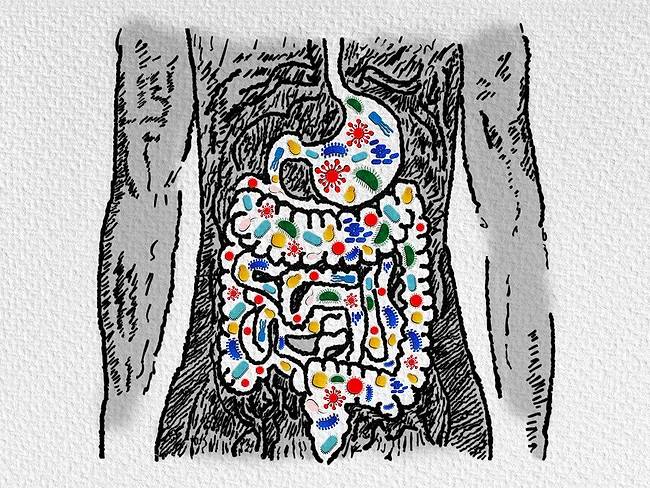
Cancer researchers are increasingly turning to the microbiome to understand why some patients respond well to treatment while others face severe complications. Gut microbial communities shift during intensive therapies such as bone marrow transplantation, and those changes influence infection risk, immune recovery and long‑term survival. New advances in microbial sequencing and engineering redefine this community as a measurable clinical parameter that can be monitored, modeled, and even therapeutically reshaped to improve outcomes in oncology and other conditions.
While the emergence of immune checkpoint inhibitor (ICI) therapy in recent years has significantly improved cancer outcomes, some patients have been unable to experience the full therapeutic benefits of ICIs due to significant gastrointestinal inflammation linked to treatment. Seres Therapeutics Inc. is looking to change that with its live biotherapeutic candidate, SER-155, offering impressive findings from phase I data in ICI-related enterocolitis, or irEC.
Cancer researchers are increasingly turning to the microbiome to understand why some patients respond well to treatment while others face severe complications. Gut microbial communities shift during intensive therapies such as bone marrow transplantation, and those changes influence infection risk, immune recovery and long‑term survival. New advances in microbial sequencing and engineering redefine this community as a measurable clinical parameter that can be monitored, modeled, and even therapeutically reshaped to improve outcomes in oncology and other conditions.
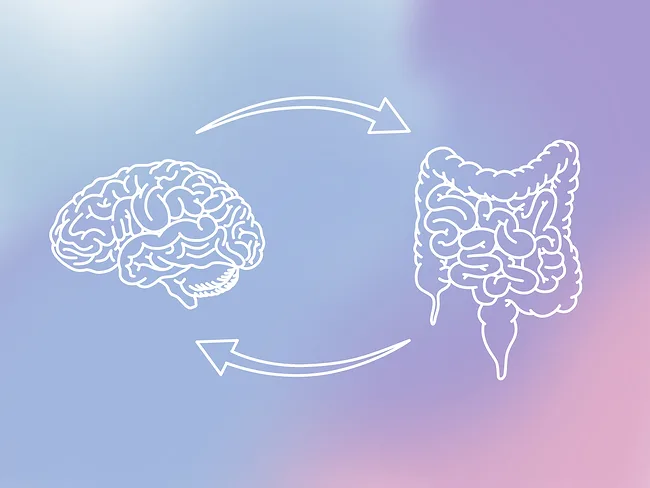
The gut microbiota may be altered in people with depression as a result of treatment. These microorganisms reorganize differently in individuals who respond to therapy. In a multiomics study of antidepressant-naive patients presented at the 2026 World Congress of Neuropsychopharmacology (CINP), scientists from National Taiwan University found that patients who improved after antidepressant treatment maintained a more balanced and functional microbial ecosystem, recovered beneficial metabolites, and displayed blood-based biological signals that aligned with these changes.
The gut microbiota may be altered in people with depression as a result of treatment. These microorganisms reorganize differently in individuals who respond to therapy. In a multiomics study of antidepressant-naive patients presented at the 2026 World Congress of Neuropsychopharmacology (CINP), scientists from National Taiwan University found that patients who improved after antidepressant treatment maintained a more balanced and functional microbial ecosystem, recovered beneficial metabolites, and displayed blood-based biological signals that aligned with these changes.
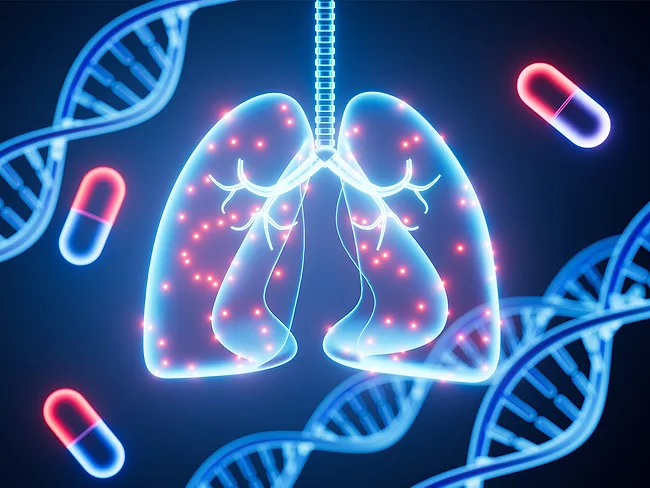
The microbiome and a frontline innate antimicrobial sensor, Toll-like receptor 5 (TLR5), play an essential role in the development of idiopathic pulmonary fibrosis (IPF). A scientific collaboration led by researchers at the National Institute of Environmental Health Sciences has revealed how TLR5 protects against fibrosis through its ability to modulate the lung microbiome. Their study also shows that activating TLR5 protects against fibrosis and corrects pulmonary dysbiosis.
Microbiome specialist Enterobiotix Ltd. has raised £19 million (US$25.7 million) to fund phase IIb development of its lead program EBX-102-02 in the treatment of irritable bowel syndrome with constipation (IBS-C).
Chemotherapy is often seen solely as a tumor-targeting treatment, yet new evidence reveals a paradox: the tissue injury it causes can reprogram the body’s defenses, influencing the risk of metastasis. Researchers from the University of Lausanne and collaborators reported that chemotherapy reshapes the gut-immune axis by inducing microbiota-derived indole-3-propionic acid, which reprograms myelopoiesis to curb monocyte-driven immunosuppression and metastasis in colorectal cancer.