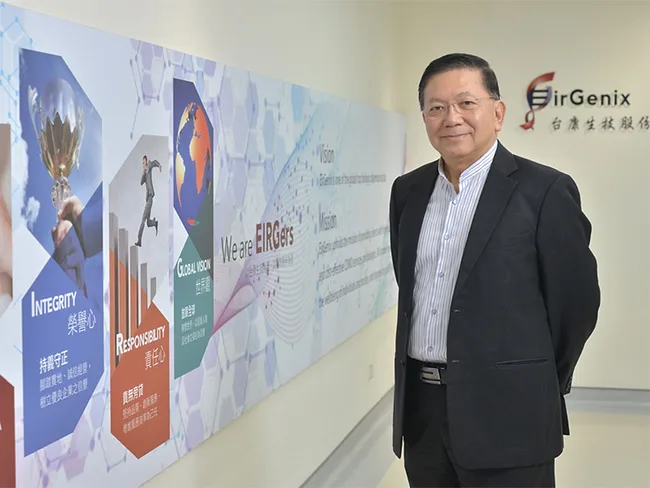
Taiwan’s biotechnology sector was built around domestic health needs, including vaccines and drug manufacturing, but it is increasingly looking outward – to international partnerships, licensing, clinical development and a bigger role in the global biomedical ecosystem.
Taiwan’s biotechnology sector was built around domestic health needs, including vaccines and drug manufacturing, but it is increasingly looking outward – to international partnerships, licensing, clinical development and a bigger role in the global biomedical ecosystem.
Three decades of trial-and-error, and the resulting safety data, in the oligonucleotide-based therapeutic space have paved way for the present-day innovations and the promise of “programmable,” precision medicine for patients, speakers at Bio Korea 2026 said April 28.
Three decades of trial-and-error, and the resulting safety data, in the oligonucleotide-based therapeutic space have paved way for the present-day innovations and the promise of “programmable,” precision medicine for patients, speakers at Bio Korea 2026 said April 28.
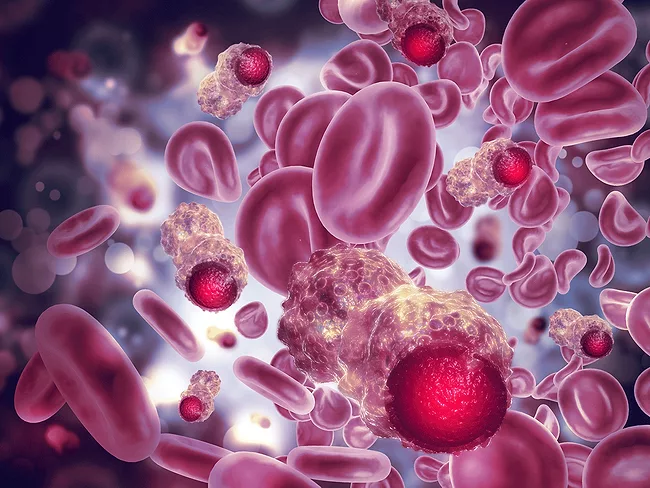
Hematopoietic stem cell research over the past century has shown that leukemia may be driven by an invisible hand of inflammation. The bone marrow and inflammation, then, may hold the keys to preventing blood cancers, according to John E. Dick’s plenary session at the 2026 Korean Society of Hematology International Conference, held March 26, 2026.
Hematopoietic stem cell research over the past century has shown that leukemia may be driven by an invisible hand of inflammation. The bone marrow and inflammation, then, may hold the keys to preventing blood cancers, according to John E. Dick’s plenary session at the 2026 Korean Society of Hematology International Conference, held March 26, 2026.
Hematopoietic stem cell (HSC) research over the past century has shown that leukemia may be driven by an invisible hand of inflammation. The bone marrow and inflammation, then, may hold the keys to preventing blood cancers, according to John E. Dick’s plenary session at the 2026 Korean Society of Hematology International Conference (ICKSH 2026), held March 26, 2026. Work in Dick’s lab has found acute myeloid leukemia (AML) HSCs that harbor preleukemic mutations long before any disease diagnosis. These insights have enabled predictive models that could identify individuals at elevated AML risk years before the onset of outright disease, opening the door to new prevention strategies.
There is broad agreement that psychiatric diagnoses in their current form are not reflective of any underlying biology, and that this is one of the things hampering psychiatric drug development. “We are still fully reliant on descriptive diagnoses that yield heterogeneous patient cohorts,” Steve Hyman told the audience at the European Congress of Neuropsychopharmacology (ECNP) Roadmap Meeting on Precision Psychiatry in Amsterdam in January.
A precision medicine diagnostic system developed by Diag-Nose Medical Pty. Ltd. could potentially transform the management of chronic respiratory diseases. Co-founders Eldin Rostrom, David Yen, Brian Wang and Josie Xu set out to explore why patients with similar respiratory symptoms respond so differently to treatment.
Precision medicine is becoming a reality in Asia Pacific as more targeted therapies are being developed that are tailored to individual patients, offering a potential cure for disease. But is Asia Pacific ready to harness this transformation, and if not, what are the hurdles that need to be cleared?