A major challenge in tissue engineering is not only achieving the correct cellular organization of an engineered tissue, but also expanding it to a clinically useful size after implantation. Researchers from the Wyss Institute at Harvard University have developed a synthetic biology platform that genetically programs tissues to grow large organ implants on demand. Building on a 2017 study suggesting engineered liver tissues could respond to regenerative signals released after injury, the researchers set out to identify and harness those cues.
“If we could figure out what those signals were, we could synthetically drive these factors locally in an implant to control its growth ourselves,” first author Amy Stoddard told BioWorld. Stoddard is a postdoctoral researcher at the Wyss Institute.
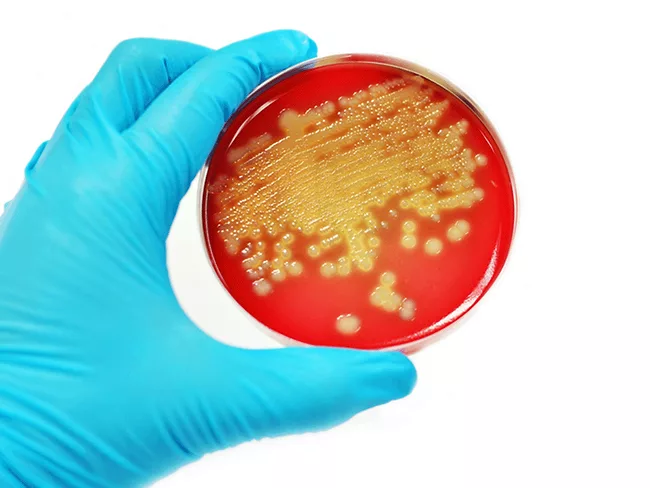
CARB-X is awarding $1.2 million to the Andrew G. Myers research group at Harvard University to develop enhanced antibiotics that target multidrug-resistant gram-negative bacterial pathogens, including Escherichia coli and Klebsiella pneumoniae, to treat urinary tract infections, pneumonia and bloodstream infections.
The use of DNA scaffolds could mark a turning point in HIV vaccine design. Scientists at Scripps Research and the Massachusetts Institute of Technology (MIT) have created a new vaccine platform based on DNA origami, a material that the immune system does not recognize as a threat, avoiding unwanted responses.
Two simultaneous but independent studies published in Science identified, by introducing mutants into its genome, the essential and nonessential genes of Plasmodium knowlesi, one of the malaria parasites related to the dreaded Plasmodium vivax. Their results could help in the development and prioritization of antimalarial strategies.
In the 1970s, scientists from several countries proposed to reconstruct, one by one, all the neurons in the brain as they appear under an electron microscope. They started with a small worm. Caenorhabditis elegans has only 302 neurons. It took 16 years. How much time would be required to repeat this arduous task for the 100 billion neurons in the human brain?
In the 1970s, scientists from several countries proposed to reconstruct, one by one, all the neurons in the brain as they appear under an electron microscope. They started with a small worm. Caenorhabditis elegans has only 302 neurons. It took 16 years. How much time would be required to repeat this arduous task for the 100 billion neurons in the human brain?
In the 1970s, scientists from several countries proposed to reconstruct, one by one, all the neurons in the brain as they appear under an electron microscope. They started with a small worm. Caenorhabditis elegans has only 302 neurons. It took 16 years. How much time would be required to repeat this arduous task for the 100 billion neurons in the human brain?
Both casein kinase 1α (CK1α) and zinc finger protein Helios (IKZF2) are among the targets most recently evaluated for the treatment of acute myeloid leukemia (AML). A growing number of molecules against these targets acting as degraders or inhibitors are actively being investigated.
A new approach against non-small-cell lung cancer (NSCLC) has combined immunotherapy with molecularly targeted therapy to activate the immune response and inhibit oncogenic pathways, which prevented tumor progression and eliminated cancer cells. Brigham and Women’s Hospital scientists have developed nanoparticles loaded with antibody conjugates that could deliver large amounts of treatment to the tumor tissue. This new strategy could improve the results of conventional immunotherapy in these patients and reduce toxicity of existing treatments.